Your furnace is 15-20+ years old
Gas furnaces outlast most HVAC equipment, and a well-maintained one can run past twenty. But parts availability drops off, efficiency falls behind, and the failures start clustering.
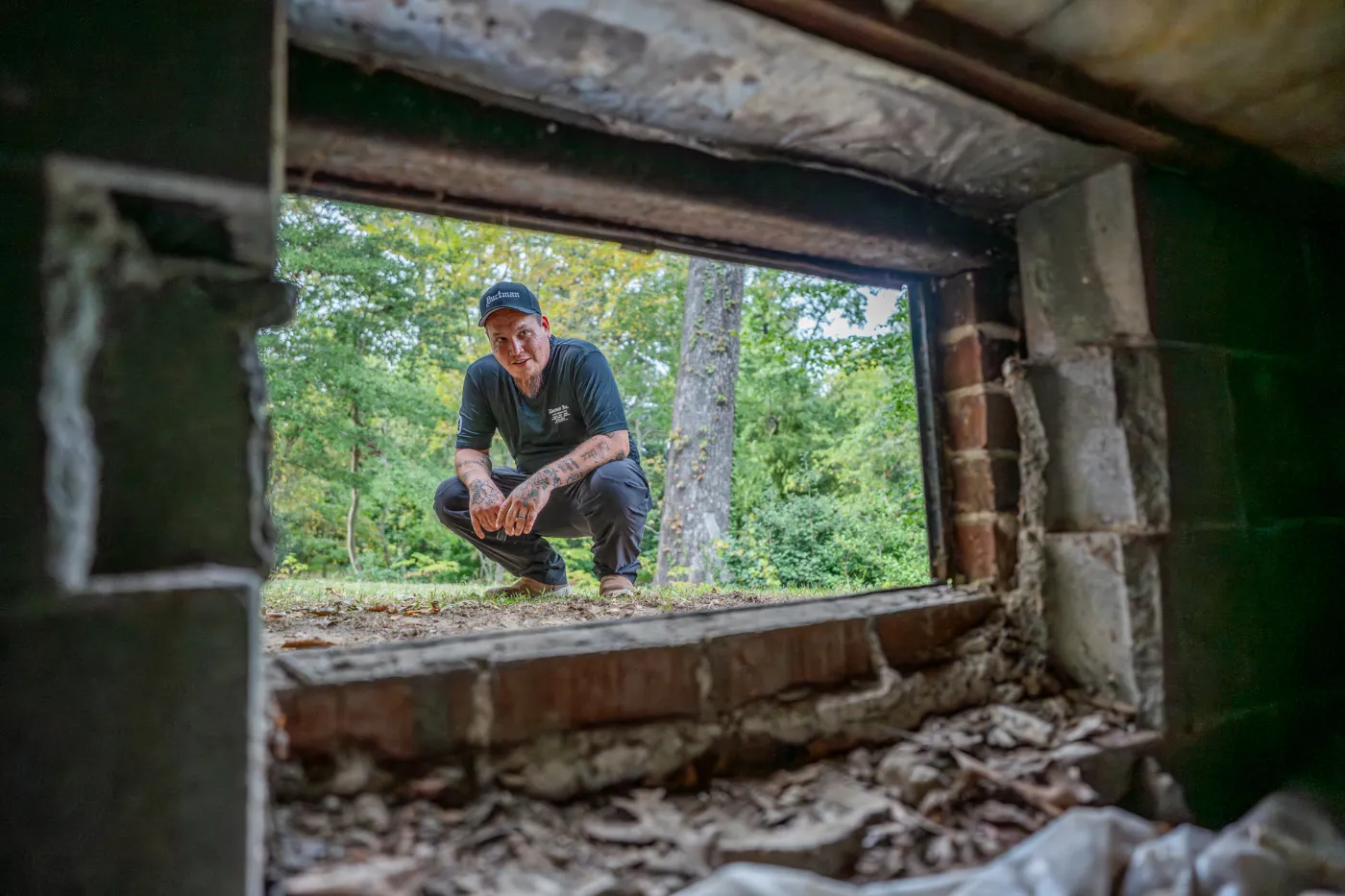
New Furnace Installation & Replacement
We handle the gas lines, the venting, and the installation ourselves under our own Master Gas Fitter license. Every furnace is sized for your home with a load calculation and installed to code.
Before you replace anything
We find out what failed before we quote anything. Sometimes that’s a repair that buys you several more seasons. Sometimes it’s a duct problem no new equipment would have solved. And sometimes the answer is yes, it’s time, with a straight explanation of why.
One exception worth naming: If someone told you your heat exchanger is cracked and you’re being pushed toward a replacement, ask to see it. A cracked heat exchanger is a real safety issue and a legitimate reason to replace a furnace.
Not sure it’s dead? Start with furnace repair
Here are some common signs, what they usually mean, and when it’s time to replace.
Gas furnaces outlast most HVAC equipment, and a well-maintained one can run past twenty. But parts availability drops off, efficiency falls behind, and the failures start clustering.
This one ends the conversation. A cracked heat exchanger can leak combustion gases into your air, and it isn’t repairable. We’ll show you the crack before we recommend anything.
Once ignition problems become a pattern rather than a one-off repair, you’re maintaining a system that’s telling you something.
Streaking around the burner area, corrosion on the flue, or a persistent odor when the heat runs all point to combustion or venting problems that need looking at now, not in the spring.
An older furnace can run at 60-70% efficiency, meaning a third of what you’re paying for goes up the flue. Newer equipment holds 80-96%.
Replacement Path
Often yes. If you have gas service, a working duct system, and cold-sensitive comfort needs, a new gas furnace is straightforward and does the job well. But it’s worth a look at the alternatives before you commit, especially if your air conditioner is also aging, because then you’re replacing two systems and there’s a version where you replace one. We’ll walk you through the actual comparison for your house instead of quoting whatever you already had.
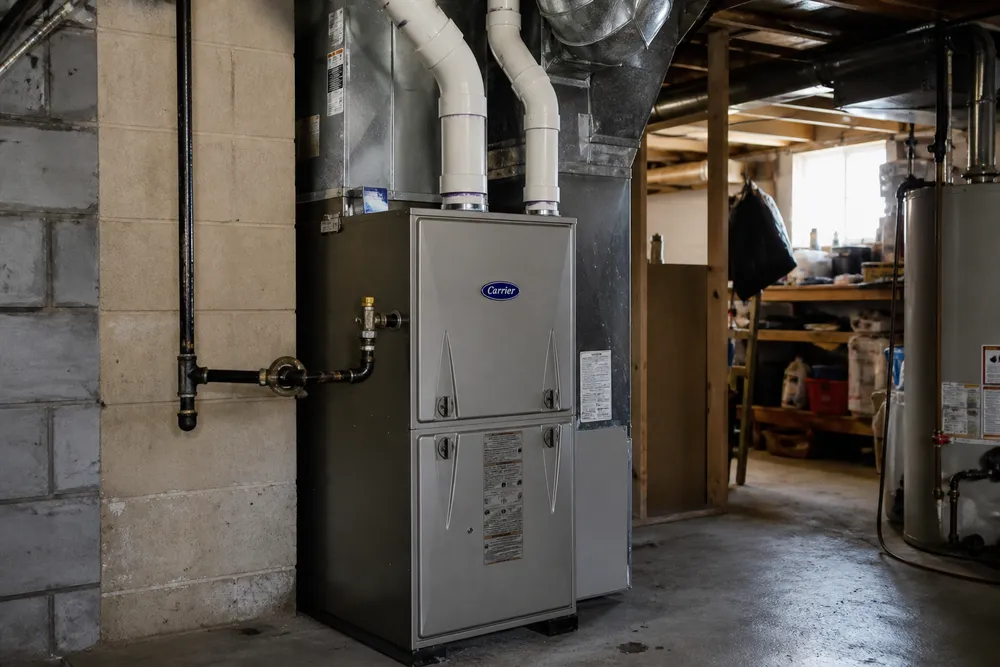
If you have gas
Straightforward replacement, lower up-front cost, strong heat on the coldest nights. The right answer when your AC is newer and your gas service is already in place.
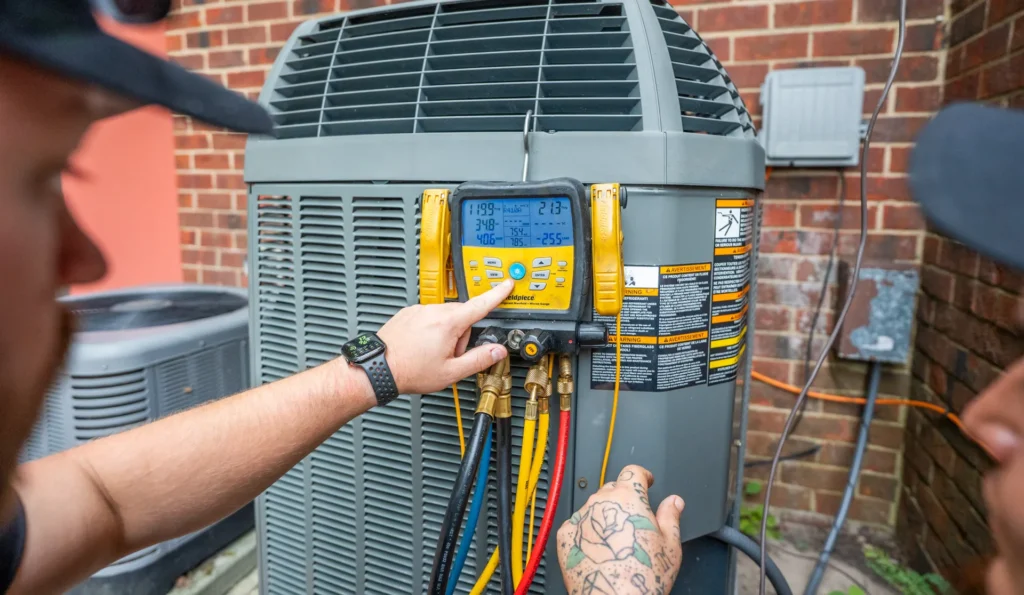
If your AC is aging too
One system that heats and cools, or a heat pump paired with a gas furnace that takes over when it gets cold. Worth pricing if your AC is aging too.
What We Install
We install and service every major brand and we’ve had our hands inside all of them for two decades. That matters more than which logo is on the cabinet. We’re not a franchise working off one manufacturer’s quota. Our recommendation comes from what actually holds up in this climate.
80% AFUE equipment, venting through an existing flue. The straightforward replacement when your current setup is working and you want it working better.
90%+ AFUE. More heat out of the same gas, but they vent differently and need a condensate drain, so the install is a bigger job than a like-for-like swap.
When the AC is aging alongside the furnace, replacing both at once costs less than two separate jobs and gets you a properly matched system.
Adding gas heat to a home on electric resistance, or heating an addition. We’ll evaluate gas service, venting routes, and ductwork before recommending anything.
Our Brands





















































Load calculation & sizing
A lot of new furnaces are sized by reading the BTU rating off the old one and ordering the same thing. That’s a guess, and it inherits whatever was wrong with the original install.
We run a load calculation instead: square footage, insulation, windows, ductwork, how your house is actually built. Furnaces get oversized more often than any other equipment we replace, because bigger sounds safer. What it actually does is short-cycle: the furnace fires, satisfies the thermostat in a few minutes, shuts off, and repeats all night. You get hot-then-cold rooms, more wear on the ignition components, and a heating bill that doesn’t reflect the efficiency you paid for.
And if your ductwork is the real problem, we’ll say so. A new system on bad ducts is money spent on a symptom.
Our Process
Every replacement includes all of it. No line items that show up later as extras.
Before we order anything
Not the BTU rating on your old furnace. Square footage, insulation, windows, ductwork.
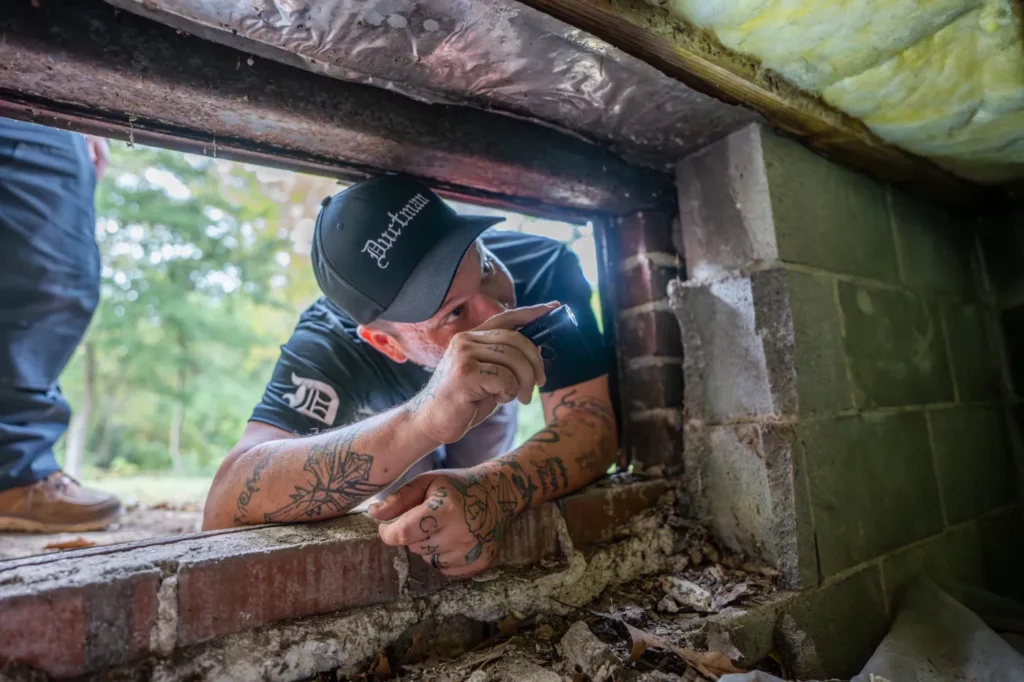
Line sizing, flue condition, combustion air, and whether a high-efficiency unit can vent where you’d want it. This is where a like-for-like swap turns into a bigger job, and you’ll know before we order anything.
The day it goes in
The old furnace leaves with us and gets disposed of properly. Nothing sitting in the garage waiting on a second trip.
New unit set and connected, gas connections leak-tested, venting confirmed, and combustion checked before we call it done.
Before we pull out
Filed for you. Most manufacturers require it, and most people never get around to it.
How to run it, what the filter schedule should be, what to listen for, and your questions answered before we leave.
AFUE, plainly
AFUE is the percentage of the gas you buy that becomes heat in your house. An 80% furnace sends the other 20% up the flue. A 96% furnace sends just 4%. Higher costs more up front, and in this case it also costs more to install: condensing furnaces vent through PVC rather than the existing flue and need a condensate drain, so it’s rarely a straight swap.
Whether that’s worth it depends on how much you actually spend on gas. In a mild climate with a short heating season, the annual savings on the jump from 80% to 96% can be modest enough that the payback runs longer than people expect. We’ll do that math with your actual bills rather than a brochure’s assumptions, and tell you where the money does the most good. Sometimes that’s a better furnace. Sometimes it’s a mid-tier furnace and sealing the ducts.
Testimonials
Mike was very professional and thorough throughout the entire process. Haven’t felt with any HVAC service before Ductman and will never choose anything else now. Thank you for a great experience.

 Robert Clark
 Google review
Everyone was respectful, a pleasure to work with, and they got the job done in a timely fashion with a great quality of work. My house heats even better now than before. 10/10 I absolutely recommend them.
 James Maurmeier
Google review
Furnace went out on what seems like the coldest day so far this year. Chris answered our call and promptly sent out a technician to review the issue and provide an estimate. They were able to order and install the part quickly for a reasonable price. I would definitely call them again if we had another HVAC issue.
 Charisse
Google review
Our Work
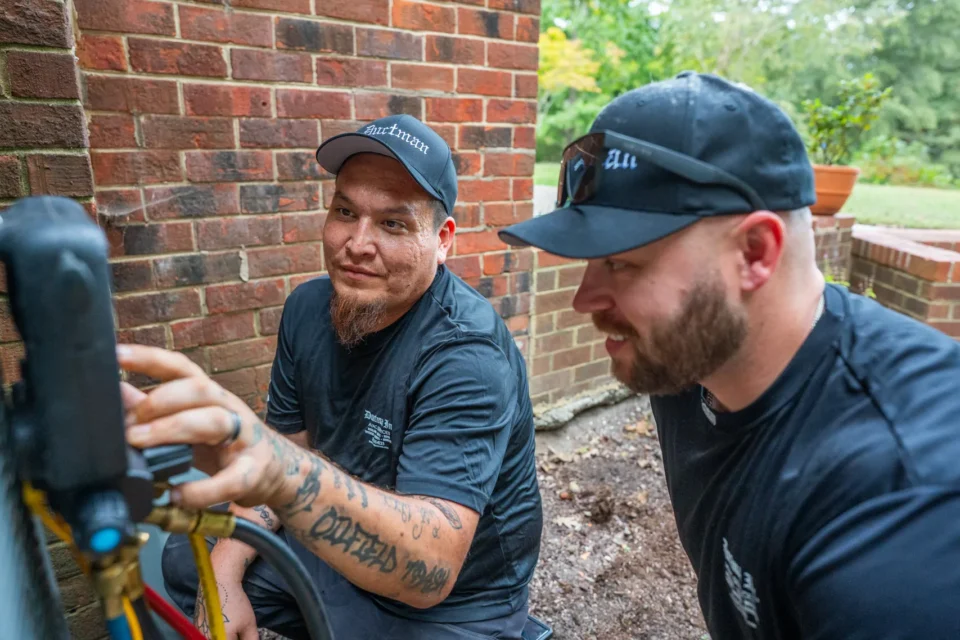
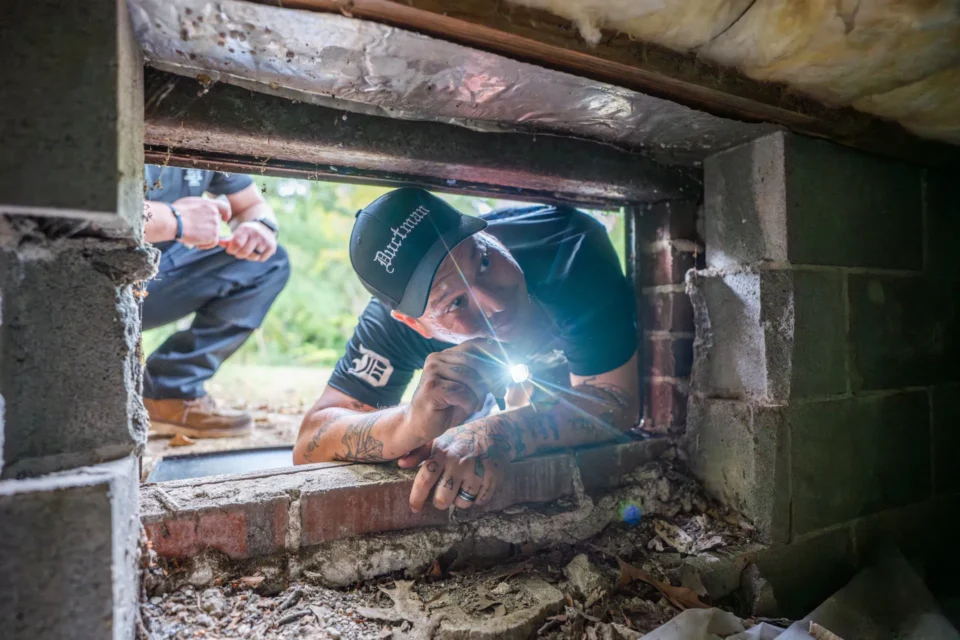
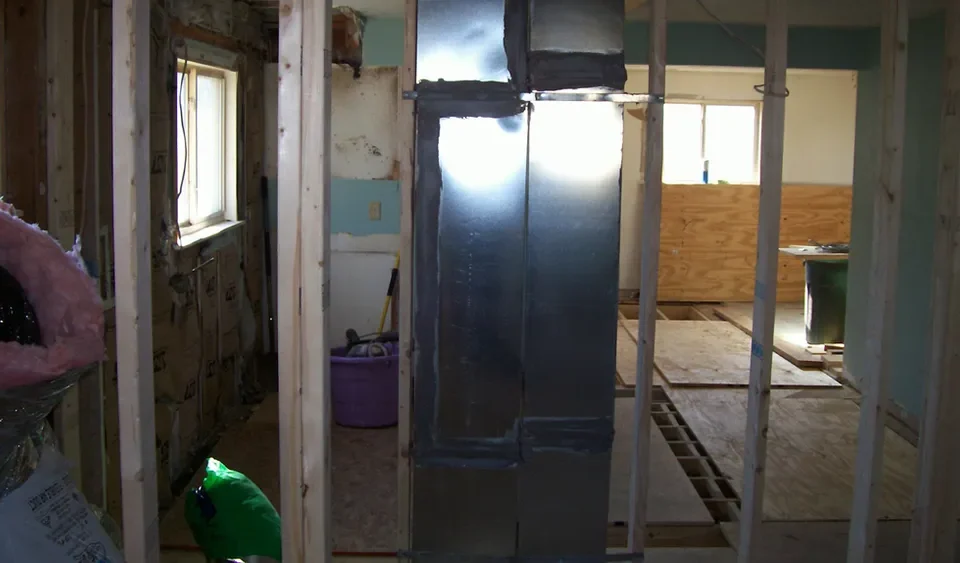
A new system is rarely a purchase anyone planned for. Financing is available, and we offer a cash discount if you’d rather not finance. We’ll lay out both so you can see the real difference.
FAQ
It depends on the size your home actually needs, the efficiency tier, whether your venting and gas line can stay as-is, and the condition of your ductwork. High-efficiency units cost more to install, not just to buy, because the venting changes. We’ll give you a real figure after we’ve seen the house.
We find out what failed before we quote anything. One sign on its own isn’t a verdict; two or three together usually is: a furnace 15-20+ years old, ignition problems that have become a pattern, soot, rust or an odor when the heat runs, or gas bills that climb while the house gets colder. A cracked heat exchanger ends the conversation.
It depends on how much you actually spend on gas. A 96% furnace wastes less, but condensing furnaces vent through PVC and need a condensate drain, so the install costs more, and in a mild climate the payback can run longer than people expect. We’ll do that math with your actual bills.
Yes. A new gas furnace is the right answer when your AC is newer and your gas service is already in place. When the AC is aging alongside the furnace, replacing both at once costs less than two separate jobs and gets you a properly matched system.
We do it ourselves. The Master Gas Fitter license is ours, the gas connections are ours, and the venting is ours.
Yes. A cracked heat exchanger can leak combustion gases into your air, and it isn’t repairable. If someone tells you yours is cracked, ask to see it. We’ll show you the crack before we recommend anything.
Yes. Financing is available, and we offer a cash discount if you’d rather not finance. We’ll lay out both so you can see the real difference.
Get Started
Whether that turns out to be a repair, a new system, or a duct problem nobody’s mentioned yet, you’ll get a straight answer and your options in plain English.