Exhaust hoods
Grease hoods over cooking lines and condensate hoods over dishwashers and ovens, sized to the equipment beneath them.
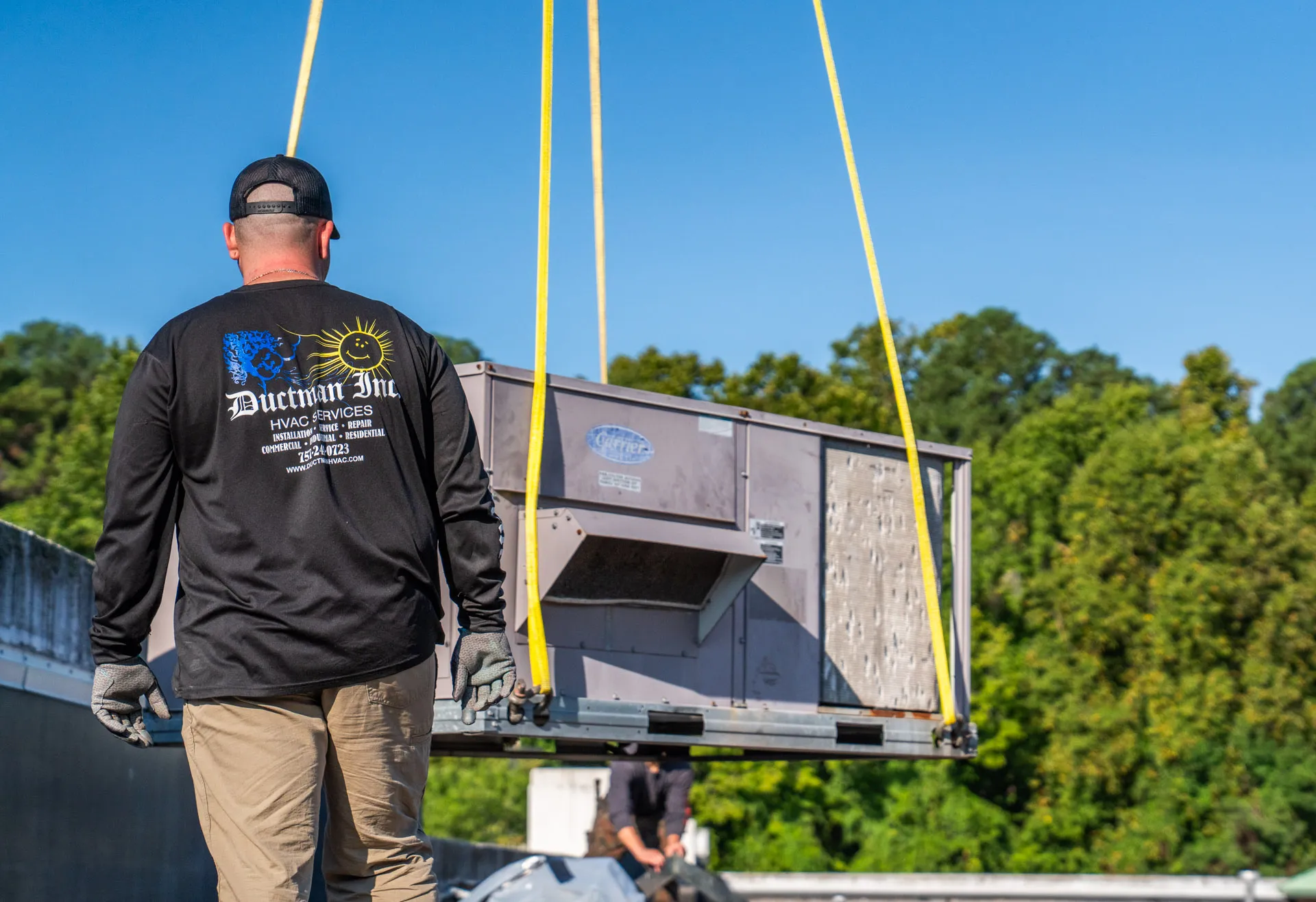
Commercial Kitchen Hoods
A hood is only as good as the system around it: the exhaust fan pulling the air out, the make-up air bringing it back, and the gas line feeding the cooking line beneath it. We install all of it as one system, coordinate it with the other trades and inspectors, and balance it so the kitchen actually clears.
Before you replace anything
When a kitchen fills with smoke, the hood gets blamed first. Often the hood is fine. The exhaust fan is worn or slipping a belt, the make-up air unit isn’t running, or the kitchen is starved for air because nobody accounted for how much the hood removes.
We look at the whole kitchen exhaust system before recommending a new hood: fan performance, make-up air, controls, and how the hood relates to the cooking line under it. Sometimes a fan repair or a make-up air fix solves it for a fraction of the cost of new equipment.
Need service on existing equipment? Commercial HVAC Service & Maintenance
What we install
Grease hoods over cooking lines and condensate hoods over dishwashers and ovens, sized to the equipment beneath them.
Duct from the hood to the fan, routed and installed for the application.
Rooftop and wall exhaust fans, replaced or installed new, matched to the hood.
Tempered or untempered make-up air that replaces what the hood removes.
Gas piping to the cooking line under our own Master Gas Fitter license.
Commercial Gas LinesHood, exhaust fan, and make-up air wired to run together, with coordination for fire suppression interlocks.
Project path
Kitchens change. A new menu adds a fryer, a new tenant brings a different cooking line, or a fan that’s run sixteen hours a day for a decade finally quits. Some of those need one component. Some need the whole system redesigned.
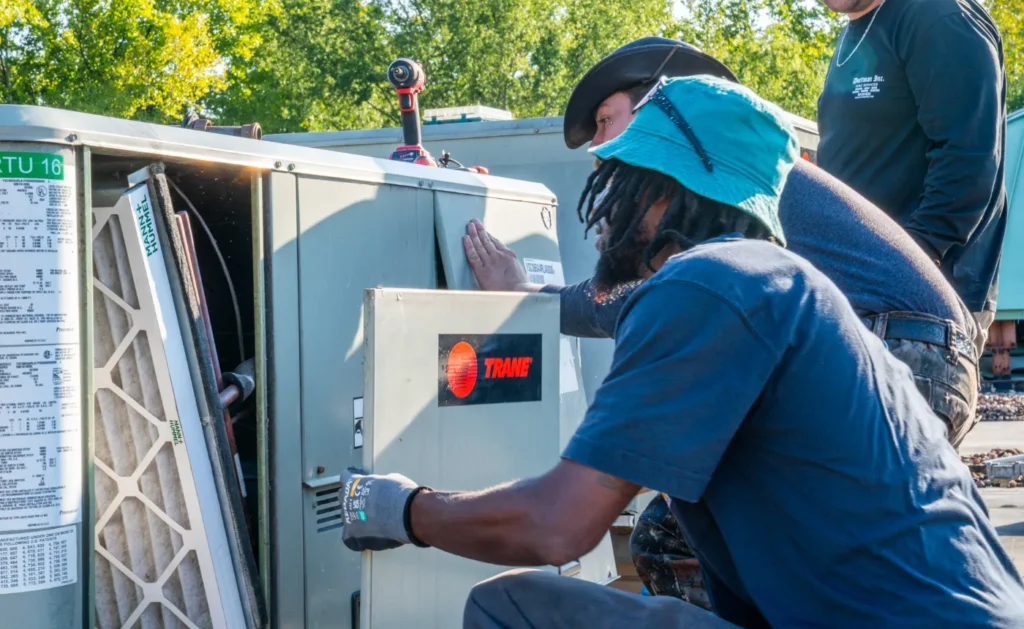
One piece has worn out
A new exhaust fan, a make-up air unit, added hood length, or corrected controls. The right answer when the system was designed properly and one piece has worn out or fallen behind.
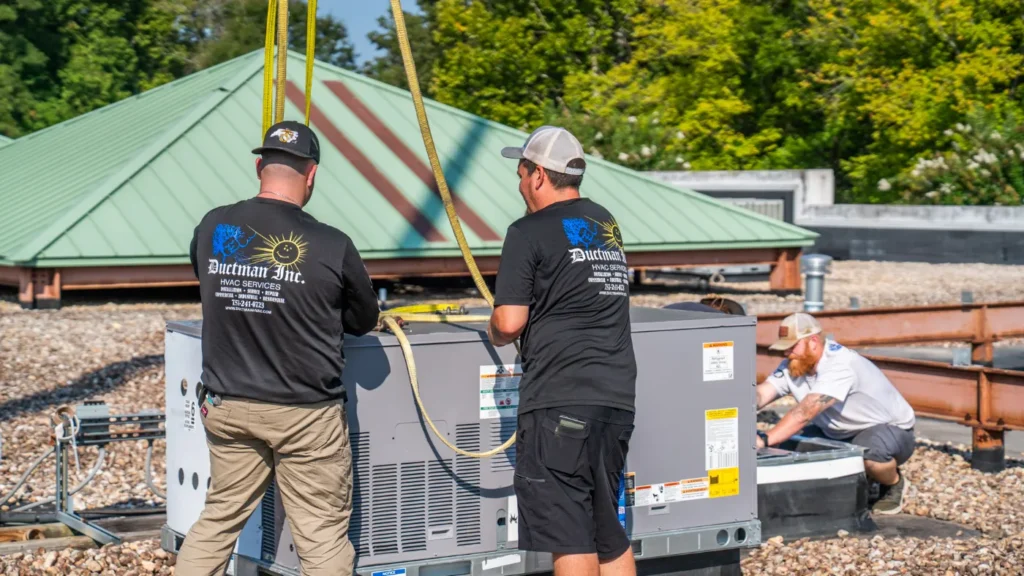
New or changed kitchen
New restaurants, concept changes, and kitchens whose cooking line has outgrown the hood. Hood, duct, fan, make-up air, gas, and controls designed and installed together.
What’s included
One contractor for the hood, the air, and the gas, instead of three subcontractors who each assume someone else handled the connection between them.
Hood length, exhaust airflow, and make-up air calculated for the cooking equipment actually going under it.
Permits filed and plans coordinated with the building department and other reviewers.
Hood hung and secured, exhaust duct routed to the fan, and penetrations made through the roof or wall.
Equipment set, connected, and wired so the system runs together.
Cooking line gas piping and connections under our Master Gas Fitter license.
Exhaust and make-up air measured and balanced, interlocks tested, and the system verified with the cooking line running.
How we coordinate
Most kitchen hood installers hang the hood, connect the fan, and leave the rest to the owner: the make-up air, the gas, the fire suppression interlock, and the inspections. That’s how openings get delayed: an inspector finds the make-up air wasn’t sized, the suppression contractor can’t tie in, or the gas line was never pressure-tested.
We treat the kitchen as one system and coordinate the pieces that connect to it: the general contractor, the fire suppression contractor, the gas utility, and the building and fire inspectors. We schedule our work in the order the inspections need it, and we’re there when it’s inspected.
We can’t promise what an inspector will say. We can make sure our part of the job is done the way it needs to be done before they arrive.
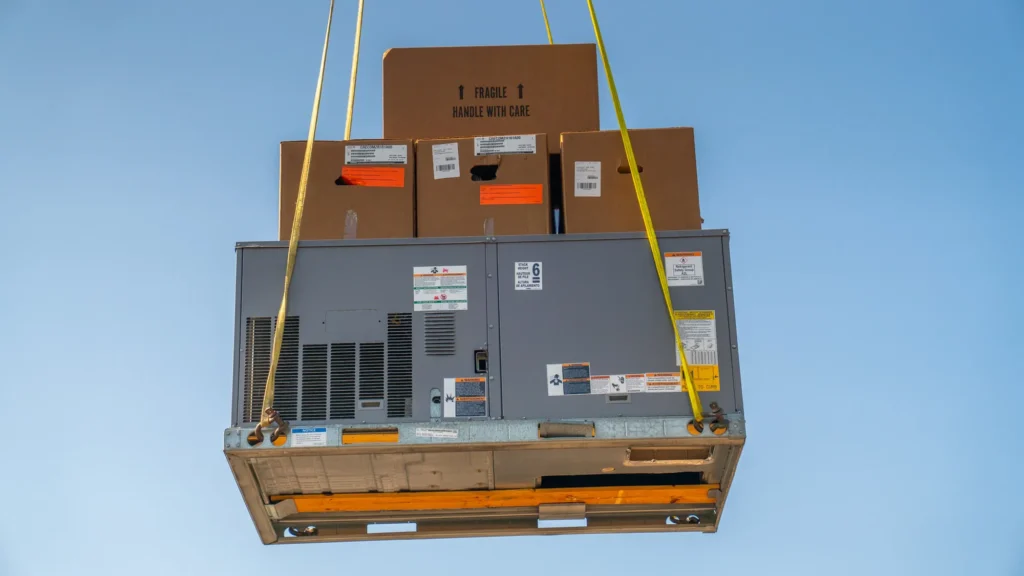
Our Process
Clear scope, no surprise charges, and work scheduled around your opening date or your service hours.
Before we install anything
Cooking line, existing hood, fan, make-up air, gas, roof access, and any plans or equipment schedules you have.
Hood, exhaust, and make-up air sized to the equipment, permits filed, and timing coordinated with the GC and other trades.
Installation
Hood, duct, exhaust fan, and make-up air set, connected, and secured.
Cooking line gas piping, pressure testing, and interlocks wired between the hood, fan, and make-up air.
Before the doors open
Exhaust and make-up air measured and balanced with the cooking line running, so the hood captures what it should.
On site for our portion of the inspections, with documentation for the owner and GC.
Make-up air, plainly
A commercial kitchen hood removes a large volume of air every minute it runs. That air has to be replaced from somewhere. If a make-up air system doesn’t bring it back, the building pulls it in however it can: through the back door, the drive-through window, and the dining room.
That’s why doors are hard to open or slam shut, why the dining room is drafty in winter and humid in summer, and why the rooftop units serving the dining room can never seem to keep up. It’s also why the hood stops capturing smoke well: it can’t pull air out of a room that’s already starved for it. And with gas appliances in the kitchen, a building under heavy negative pressure can affect how flues and burners draw, which is a safety concern, not just a comfort one.
The fix isn’t a bigger exhaust fan. It’s balancing what goes out with what comes back in.
Hood, exhaust, make-up air, and gas decisions shape the kitchen layout, the roof, and the inspection schedule. The earlier we see the plans and the equipment list, the fewer surprises there are before opening day.
Testimonials
Mike was very professional and thorough throughout the entire process. Haven’t felt with any HVAC service before Ductman and will never choose anything else now. Thank you for a great experience.

 Robert Clark
 Google review
Everyone was respectful, a pleasure to work with, and they got the job done in a timely fashion with a great quality of work. My house heats even better now than before. 10/10 I absolutely recommend them.
 James Maurmeier
Google review
Furnace went out on what seems like the coldest day so far this year. Chris answered our call and promptly sent out a technician to review the issue and provide an estimate. They were able to order and install the part quickly for a reasonable price. I would definitely call them again if we had another HVAC issue.
 Charisse
Google review
Our Work
FAQ
We coordinate with the fire suppression contractor so the hood, its interlocks, and the suppression system tie together, and we wire the hood, exhaust fan, and make-up air to run together.
Often the hood is fine. The exhaust fan is worn or slipping a belt, the make-up air unit isn’t running, or the kitchen is starved for air because nobody accounted for how much the hood removes.
A hood removes a large volume of air every minute it runs, and that air has to be replaced. Make-up air brings it back; without it the building pulls air in through doors and the dining room, and the hood stops capturing smoke well.
Yes. If the system was designed properly and one piece has worn out, we replace that piece, whether it’s the fan, the make-up air unit, the controls, or the hood length.
Yes. We file permits, coordinate plans with the building department, and are on site for our portion of the inspections.
We schedule the work around your service hours, including after close when the job allows it.
Yes. Cooking line gas piping and connections are done under our own Master Gas Fitter license, and pressure-tested.
Get Started
Tell us about the restaurant, the cooking line, or the opening date. We’ll survey the kitchen and put together a plan for the hood, the air, and the gas.