“Have the system serviced by a licensed contractor”
The most common HVAC line on a PICRA. A full service and performance check, documented on our letterhead with our license number. Often the entire request.
PICRA HVAC Repairs
When a home inspection flags the heating or cooling, someone has to diagnose it, fix what actually needs fixing, and put it in writing the buyer’s side will accept. We do all three as a licensed HVAC contractor, not a handyman, and we schedule around your closing date.
PICRA, plainly
In Hampton Roads, a PICRA (Property Inspection Contingency Removal Addendum) is how a buyer asks the seller to address items from the home inspection before closing. When the HVAC shows up on that list, the request usually reads something like “have the system evaluated and repaired by a licensed HVAC contractor, with receipts provided.”
That’s where we come in. We look at exactly what the inspector flagged, find out what’s actually going on, repair what needs repairing, and document it so the buyer’s side has what they asked for.
What the PICRA requires, who pays, and whether a credit makes more sense than a repair are decisions for the agents and the contract. We handle the HVAC part, and we’ll give everyone the information they need to make those calls.
Send us the report and the deadline. We’ll scope the HVAC items, keep you updated, and send the documentation straight to you or whoever you designate. One call, and the HVAC line on the PICRA is handled.
You didn’t plan on an HVAC repair in the middle of a move. We’ll tell you plainly what the inspector found, what it takes to fix, and whether it’s a repair or something bigger, before any work starts.
When your report recommends evaluation by a licensed HVAC contractor, refer a company that will actually evaluate it. We diagnose, repair what’s warranted, and tell the truth when the finding was minor.
Here’s what we see on PICRAs most often, and what it usually takes to resolve.
The most common HVAC line on a PICRA. A full service and performance check, documented on our letterhead with our license number. Often the entire request.
The inspector measured a temperature difference outside the expected range. Can be a dirty filter or coil, low refrigerant from a leak, or an airflow problem. We find which before anyone quotes a replacement.
A rusted pan, a clogged drain line, or water stains around the air handler. Usually a straightforward repair, and one buyers’ agents always want documented.
See AC RepairCrushed, disconnected, or uninsulated duct in the crawlspace or attic. Repaired, sealed, and photographed.
Ductwork RepairDryer or bathroom exhaust that never made it outside. A frequent inspection finding, and real ductwork, not a handyman fix.
Dryer, Bath, & Kitchen Exhaust VentingRepair Path
An inspection report that flags the HVAC can make a seller assume the worst. Most of the time, the finding is a repair: a service, a drain, a duct connection, a component near the end of its life. Resolving the specific item is faster and far less expensive than replacing equipment, and it’s usually exactly what the buyer asked for.
Sometimes the system is finished, and replacing it is the honest answer. When that’s the case, we’ll say so in writing, with the reasoning, which gives the agents what they need to decide between a replacement, a credit, or another path.
Most PICRA items
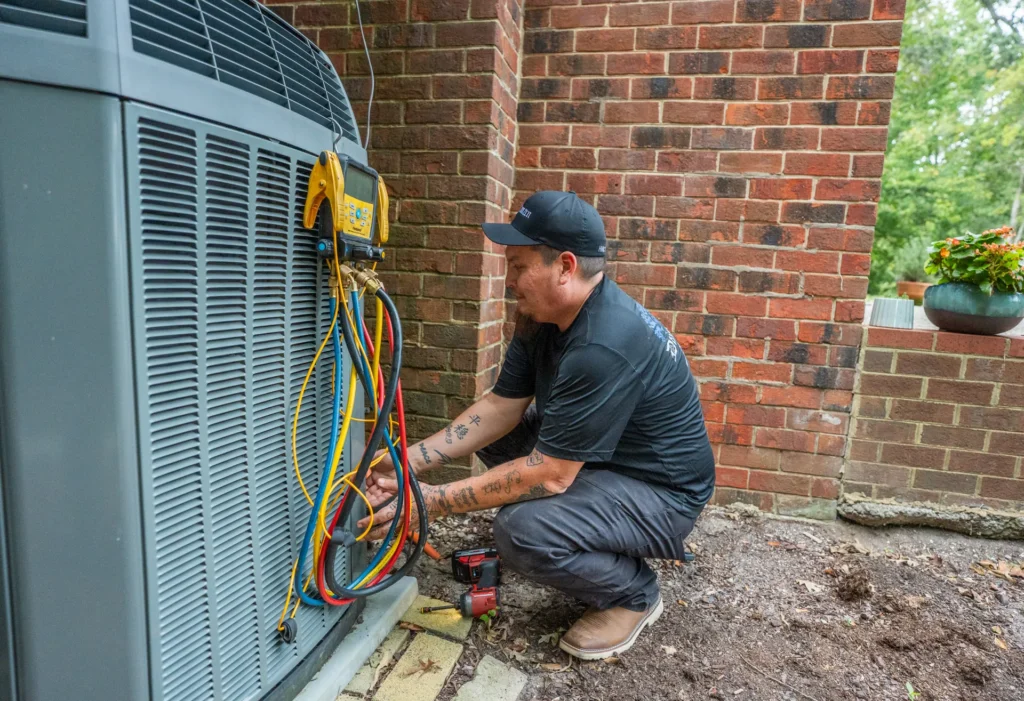
The right answer for most PICRA items. We fix what was flagged, verify the system, and document both.
End of its life
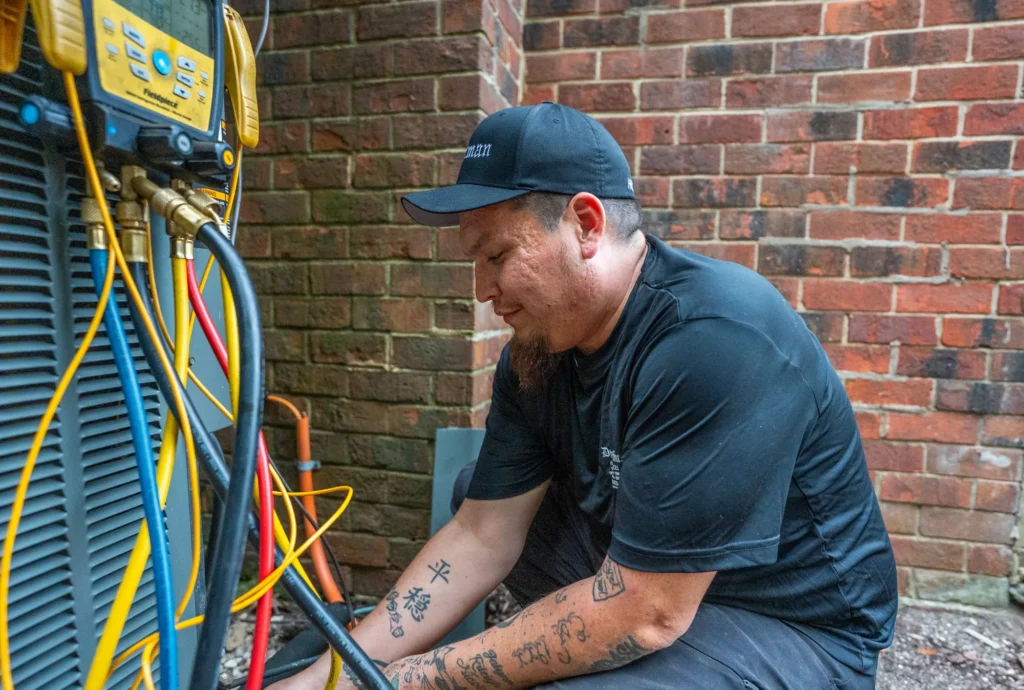
When the equipment is at the end of its life. We’ll document why, quote the replacement, and size it for the house, not just the old unit’s sticker.
How we document
Most of the PICRA problems we get called in to clean up aren’t about the repair. They’re about the paperwork. A handyman did the work and handed over a handwritten receipt, or a company fixed the item and sent an invoice that just said “service call.” The buyer’s agent pushes back, and now the seller is paying twice with the clock running.
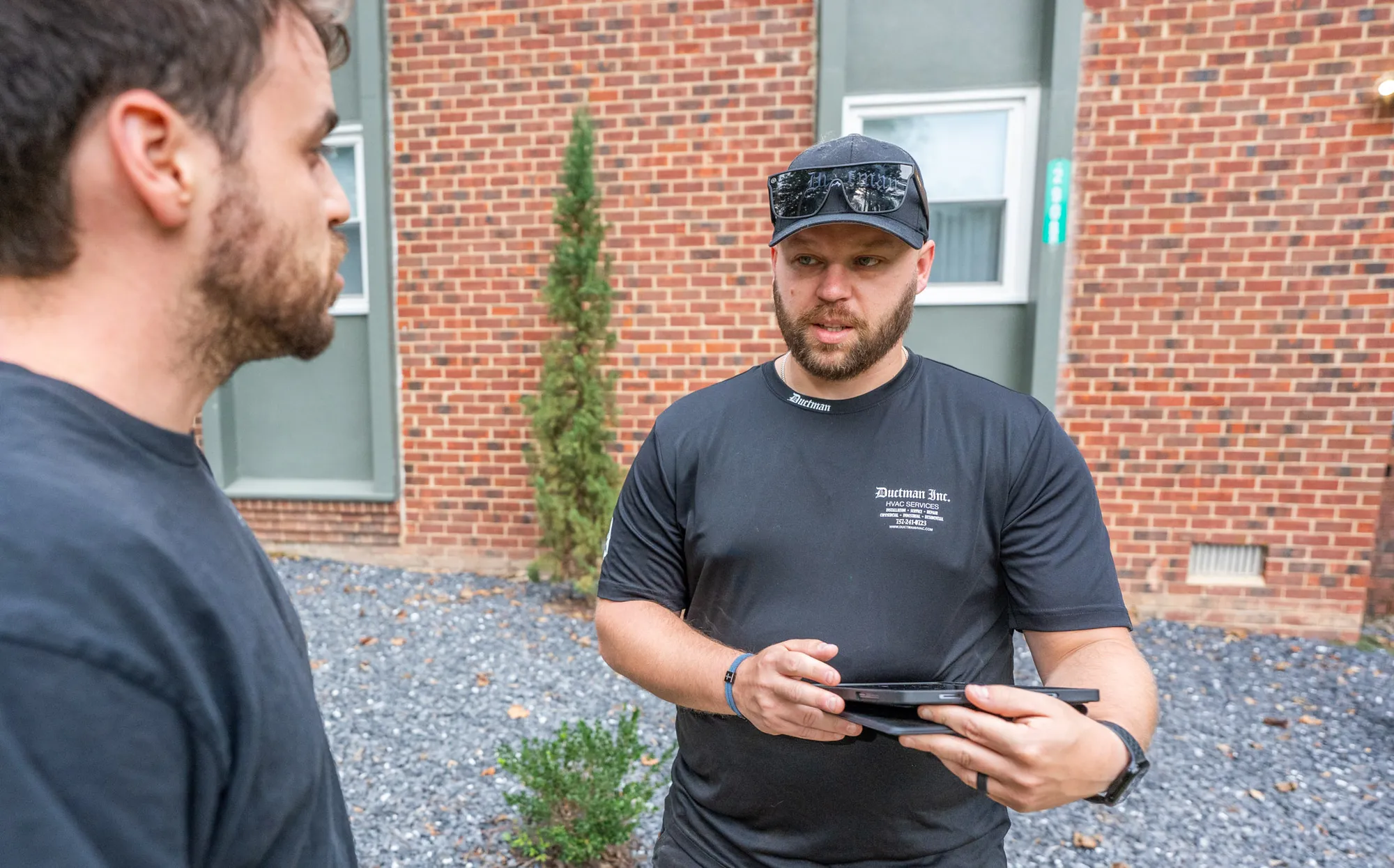
Our documentation is built for the people who have to accept it. Every PICRA job gets an invoice on company letterhead with our license number, a plain description of what the inspector flagged, what we found, and what we did, plus before-and-after photos where they help.
We’ll send it to the seller, the listing agent, the buyer’s agent, or whoever you designate. And if what we found doesn’t match what the inspector reported, the documentation says that too.
Inspection reports, plainly
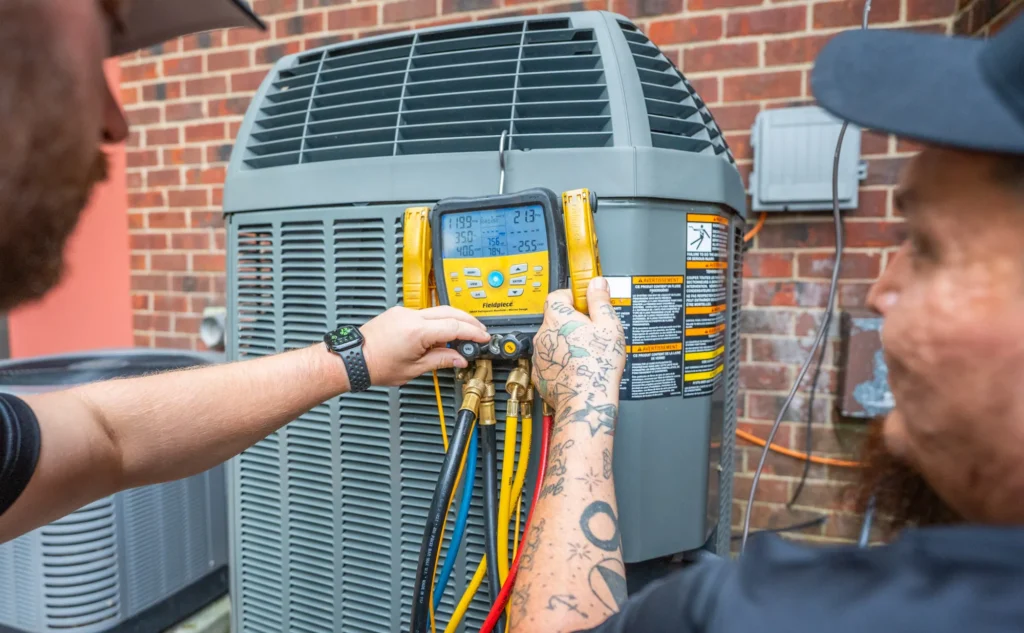
Home inspectors are generalists. They’re trained to notice when something looks wrong, but they aren’t licensed HVAC contractors, so when they see something outside their scope, they write “recommend evaluation by a licensed HVAC contractor.” It’s a referral, not a diagnosis.
That means the line on the report doesn’t tell you how serious the problem is. Sometimes the evaluation finds a real failure. Often it finds a dirty filter, a drain that needs clearing, or a system that’s working fine but was tested on a day it wasn’t running long enough to show it.
The evaluation is the deliverable. Done honestly, it either resolves the item with a small repair or confirms there’s nothing to repair, and either way, the buyer gets what the PICRA asked for: a licensed contractor’s written findings.
Our Process
No surprise charges, and no work starts until the scope is approved.
Before we get there
The inspection report or the PICRA itself, plus the closing date. That tells us exactly what we’re being asked to address and how much time there is.
Who’s approving the work, who gets the documentation, and how we get into the house: seller, agent, or lockbox.
The visit
Each HVAC item on the report checked and diagnosed, with the rest of the system looked over while we’re there.
What we found, what it takes to resolve each item, and what it costs, in a format the agents can forward. Nothing starts until it’s approved.
Before closing
Repairs made and the system run and checked, so the item is actually resolved rather than patched for the walkthrough.
Invoice on letterhead with our license number, findings, work performed, and photos, sent to everyone you designate.
Testimonials
Mike was very professional and thorough throughout the entire process. Haven’t felt with any HVAC service before Ductman and will never choose anything else now. Thank you for a great experience.

 Robert Clark
 Google review
Everyone was respectful, a pleasure to work with, and they got the job done in a timely fashion with a great quality of work. My house heats even better now than before. 10/10 I absolutely recommend them.
 James Maurmeier
Google review
Furnace went out on what seems like the coldest day so far this year. Chris answered our call and promptly sent out a technician to review the issue and provide an estimate. They were able to order and install the part quickly for a reasonable price. I would definitely call them again if we had another HVAC issue.
 Charisse
Google review
Our Work
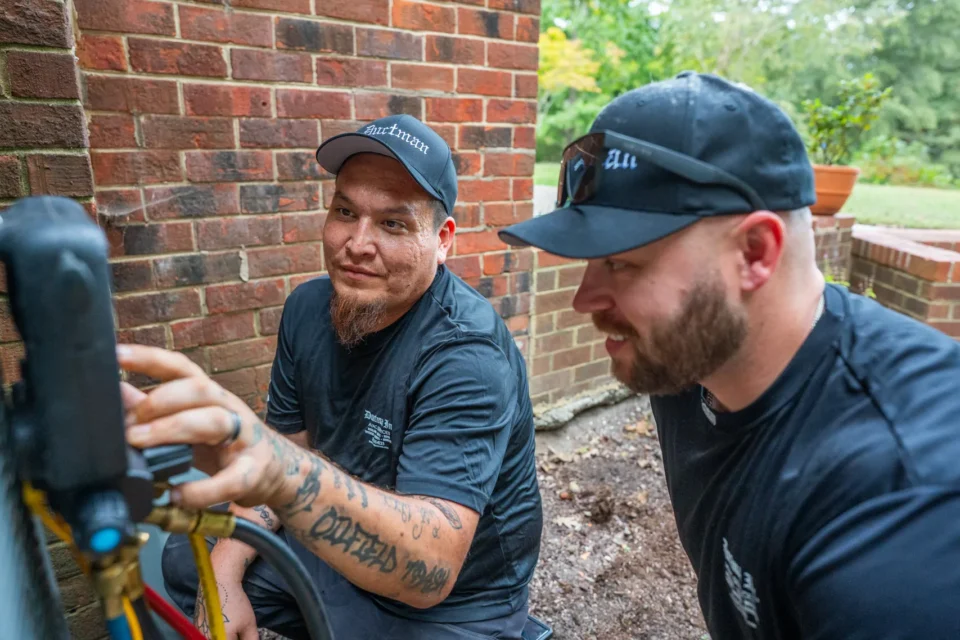
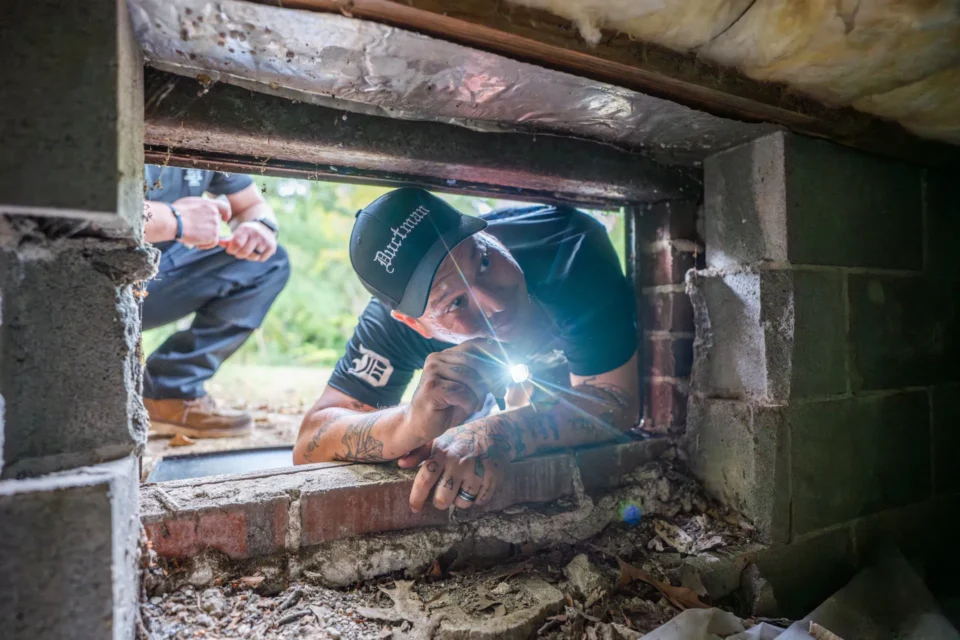
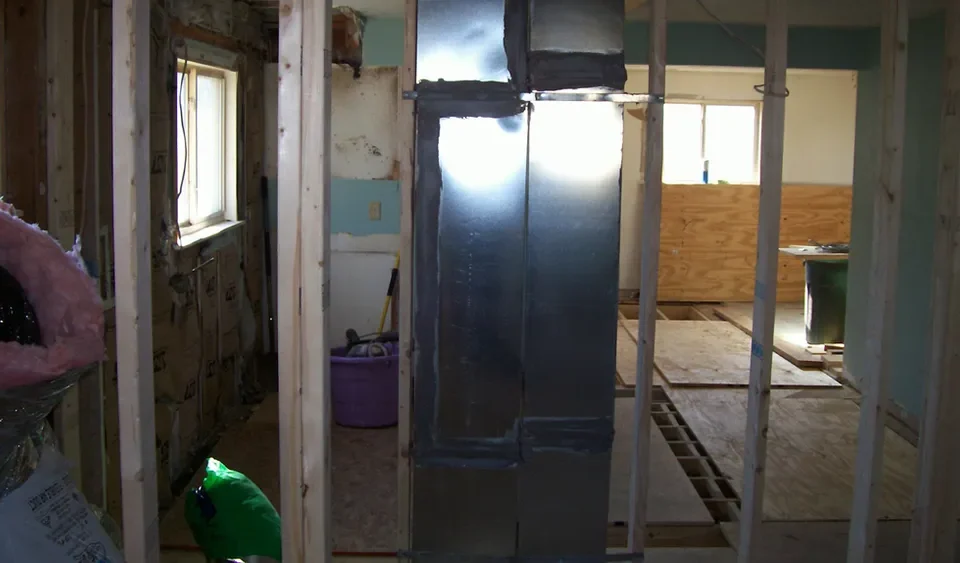
FAQ
In Hampton Roads, a Property Inspection Contingency Removal Addendum. It’s how a buyer asks the seller to address home inspection findings before closing. When HVAC items are on it, a licensed HVAC contractor usually needs to evaluate and repair them, with documentation.
An invoice on company letterhead with our license number, a plain description of what the inspector flagged, what we found, and what we did, plus before-and-after photos where they help. We send it to whoever you designate.
Yes. Send us the report and the closing date, and we schedule around it.
That’s a decision for the agents and the contract. We handle the HVAC part and give everyone the information they need to make that call.
Then the documentation says so. Inspectors are generalists; when what we find doesn’t match what the inspector reported, our written findings explain what we found instead.
No. We confirm access before the visit: through the seller, the agent, or a lockbox.
Yes. Crushed, disconnected, or uninsulated ductwork is repaired, sealed, and photographed, and dryer or bath exhaust that never made it outside gets real ductwork.
If the HVAC is on the inspection list, send us the report and your closing date. We’ll scope the items, tell everyone involved what we find, and deliver documentation the buyer’s side can accept. One call instead of three.
Get Started
Call or send the inspection report and your closing date. We’ll scope the HVAC items, explain what we find in plain English, and send the documentation to everyone who needs it.