Warehouses and distribution
Large open spaces, dock doors, and heating that has to reach the floor, not the ceiling.
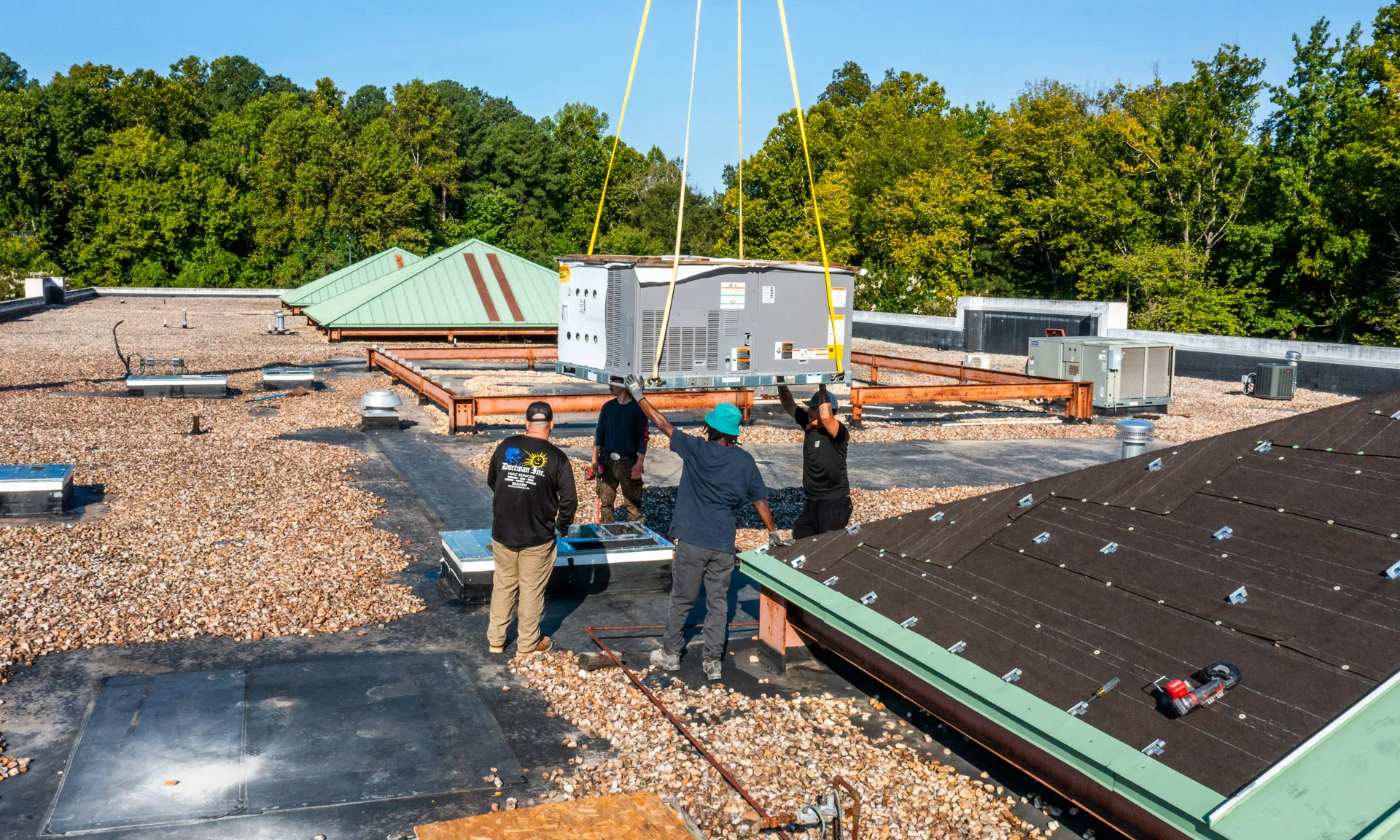
Industrial HVAC
Warehouses, manufacturing floors, government buildings, and transportation facilities run on schedules that don’t stop for a failed unit. We maintain, repair, and install industrial HVAC with the work planned around your operations, and our team has done it at the scale of the region’s largest facilities.
Before you replace anything
In large facilities, equipment failures are rarely sudden. The unit that quit last week usually had a slipping belt, a fouled coil, or a failing motor for months, and nobody had the documentation to see it coming. The result is an emergency replacement at the worst possible time.
We look at the condition of each piece of equipment and the maintenance history behind it before recommending capital spending. Often the right answer is a better maintenance program and targeted repairs, with replacements ranked and scheduled instead of forced.
Planning replacements? Commercial HVAC Replacement & Installation
Facilities we serve
Large open spaces, dock doors, and heating that has to reach the floor, not the ceiling.
Process heat, exhaust, and ventilation that protect people and production.
Public buildings with strict schedules, documentation requirements, and access procedures.
Terminals and support buildings that run around the clock.
Facilities where temperature, humidity, and reliability are operational requirements.
Shopping centers and large multi-tenant properties.
Engagement path
Some facilities want an outside contractor to own the HVAC entirely. Others have an in-house maintenance team that handles day-to-day work and needs someone for what falls outside it. We work both ways.
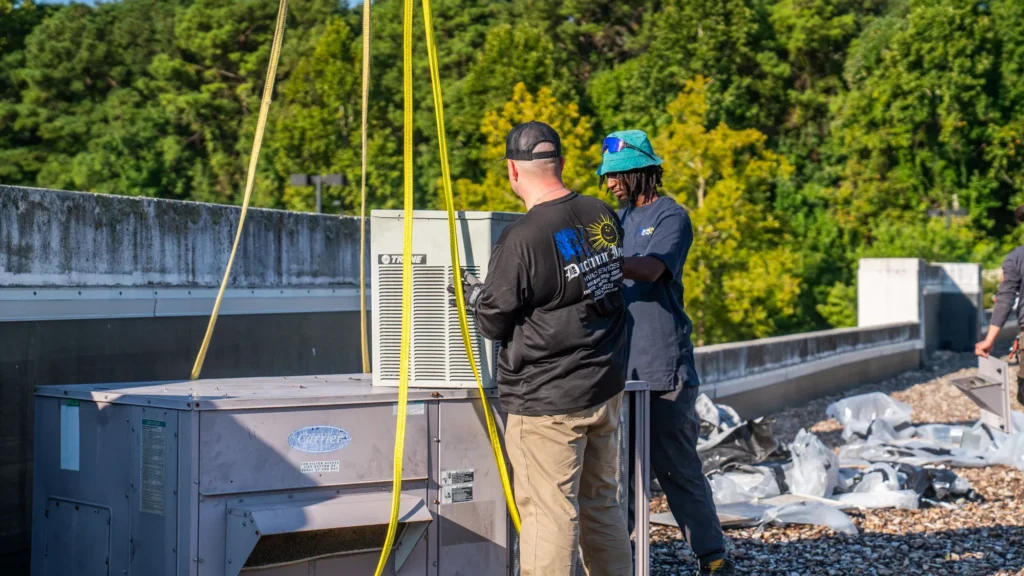
We own the HVAC
We take responsibility for the HVAC: scheduled maintenance, repairs, documentation, and replacement planning across the facility. The right fit when HVAC isn’t something you want to manage internally.
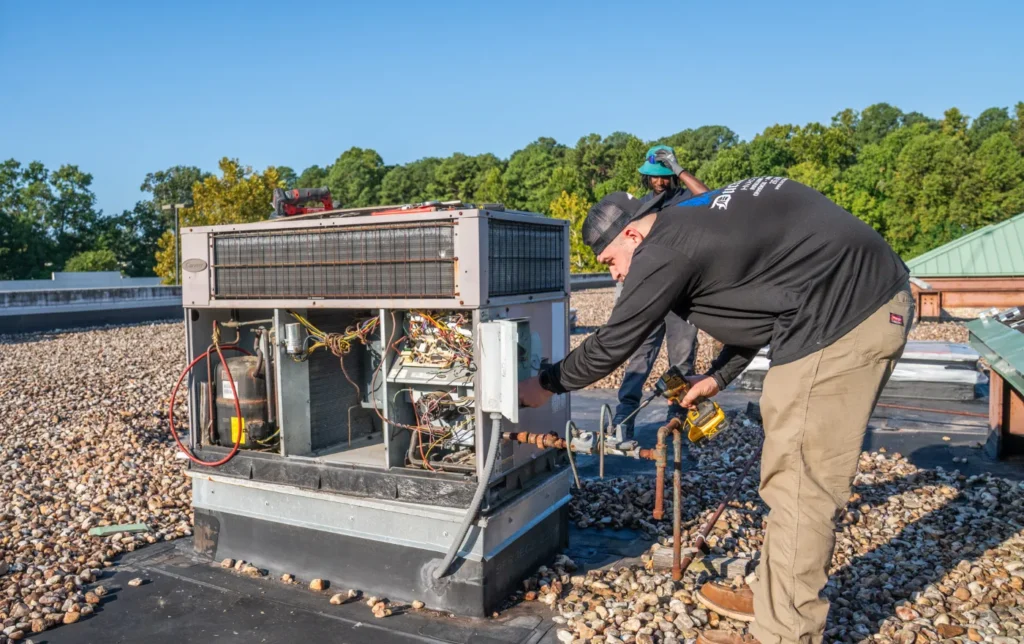
You have maintenance staff
Your team handles routine work; we handle the diagnostics, refrigerant work, gas work, major repairs, and installations that need a licensed contractor. The right fit when you already have maintenance staff.
What we work on
Large equipment, long duct runs, and gas service sized for a facility, all handled by one licensed contractor.
Large-tonnage rooftop equipment, maintained, repaired, and replaced on a planned schedule.
Service & MaintenanceGas and electric heaters for warehouses, shops, and dock areas.
Multi-zone systems for offices and institutional buildings within a facility.
Ventilation for process areas, shops, and kitchens.
Commercial Kitchen HoodsLarge-scale duct for open spaces and long runs.
Commercial DuctworkFacility gas lines and equipment connections under our own Master Gas Fitter license.
Commercial Gas LinesHow we plan
Most HVAC contractors work on a facility the way they’d work on a house: they come when called, fix what’s broken, and leave when it runs. In a large facility, that approach turns every failure into an emergency and every replacement into a surprise.
We plan the work. Every piece of equipment is inventoried and documented, maintenance is scheduled around your operations, shutdowns are coordinated in advance, and replacements are ranked by condition so they can be budgeted and timed. When something does fail, we already know its history.
We also work within the procedures your facility runs on (access, safety, scheduling, and documentation) rather than expecting the facility to work around us.
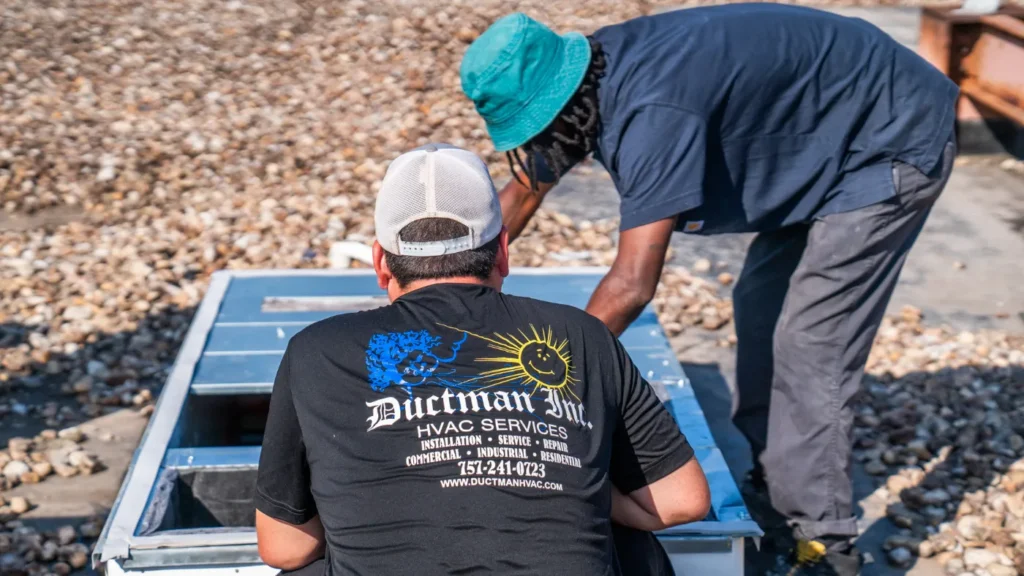
Our Process
Clear scope, no surprise charges, and work coordinated with your operations.
Before we start
Every unit inventoried with type, age, condition, and criticality to your operations.
Maintenance schedule, access and safety procedures, and a ranked list of what needs attention.
Ongoing work
Visits timed around production, shifts, and occupancy, with shutdowns coordinated in advance.
Diagnosis and repair with the equipment’s history already in hand.
Planning ahead
Readings, condition, and work performed for every unit, in a format your team can use.
Equipment nearing the end of its life identified early and scheduled for the right season and budget cycle.
Downtime, plainly
The repair bill is usually the smallest cost of an HVAC failure in a large facility. The bigger costs are the ones that don’t show up on the invoice: production that slows or stops, product that has to stay within a temperature range, crews standing idle, conditions that become a safety concern, and the overtime and expedited equipment that come with fixing it in a hurry.
The way to manage that is to know which equipment matters most. Not every unit in a facility is equally critical. A rooftop unit over a break room can wait a day; the system serving a temperature-controlled process cannot. Ranking equipment by how much its failure would cost tells you where to spend on maintenance, where to plan replacements first, and where backup capacity is worth having.
That ranking is part of every facility survey we do.
We back them up with the diagnostics, refrigerant and gas work, major repairs, and installations that need a licensed HVAC contractor, without taking over what they already handle well.
Testimonials
Mike was very professional and thorough throughout the entire process. Haven’t felt with any HVAC service before Ductman and will never choose anything else now. Thank you for a great experience.

 Robert Clark
 Google review
Everyone was respectful, a pleasure to work with, and they got the job done in a timely fashion with a great quality of work. My house heats even better now than before. 10/10 I absolutely recommend them.
 James Maurmeier
Google review
Furnace went out on what seems like the coldest day so far this year. Chris answered our call and promptly sent out a technician to review the issue and provide an estimate. They were able to order and install the part quickly for a reasonable price. I would definitely call them again if we had another HVAC issue.
 Charisse
Google review
Our Work
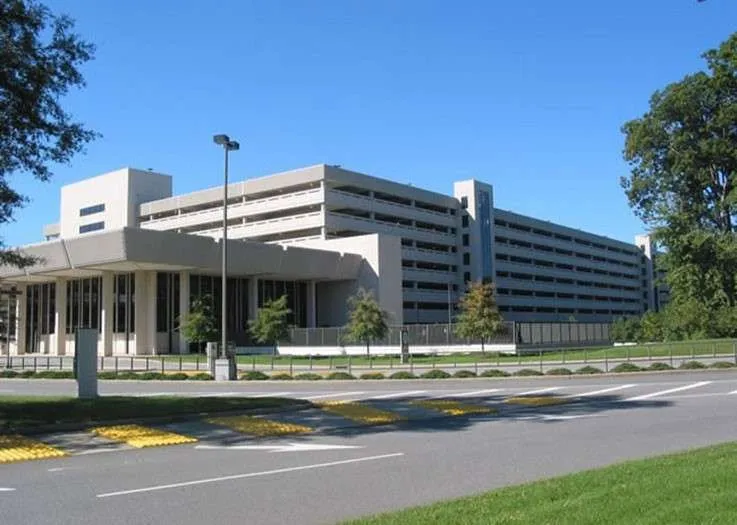
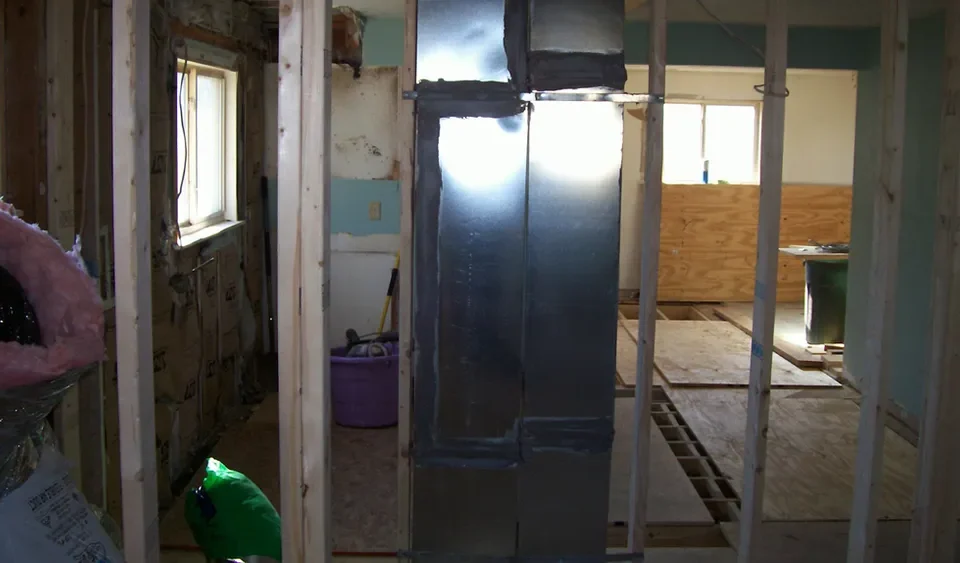
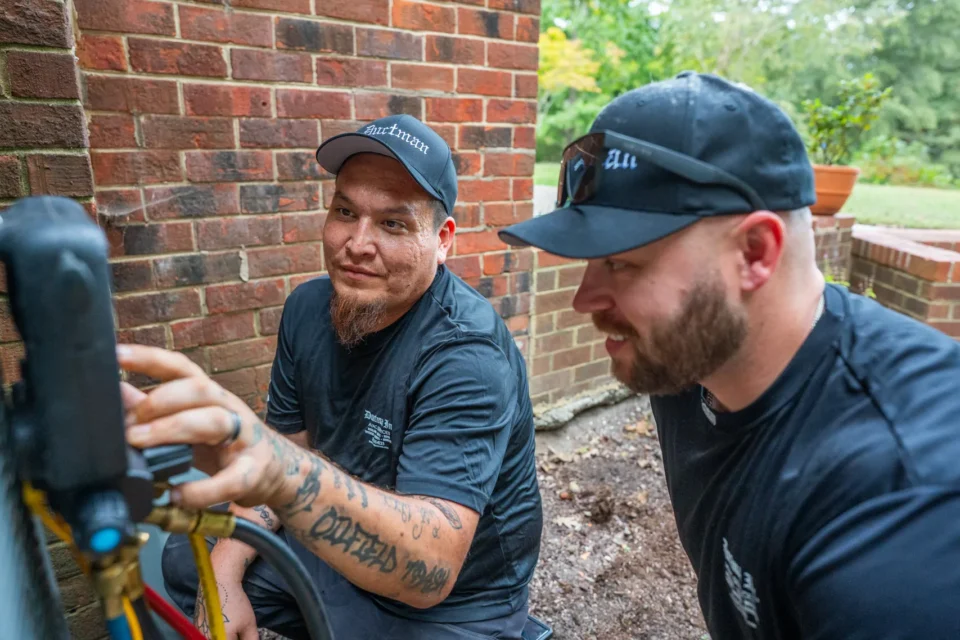
FAQ
Yes. We’ve worked on industrial, institutional, and government facilities for two decades, including some of the largest in the region.
Yes. Your team handles routine work; we handle the diagnostics, refrigerant work, gas work, major repairs, and installations that need a licensed contractor.
Yes. Visits are timed around production, shifts, and occupancy, with shutdowns coordinated in advance.
We work within the procedures your facility runs on (access, safety, scheduling, and documentation) and build them into the plan before work starts.
Yes. We maintain, repair, and install gas and electric unit heaters for warehouses, shops, and dock areas, sized so the heat reaches the floor, not the ceiling.
Every unit gets readings, condition, and work performed recorded on every visit, in a format your team can use.
Yes. Emergency service is available 24/7. Call 757-241-0723.
Get Started
Tell us about the facility, the equipment, and how your team works. We’ll survey it, rank what needs attention, and put together a plan that fits your operations.