No heat at all
Nothing happens when the thermostat calls. Usually electrical or ignition: a tripped breaker or switch, a failed igniter, a bad control board, or a thermostat that isn’t sending the signal.
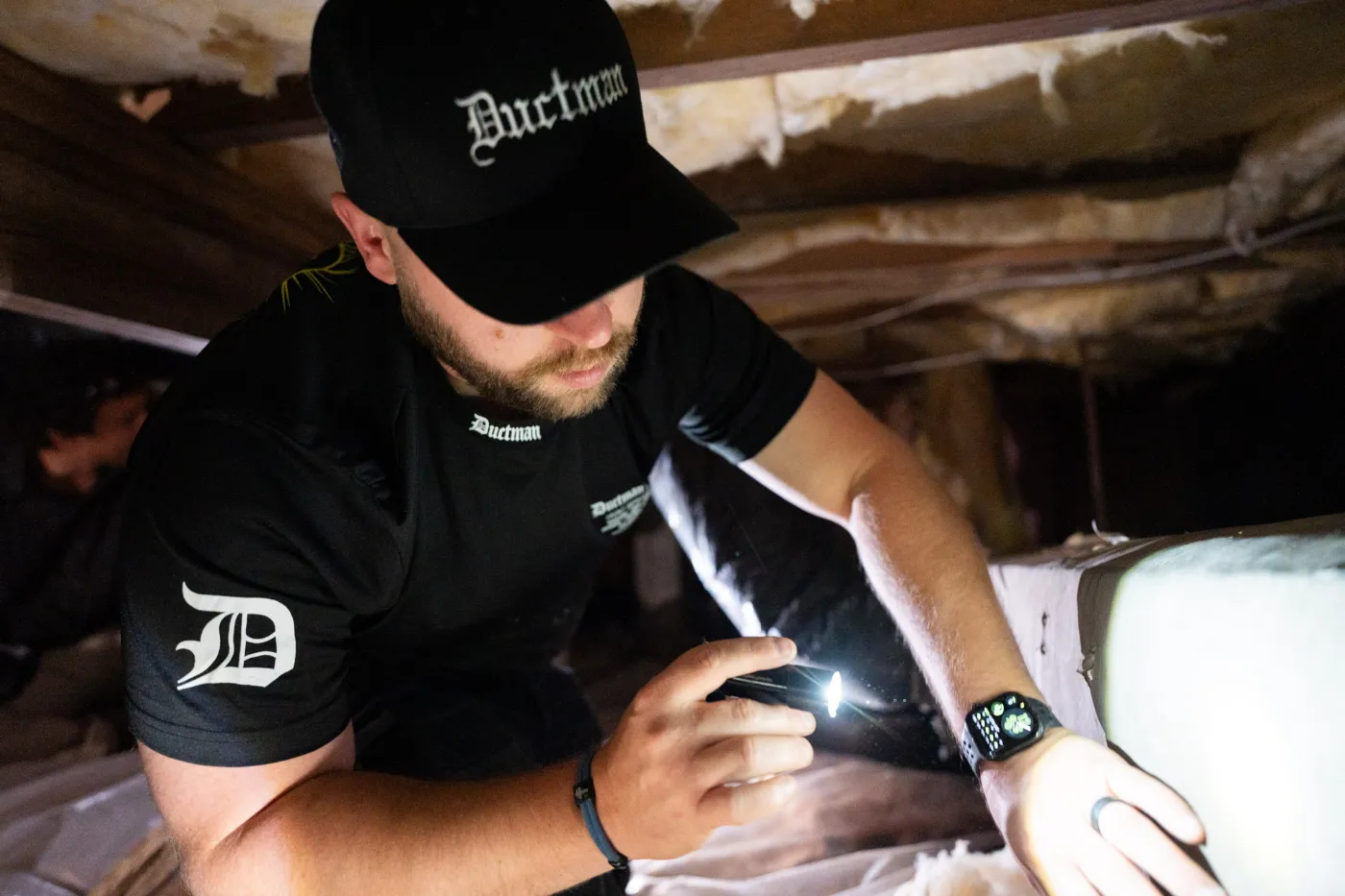
Furnace Repair
A furnace that won’t heat is usually a part, not a verdict: an igniter, a flame sensor, a pressure switch, a control board. We diagnose the whole system before we touch anything, handle the gas work ourselves rather than calling in someone else, and tell you what it’ll take to fix before any work starts.
Told your furnace needs replacing?
It usually goes like this: another company came out, looked at a furnace that wouldn’t light, and quoted a full replacement. Sometimes that’s the right call. Often it isn’t. A dirty flame sensor, a failed igniter, a stuck pressure switch, or a bad control board can all shut a furnace down, and none of them require new equipment.
The one to watch for is the heat exchanger. If someone told you yours is cracked, ask to see it. A cracked heat exchanger is a real safety issue and a legitimate reason to replace a furnace. It’s also the easiest thing in this trade to claim and never prove. If we say your heat exchanger is cracked, we’ll show it to you.
Here are some common problems, what might be causing them, and when it’s time for a repair.
Nothing happens when the thermostat calls. Usually electrical or ignition: a tripped breaker or switch, a failed igniter, a bad control board, or a thermostat that isn’t sending the signal.
The burners light and go out within seconds. Most often a dirty or failing flame sensor, which is one of the most common and least expensive furnace repairs there is.
The blower runs but the air isn’t warm. Ignition failure, a gas supply problem, or a furnace that’s overheating and shutting its burners off to protect itself, often because of a clogged filter.
Firing, running a few minutes, shutting off, repeating. A restricted filter, a failing limit switch, a thermostat in the wrong spot, or a furnace oversized for the house.
Banging or booming at ignition, squealing from the blower, or a burning smell beyond the first dusty run of the season. Worth a look before it becomes a bigger repair.
If you smell gas or your carbon monoxide detector goes off, leave the house first. Call the gas company or 911 from outside, then call us.
Repair Path
Most furnace problems don’t automatically mean you need a new system. Issues with igniters, flame sensors, pressure switches, and other components can often be resolved with straightforward repairs. The right decision depends on the furnace’s age, condition, and the cost of the work.
For older furnaces, major repairs can change the equation. A failed heat exchanger, expensive blower repair, or multiple recurring problems may make replacement the better long-term investment. We’ll explain your options, compare costs, and help you make an informed decision.
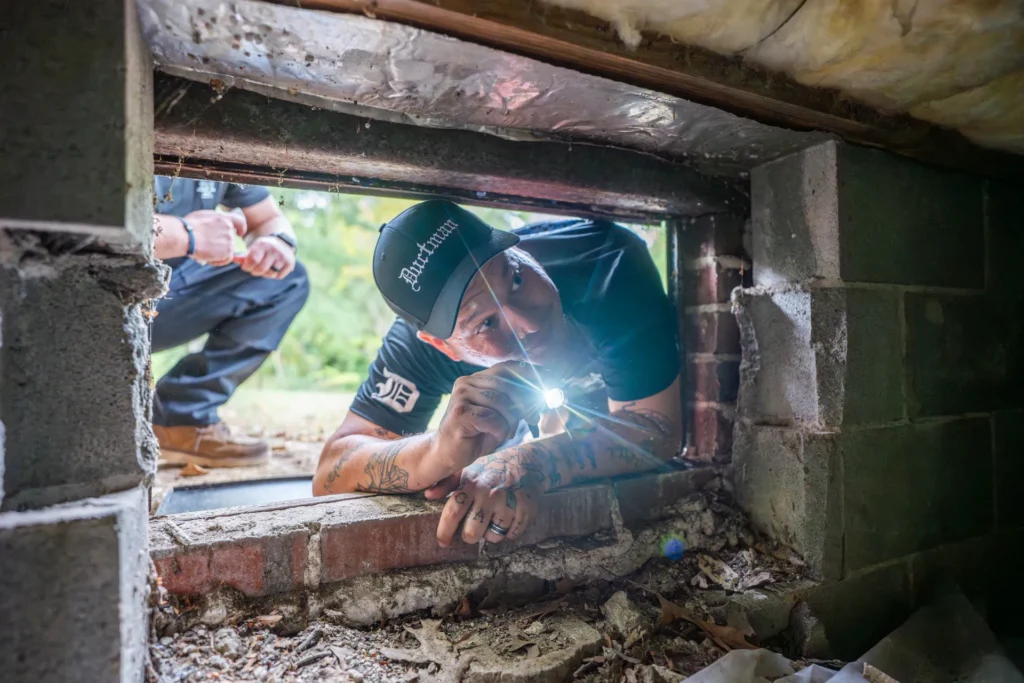
When to repair
Repair is often the better option when your furnace is relatively new, has been reliable, and the problem can be fixed at a reasonable cost.
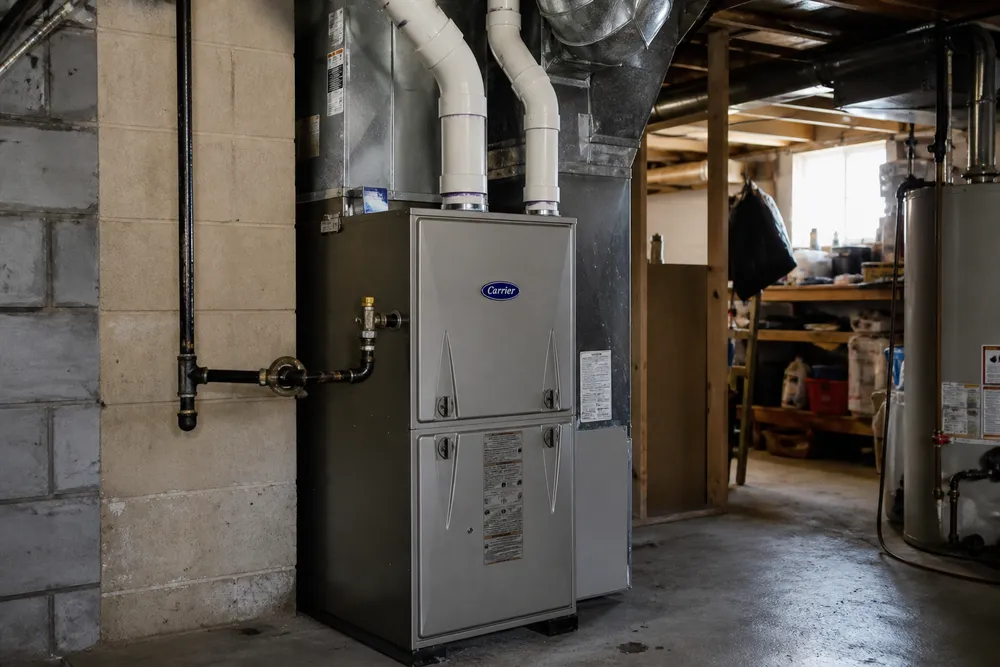
When to replace
Replacement may make more sense if your furnace is aging, needs frequent repairs, or has a cracked heat exchanger or other major failure. A new furnace can also offer improved efficiency and comfort.
What we repair
We repair every major brand of gas furnace, and we hold the Master Gas Fitter license, so gas valves, gas lines, and venting are our work rather than a second contractor’s.
The two most common furnace failures. Hot-surface igniters crack and wear out, and flame sensors build up residue until the furnace can’t prove it has flame.
The components that confirm the furnace is venting safely before it lights. When either fails, the furnace refuses to fire.
The furnace’s logic and its safety shutoffs. A failing board or limit switch can mimic almost any other problem.
Moving the heated air into the house. Squealing, humming, or a blower that won’t start usually lives here.
Diagnosed and repaired under our own Master Gas Fitter license.
Blocked, disconnected, or corroded venting, including the PVC venting on high-efficiency furnaces and the condensate drains that freeze or clog.
Our Brands



































How we diagnose
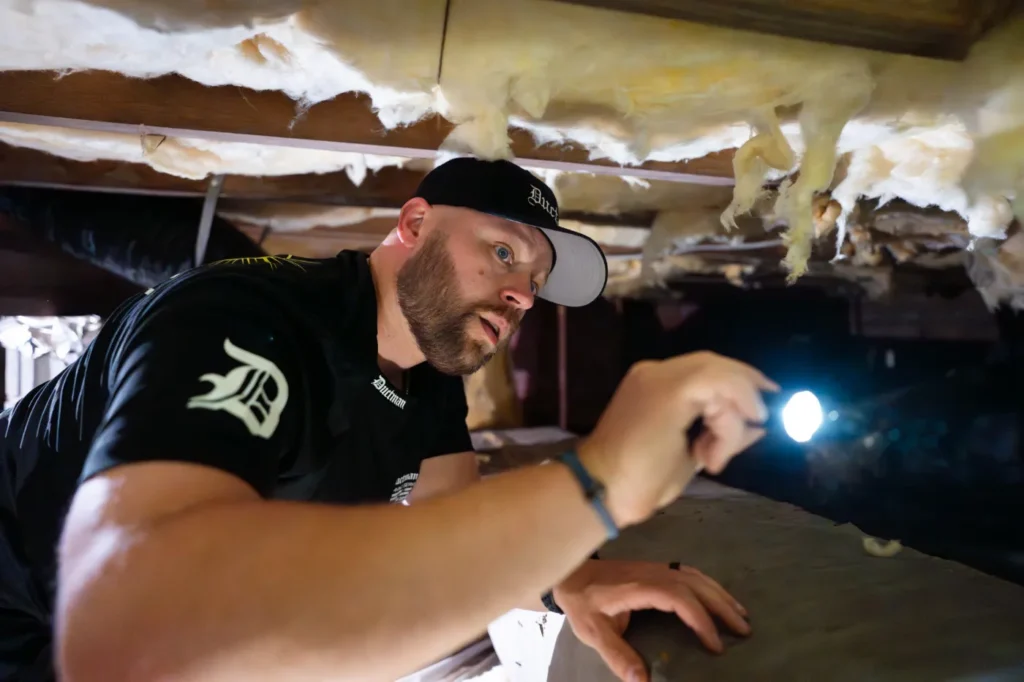
Most companies find the first broken part, replace it, and leave. That works until the part fails again, because whatever killed it is still there. A furnace that keeps tripping its limit switch is usually overheating for a reason (a clogged filter, a weak blower, or undersized ductwork) and swapping the switch doesn’t fix any of them.
We check the whole system before we fix anything: ignition, gas pressure, combustion, venting, airflow, the heat exchanger, and the thermostat. Then we tell you what failed and why it failed.
And if the real problem is ductwork, we’ll say that too. A furnace choking on bad ducts will keep breaking no matter how many parts get replaced.
Our Process
No surprise charges, and no work starts until you’ve said yes.
Before we get there
What you’re seeing, hearing, and smelling, and when it started. If you smell gas, we’ll tell you what to do before we hang up.
The furnace’s age, past repairs, and whether anyone else has already looked at it. If you’ve been quoted a replacement, tell us. We’ll look at it fresh.
The diagnostic visit
A full system check, not just the first broken part. Ignition, gas pressure, combustion, venting, airflow, and controls, with the heat exchanger inspected.
What failed, why it failed, what the repair involves, and what it costs. You decide before any work starts.
Before we pull out
Repair made, then the furnace run through full heating cycles: ignition, flame, gas pressure, venting, and temperature rise checked, so you know it’s actually working rather than just running.
If something else is wearing out, you’ll hear about it plainly, with no pressure to fix it today.
Furnace Ignition, plainly
A gas furnace doesn’t just turn on. Every time the thermostat calls for heat, it runs through a safety checklist, and if any step fails, it stops. The inducer motor starts first to clear the flue. A pressure switch confirms the venting is working. The igniter heats up. The gas valve opens. Then the flame sensor has a few seconds to prove there’s a flame, and if it can’t, the gas shuts off and the furnace tries again, or locks itself out.
That’s why a furnace that clicks, hums, glows, and quits isn’t necessarily broken in a big way. It’s doing exactly what it was designed to do: refusing to run because one step in that sequence didn’t check out. Finding which step is the diagnosis. Often it’s a flame sensor that needs cleaning, a pressure switch reacting to a blocked drain, or an igniter at the end of its life.
It’s also why we don’t recommend bypassing anything to get the heat back on. Every one of those checks exists to keep combustion gases out of your house.
Testimonials
Mike was very professional and thorough throughout the entire process. Haven’t felt with any HVAC service before Ductman and will never choose anything else now. Thank you for a great experience.

 Robert Clark
 Google review
Everyone was respectful, a pleasure to work with, and they got the job done in a timely fashion with a great quality of work. My house heats even better now than before. 10/10 I absolutely recommend them.
 James Maurmeier
Google review
Furnace went out on what seems like the coldest day so far this year. Chris answered our call and promptly sent out a technician to review the issue and provide an estimate. They were able to order and install the part quickly for a reasonable price. I would definitely call them again if we had another HVAC issue.
 Charisse
Google review
Our Work
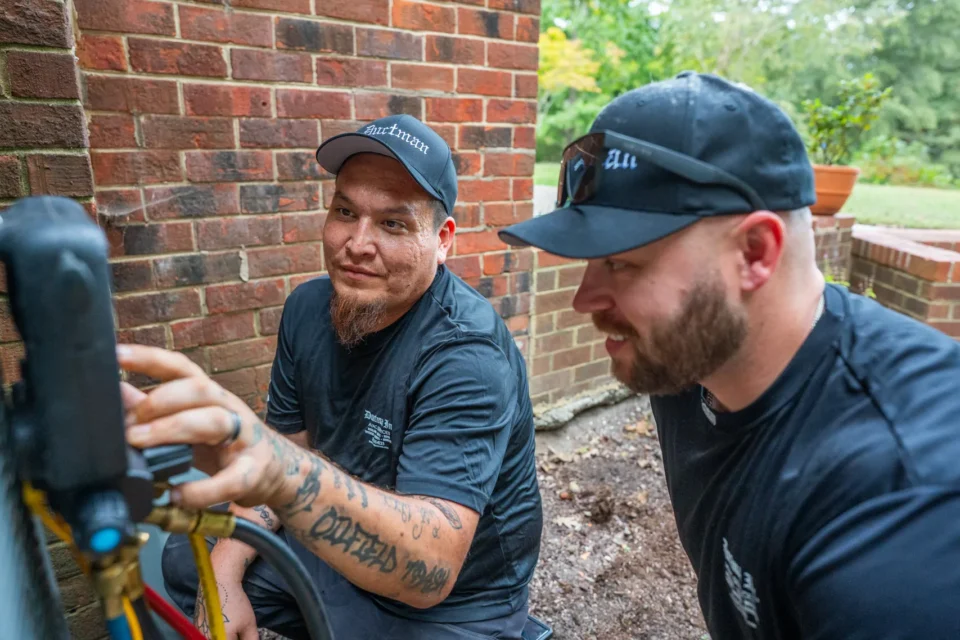
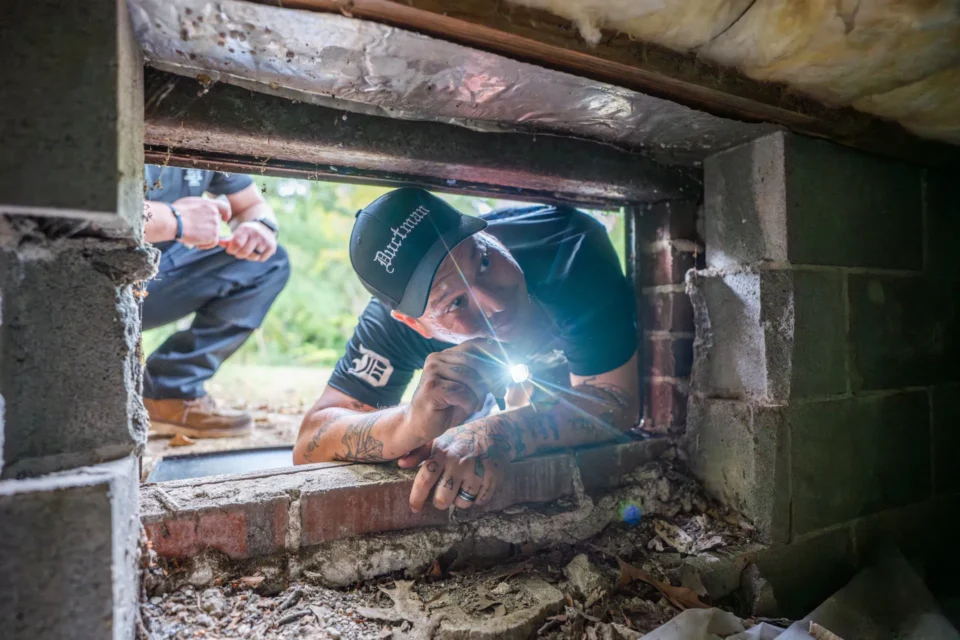
Regular furnace maintenance helps identify worn components, airflow restrictions, and potential safety concerns before they cause bigger problems. Schedule a tune-up before the cold weather arrives to help keep your heating system running safely and reliably.
FAQ
It depends entirely on what failed. A flame sensor or an igniter is a small repair. A control board, inducer motor, or gas valve costs more. We’ll tell you exactly what it costs before any work starts.
The burners light and go out within seconds. Most often a dirty or failing flame sensor, one of the most common and least expensive furnace repairs there is. If the flame sensor can’t prove there’s a flame, the gas shuts off and the furnace tries again, or locks itself out.
Ignition failure, a gas supply problem, or a furnace that’s overheating and shutting its burners off to protect itself, often because of a clogged filter.
Leave the house first. Call the gas company or 911 from outside, then call us.
Ask to see it. A cracked heat exchanger is a real safety issue and a legitimate reason to replace a furnace, and it’s also the easiest thing in this trade to claim and never prove. If we say your heat exchanger is cracked, we’ll show it to you.
Usually. Igniters, flame sensors, pressure switches, inducer motors, and control boards are routine repairs, and gas furnaces routinely run past twenty years with them. A cracked heat exchanger can’t be repaired, and on an older furnace a failed inducer or blower combined with other wear can tip the numbers. We’ll show you what we found and both numbers side by side.
Yes. We’ll diagnose it independently and tell you what we find. If the other company was right, we’ll say so and explain why. If they weren’t, you just saved the cost of a furnace you didn’t need.
We do it ourselves. We hold the Master Gas Fitter license, so gas valves, gas lines, and venting are our work rather than a second contractor’s.
Get Started
Call us or send a request. We’ll find what actually failed, explain your options in plain English, and get your house cool again.