Your dryer takes more than one cycle
Clothes still damp after a full cycle, or a laundry room that gets hot while it runs. Usually a vent run that’s too long, crushed, or clogged.
Dryer, Bath & Kitchen Exhaust Venting
Dryer vents that are too long, bath fans that dump into the attic, and range hoods that only recirculate are all ductwork problems. We route exhaust the right way, terminate it outside, and fix runs other people left unfinished.
Before you replace anything
A dryer that takes two cycles to dry a load usually doesn’t need replacing. A bathroom fan that can’t clear the steam usually isn’t a bad fan. In both cases, the problem is often what the air has to get through on the way out: a run that’s too long, flex duct crushed behind the machine, an elbow packed with lint, or a vent that never reached the outside at all.
We look at the whole run before recommending anything. Sometimes it’s a damaged section or a stuck exterior cap. Sometimes the route was wrong from the start and needs rerouting. Either way, you’ll know before you spend money on a new appliance that would have had the same problem.
Not sure where yours goes? Request an inspection
Here are some common signs that your exhaust isn’t making it outside.
Clothes still damp after a full cycle, or a laundry room that gets hot while it runs. Usually a vent run that’s too long, crushed, or clogged.
A mirror that won’t clear and mildew spots on the ceiling mean the fan isn’t moving enough air out of the room, or what it moves isn’t making it outside.
Dryer or bath exhaust that ends under the roof or under the house puts moisture and lint where they cause damage. It’s one of the most common home inspection findings.
PICRA HVAC RepairsAn over-the-range microwave or hood that only recirculates won’t remove smoke, moisture, or odors. It can often be ducted outside.
A flap that won’t open, a cap packed with lint, or a nest in the opening blocks everything upstream of it.
Fix Path
A lot of exhaust problems can be corrected in place: replace the crushed section, swap foil flex for rigid pipe, fix a disconnected joint, install a proper exterior cap. That’s a smaller job, and when the route itself is sound, it’s the right one.
Sometimes the route is the problem. A dryer vent with too many elbows or too much length will clog again no matter how often it’s cleaned, and a bath fan dumping into the attic needs a new path to the outside. When that’s the case, we’ll show you why and price the reroute.
Route is sound
Damaged sections replaced, joints sealed, flex swapped for rigid pipe where it belongs, and a proper exterior cap installed. The right answer when the route is sound and the materials failed.
Route was never right
A new, shorter, code-correct path to the outside: through a wall, a roof, or a soffit with a dedicated termination. The right answer when the original route was never going to work.
What we install
Appliance installers connect the dryer to whatever is in the wall. Handymen hang a bath fan and run the duct toward a vent and stop. We treat exhaust the way we treat any duct system: sized, routed, sealed, supported, and terminated outside.
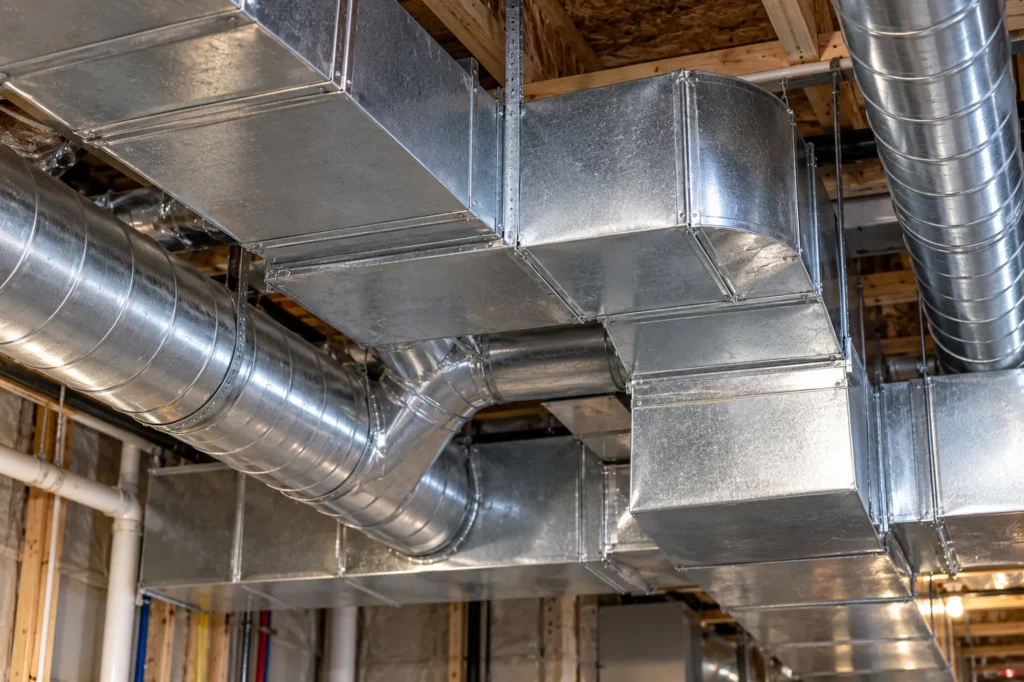
Rigid, smooth-wall metal pipe routed as short and straight as the house allows, with sealed joints and a proper exterior cap.
Shortening runs that exceed the dryer manufacturer’s limits, or moving the termination to a better wall.
New and replacement fans sized for the room, with insulated duct through the attic to a dedicated exterior termination.
Converting recirculating units to vent outside where the cabinetry and structure allow, and ducting new hoods properly.
Wall caps, roof jacks, and soffit terminations that open freely, keep pests out, and seal against weather.
Exhaust that was left venting under the roof or under the house, extended and terminated outside.
How we install
Most companies only deal with the end of the run they can see. An appliance installer pushes the dryer back against the wall without checking what’s behind it. A dryer vent cleaning company cleans a run that’s too long to ever stay clean. A handyman installs a new bath fan and aims the duct at a soffit vent without connecting it to anything.
We trace the whole run, inside to outside. We measure its length, count the elbows against the dryer manufacturer’s limit, check every joint, and confirm where it actually ends. Dryer vents get rigid metal pipe. Bath fan duct through an attic gets insulated, so warm, wet air doesn’t condense inside it and drip back into the fan.
Then we confirm air is actually leaving the house at the exterior cap, not just moving inside the wall.
Our Process
No surprise charges, and no work starts until you’ve said yes.
Before we get there
Slow drying, steam that won’t clear, smoke that lingers, or an inspection report that flagged it. Each points somewhere different.
Where the appliance sits and where you think the vent ends. A photo of the outside cap or the inspection note helps.
The visit
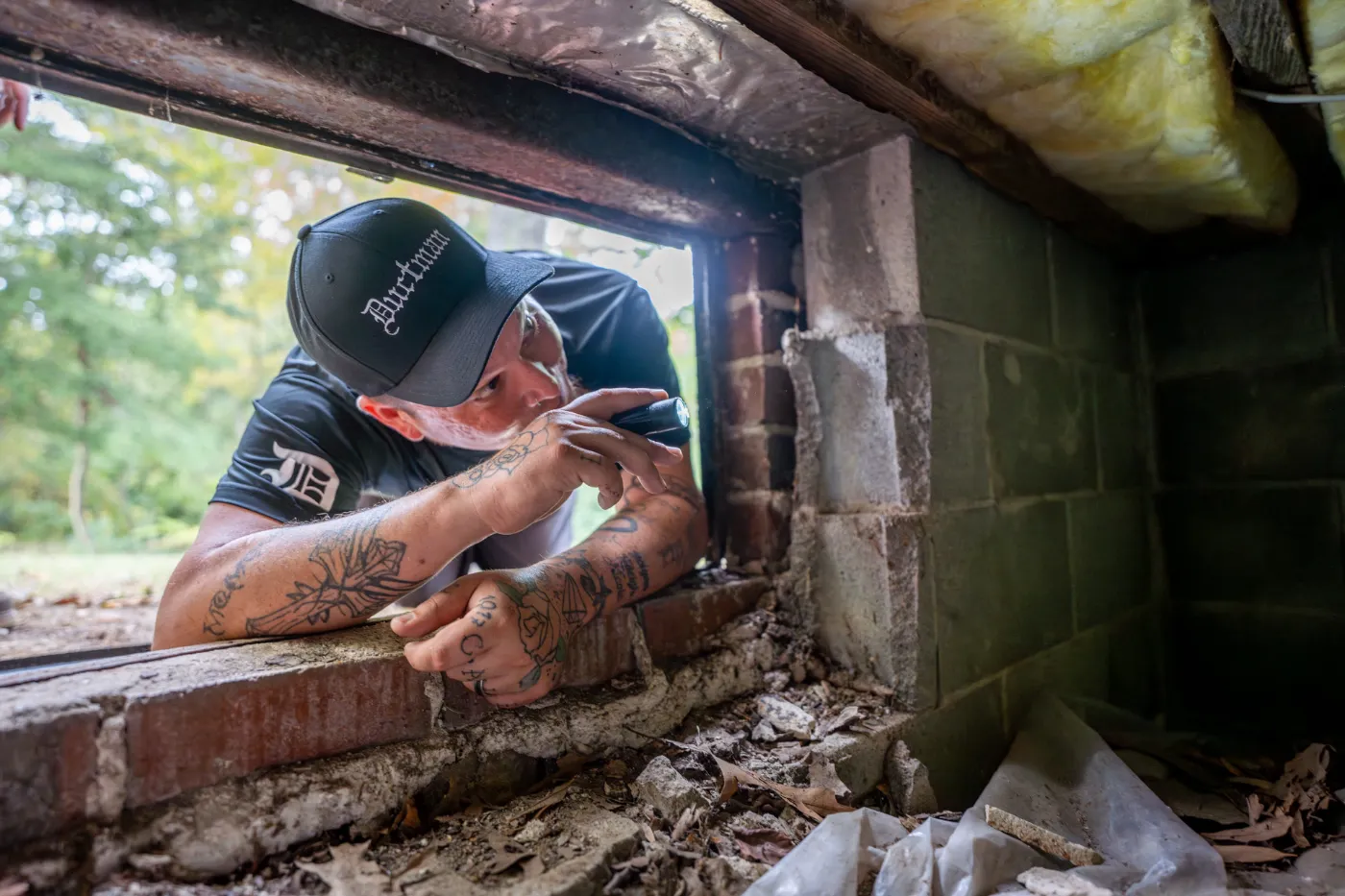
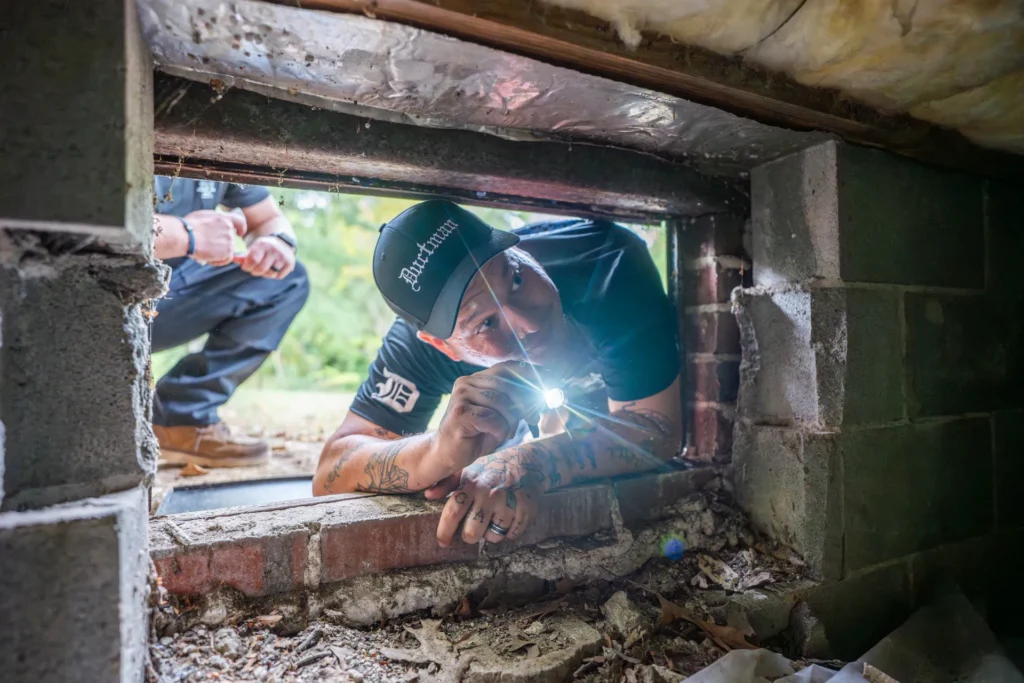
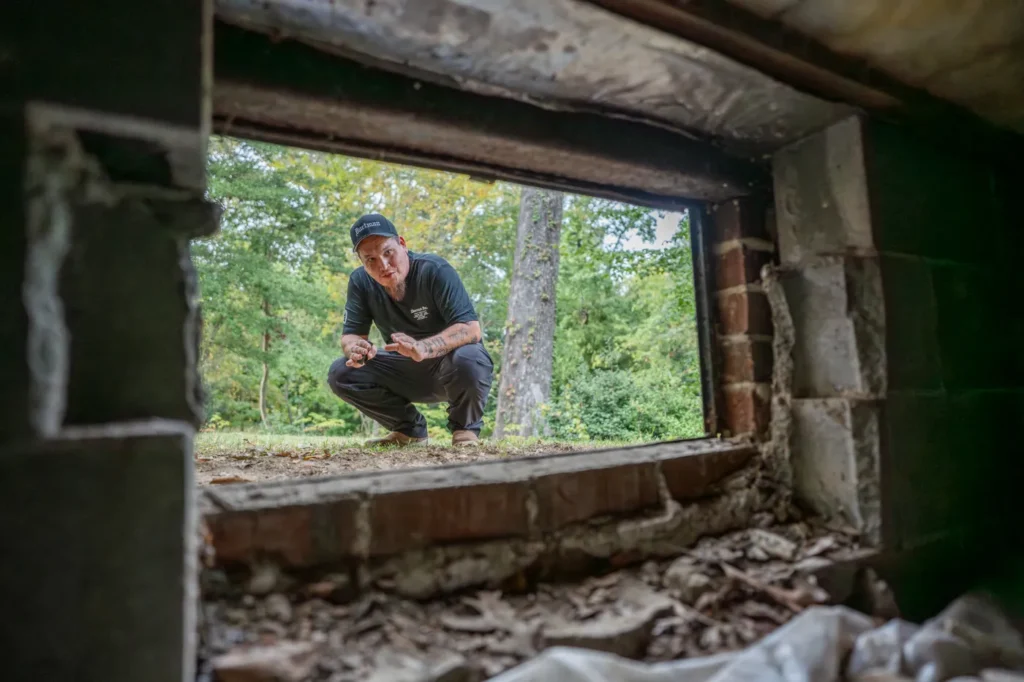
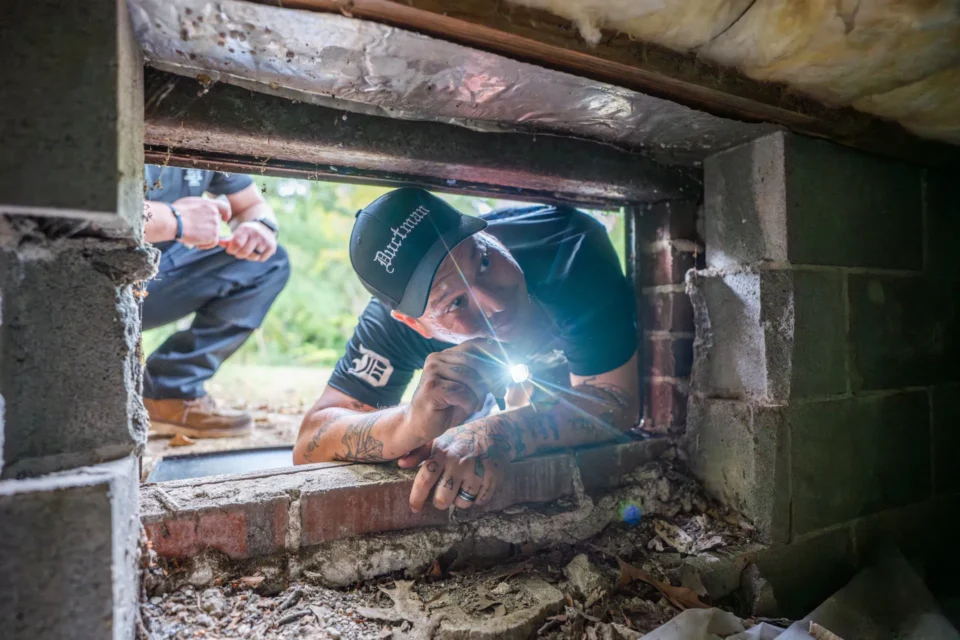
Inside to outside: length, elbows, materials, joints, and where it actually terminates. Attic and crawlspace included.
What’s wrong, whether it can be corrected in place or needs rerouting, and what it costs. You decide before any work starts.
Before we pull out
Duct installed, sealed, supported, and terminated, then the appliance run to confirm air is leaving at the exterior cap.
Photos of the finished run and the termination. Useful for your records, and exactly what a buyer’s agent wants if it was an inspection item.
Dryer vents, plainly
Every dryer manufacturer publishes a maximum vent length, and every elbow in the run counts against it as several feet of straight pipe. A dryer pushing air through a run that’s too long, too bent, or made of ribbed flex can’t move air fast enough to carry the lint out. The lint settles in the pipe, the airflow drops further, and drying times climb. Lint buildup in dryer vents is one of the most common causes of dryer fires.
That’s why cleaning alone doesn’t fix a run that’s too long. It removes the lint that’s there today, and the same run fills back up. The fix is a shorter, straighter path in rigid metal pipe, or, where the house won’t allow that, a solution approved by the dryer manufacturer and code for long runs.
Bathroom fans have a similar problem in a different place. A bath fan that empties into the attic doesn’t remove moisture from the house. It moves it into the roof structure, where it shows up later as stained sheathing, damp insulation, and mold.
Dryer and bath exhaust that doesn’t make it outside is one of the most common home inspection findings. We correct it and document it with photos the buyer’s side will accept.
Testimonials
Mike was very professional and thorough throughout the entire process. Haven’t felt with any HVAC service before Ductman and will never choose anything else now. Thank you for a great experience.

 Robert Clark
 Google review
Everyone was respectful, a pleasure to work with, and they got the job done in a timely fashion with a great quality of work. My house heats even better now than before. 10/10 I absolutely recommend them.
 James Maurmeier
Google review
Furnace went out on what seems like the coldest day so far this year. Chris answered our call and promptly sent out a technician to review the issue and provide an estimate. They were able to order and install the part quickly for a reasonable price. I would definitely call them again if we had another HVAC issue.
 Charisse
Google review
Our Work

FAQ
It depends on the dryer. Every manufacturer lists a maximum length, and each elbow counts as several feet of straight pipe. We measure your run against your dryer’s limit.
Usually a vent run that’s too long, crushed, or clogged. When the dryer can’t move air fast enough, lint settles in the pipe, airflow drops further, and drying times climb.
No. A bath fan that empties into the attic doesn’t remove moisture from the house. It moves it into the roof structure, where it shows up later as stained sheathing, damp insulation, and mold.
Often, yes. Recirculating units can be converted to vent outside where the cabinetry and structure allow.
Cleaning alone doesn’t fix a run that’s too long. It removes today’s lint and the same run fills back up. If the run is too long, too bent, or made of ribbed flex, the fix is a shorter, straighter path in rigid metal pipe.
We use rigid, smooth-wall metal pipe for dryer vents. Ribbed flex slows the air and lets lint settle.
Yes. We correct it and document it with photos of the finished run and the termination, which is what the buyer’s side will want to see.
Get Started
Call us or send a request. We’ll trace the run, show you what we find, and get it ducted all the way outside.