New gas piping
Piping from the meter through the building to the equipment it serves, for new construction and renovations.
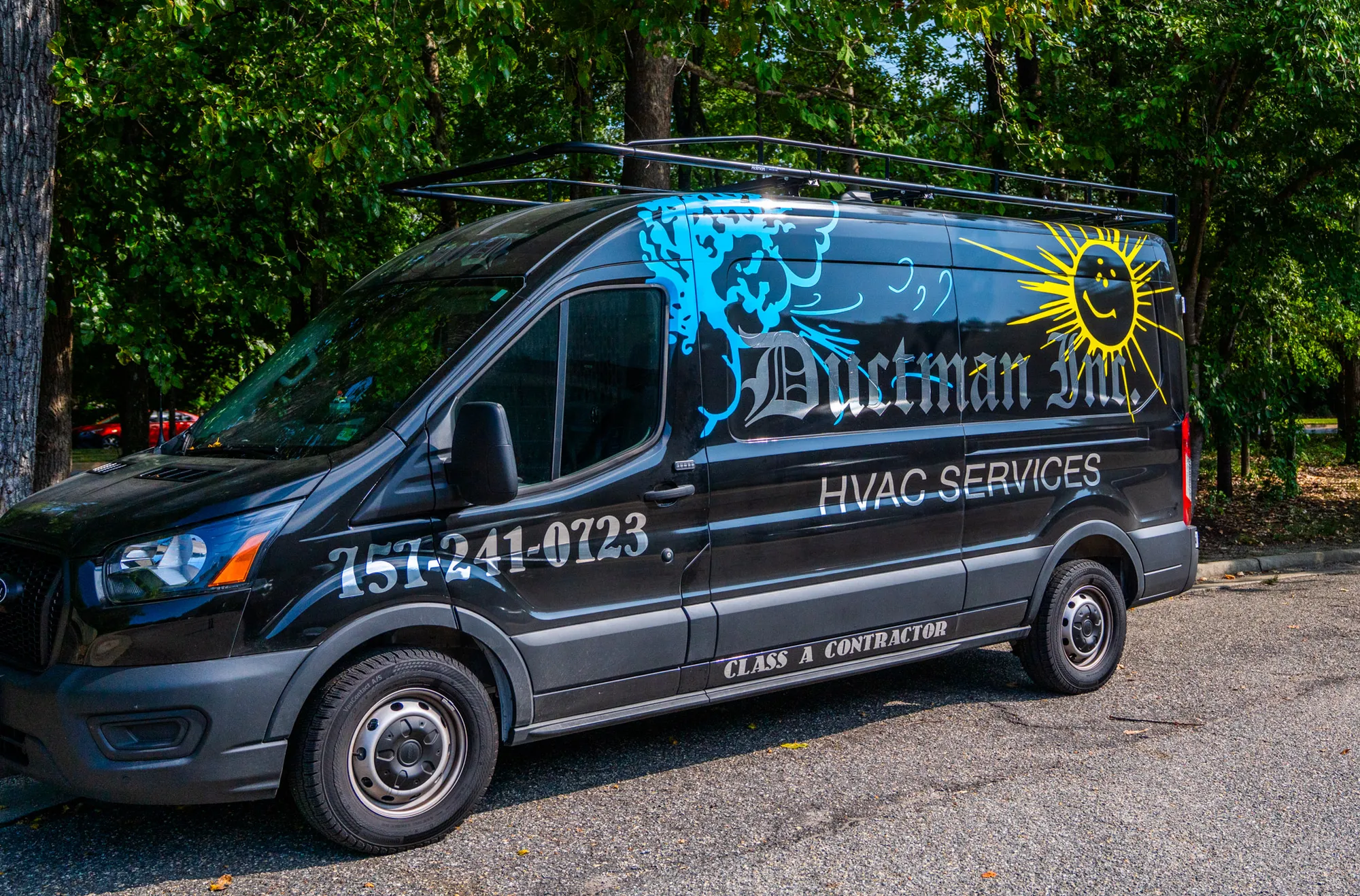
Commercial Gas Lines
New gas piping, extensions for added equipment, and leak repair for restaurants, warehouses, and commercial buildings across Hampton Roads. We size the line for everything it has to feed, pressure-test it, and coordinate it through inspection, under our own license, not a subcontractor’s.
Before you replace anything
When a building adds a fryer, a unit heater, or a new rooftop unit, the first instinct is often a new gas line. Sometimes that’s right. Often the existing piping can carry the added load with a properly sized extension, and sometimes it can’t carry what it already has, which nobody noticed until the new equipment started starving the old.
We calculate the full load on the system before recommending anything: every appliance, its demand, the length of the run, and the pressure available. Then we tell you whether the existing piping can handle it, what needs to change, and what doesn’t.
Installing a kitchen? Commercial Kitchen Hood Installation
What we do
Piping from the meter through the building to the equipment it serves, for new construction and renovations.
Extending existing piping to new kitchen equipment, unit heaters, rooftop units, and water heaters.
Locating and repairing leaks in existing piping and connections.
Testing new and modified piping before it’s placed in service and inspected.
Connecting and starting up gas-fired equipment, from cooking lines to rooftop heating sections.
Regulators and pressure settings matched to what the equipment requires.
If you smell gas, get everyone out of the building first. Call the gas company or 911 from outside, then call us.
Project path
Most commercial gas work is an addition: one more appliance on a line that already exists. The question is whether that line can carry it. Answering it takes a load calculation, not a guess based on the pipe size someone sees at the meter.
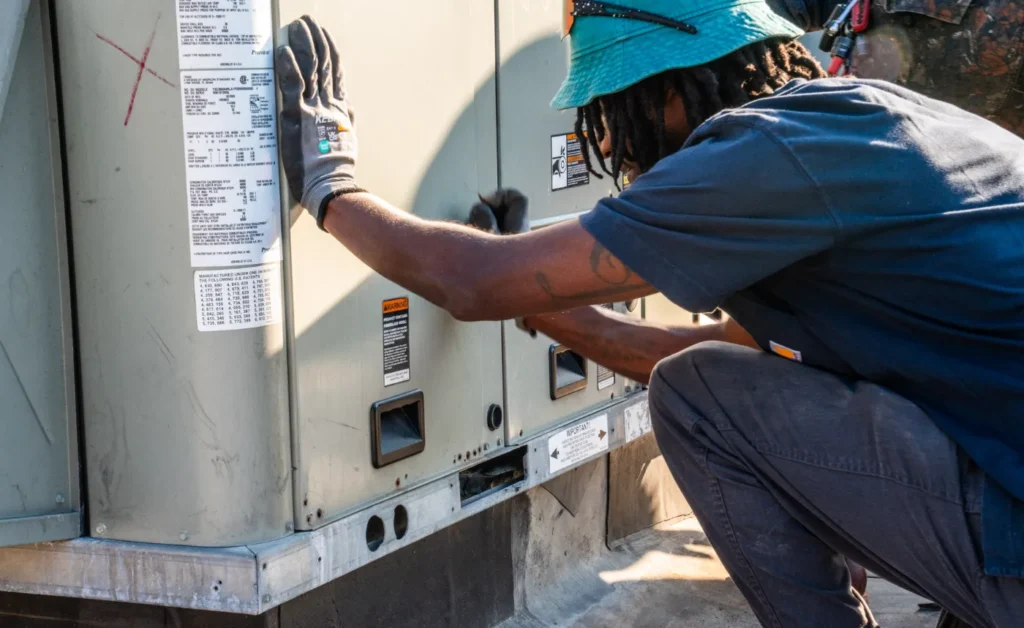
Existing piping has capacity
Leak repairs, relocated connections, and extensions to new equipment when the existing piping has the capacity. The right answer for most equipment additions.
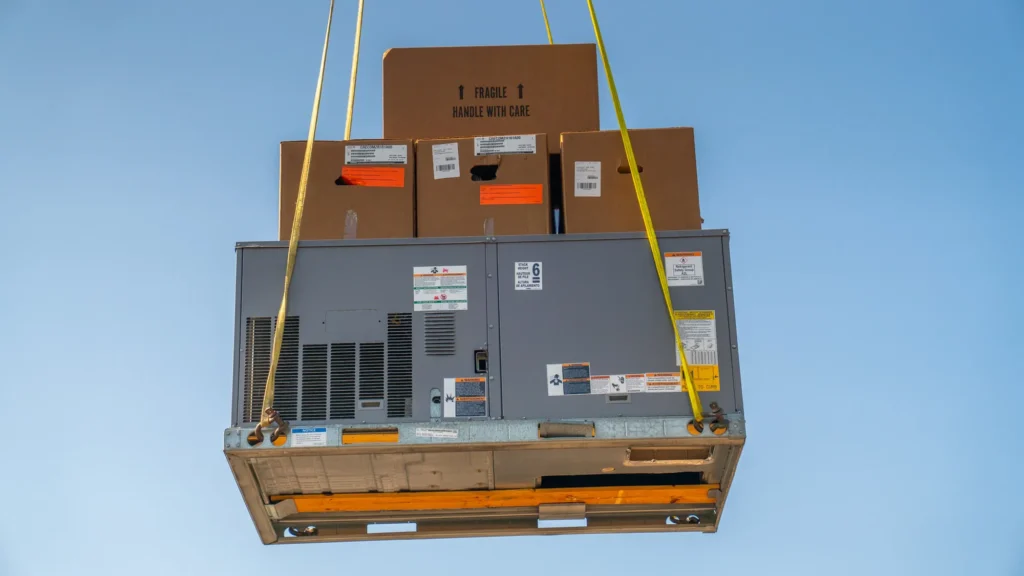
Sized for the full load
New construction, conversions to gas, and buildings whose existing piping can’t carry the load. Sized for every appliance it will serve, now and planned.
What’s included
The license, the calculation, the installation, and the test are all ours. No handoffs between an equipment installer and a gas subcontractor.
Every appliance’s demand, the length of the run, and available pressure, so the pipe is sized for the whole load.
Permits filed, and coordination with the gas utility where meter or service changes are involved.
Piping installed, supported, and protected to code, with materials suited to the application.
New and modified piping tested before it’s placed in service.
Appliances connected, lit, and verified at the correct pressure.
On site for inspection, with documentation for the owner, GC, or property manager.
How we coordinate
Most gas line extensions are done by tapping the nearest pipe and adding a tee. Nobody recalculates the system. It works on the day it’s connected, when the new appliance runs alone. Then the lunch rush starts, every burner on the line is lit, the heating section on the roof calls for heat, and the equipment at the end of the line doesn’t get enough gas to burn properly.
We calculate the whole system before we add to it: the total demand of every appliance on the line, the length of every run, and the pressure available at the meter. If the existing piping can carry the new load, we extend it. If it can’t, we tell you before the problem shows up as weak flames, nuisance shutdowns, or equipment that never quite performs.
Then we pressure-test what we installed and verify every appliance at its correct pressure.
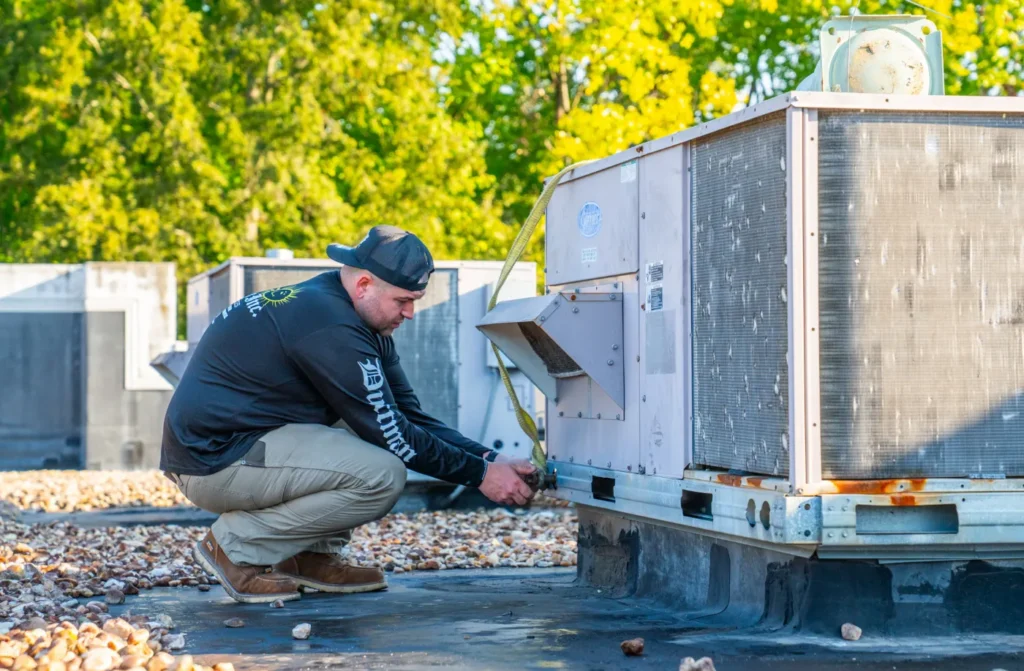
Our Process
Clear scope, no surprise charges, and work scheduled around your business.
Before we install anything
Existing piping, meter, pressure, and every appliance on the system, with the full load calculated.
Scope, materials, and schedule in writing, permits filed, and utility coordination arranged where needed.
Installation
New piping or extensions run, supported, and protected, with the gas shut off only as long as the work requires.
Pressure test on new and modified piping before anything is placed in service.
Before the doors open
Appliances connected, lit, and checked at the correct pressure.
On site for the inspection, with documentation for whoever needs it.
Gas licensing, plainly
In Virginia, gas piping work requires a licensed gas fitter working for a contractor licensed to perform it. That’s not a formality. Gas work done wrong doesn’t fail gradually the way a bad duct joint does, and the person connecting the line is responsible for whether it’s safe.
On commercial jobs, gas work often gets passed down a chain: the equipment supplier subcontracts the installer, the installer subcontracts the gas fitter, and the owner never meets the person who connected the line. When something goes wrong, the question of who’s accountable gets complicated fast.
We hold a Master Gas Fitter license, and our own technicians do the gas work on our jobs. The company that calculates the load, runs the pipe, and tests it is the same company you called. If you’re hiring anyone for gas work, ask to see the license.
A new fryer, range, unit heater, or rooftop unit means more load on your gas line. We’ll calculate whether your piping can carry it before the equipment arrives, so installation day isn’t when you find out.
Testimonials
Mike was very professional and thorough throughout the entire process. Haven’t felt with any HVAC service before Ductman and will never choose anything else now. Thank you for a great experience.

 Robert Clark
 Google review
Everyone was respectful, a pleasure to work with, and they got the job done in a timely fashion with a great quality of work. My house heats even better now than before. 10/10 I absolutely recommend them.
 James Maurmeier
Google review
Furnace went out on what seems like the coldest day so far this year. Chris answered our call and promptly sent out a technician to review the issue and provide an estimate. They were able to order and install the part quickly for a reasonable price. I would definitely call them again if we had another HVAC issue.
 Charisse
Google review
Our Work
FAQ
Yes. We hold a Master Gas Fitter license, and our own technicians perform the gas work on our jobs.
Get everyone out of the building first. Call the gas company or 911 from outside, then call us.
Yes. We calculate the full load first (every appliance, its demand, the length of the run, and the pressure available), then extend the existing piping if it can carry the new load, or tell you what has to change if it can’t.
Usually the piping can’t carry the full load. An extension that works when the new appliance runs alone can starve the equipment at the end of the line when every burner is lit and the heating section calls for heat.
Yes. New and modified piping is pressure-tested before it’s placed in service.
Yes, where meter or service changes are involved.
We install new gas piping for conversions to gas, sized for every appliance it will serve, now and planned.
We schedule the work around your business and keep the gas shut off only as long as the work requires.
Get Started
Tell us about the building and the equipment. We’ll calculate the load, tell you what your piping can carry, and handle the work under our own license.