A room suddenly stopped getting air
It was fine, and now there’s barely anything coming out of the vent. A sudden change usually means a run came disconnected, got crushed, or was knocked loose during other work under the house.
Ductwork Repair
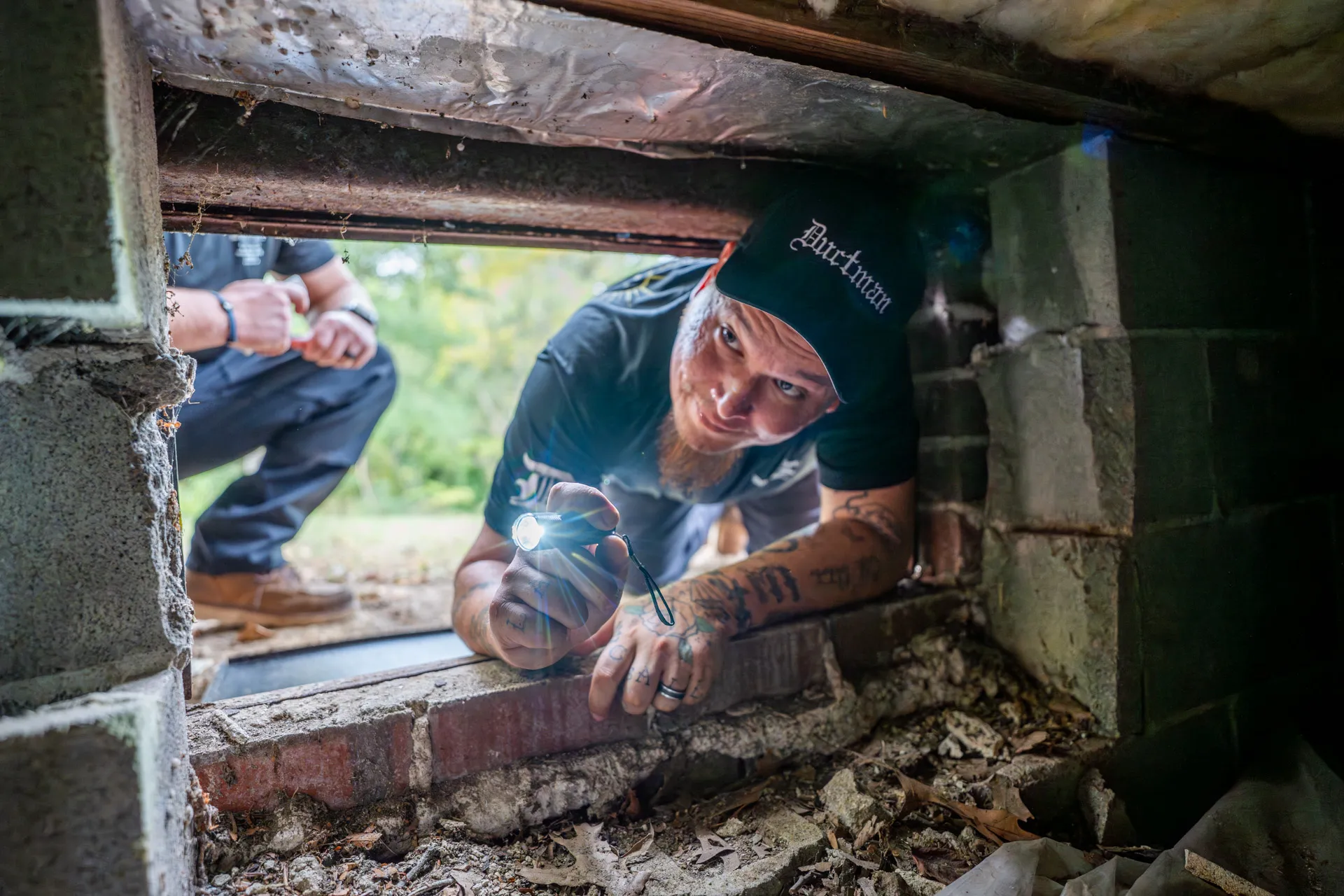
We find and repair disconnected runs, crushed sections, leaky joints, and failed insulation in crawlspaces and attics throughout Hampton Roads, then measure the airflow to make sure the problem is actually fixed.
Quoted new ductwork?
This is a common one: a room stopped cooling, another company checked the equipment and quoted a new system, or quoted all-new ductwork without ever getting under the house. Sometimes that’s the right call. Often it isn’t. A single disconnected run, a section of crushed flex, or a register boot that pulled away from the floor can starve a room of air while the equipment works perfectly.
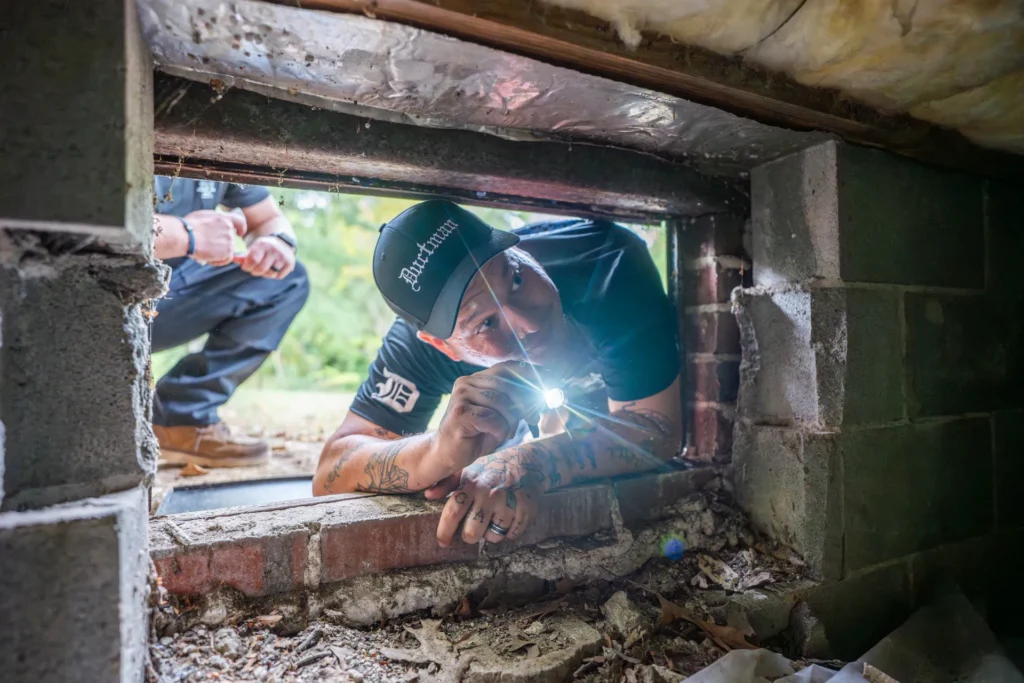
We’ll get under the house, find what’s actually wrong, and show you photos of it. If the other company was right, we’ll say so and explain why. If they weren’t, you just saved the cost of a system or a duct replacement you didn’t need.
Here are some common problems, what might be causing them, and when it’s time for a repair.
It was fine, and now there’s barely anything coming out of the vent. A sudden change usually means a run came disconnected, got crushed, or was knocked loose during other work under the house.
Whistling points to a leak or an undersized opening. Rattling is usually loose duct or a damper. A bang when the system starts is sheet metal flexing under pressure.
Condensation on the outside of the duct means the insulation has failed or was never sealed. That water soaks the insulation, rots the duct, and eventually reaches the framing.
The return side of the duct system is pulling air from a damp crawlspace through a gap or a failed connection. The system isn’t making the smell; it’s distributing it.
Debris coming through the registers means air is being pulled in from somewhere it shouldn’t be: a torn duct, a disconnected return, or a failing duct liner.
Repair Path
Most ductwork problems don’t mean you need an entirely new duct system. Disconnected runs, damaged sections, leaky joints, and missing insulation can usually be repaired for a fraction of the cost.
If the ducts were undersized or poorly designed from the start, repairs may only buy time. In those cases, replacing the system may be the better long-term investment. We’ll show you what we find and help you compare your options.
When to repair
Repair is often the better option when the duct system is well designed and something has come loose, been damaged, or worn out.
When to replace
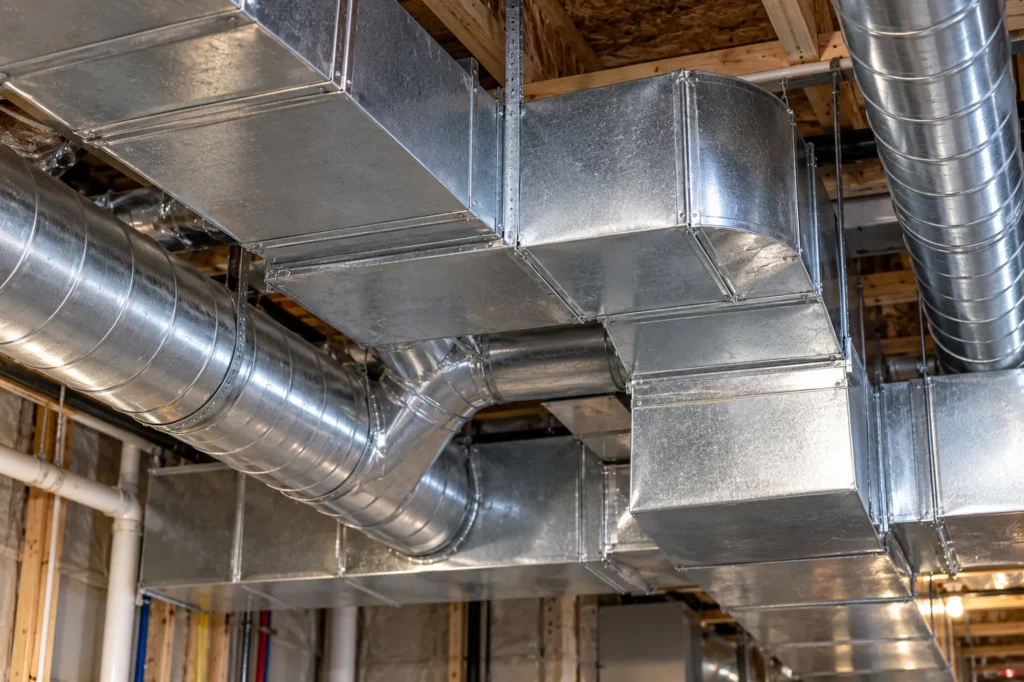
Replacement may make more sense if the ducts are undersized, poorly laid out, or failing in multiple places. A properly designed system can improve comfort and airflow throughout your home.
What we repair
Ductwork is the first half of our name. We work in tight coastal crawlspaces and hot attics every week, on rigid and flex duct alike.
Reattached at the takeoff or the boot, mechanically fastened, and sealed so they stay connected.
Replaced with properly sized duct, routed and supported so it doesn’t get crushed again.
Sealed with mastic rather than tape, which fails in crawlspace heat and humidity.
Restored or replaced to stop sweating and the moisture damage that follows.
Hung properly to get duct off the crawlspace floor and out of standing water.
Boots resealed to the floor or ceiling, and return-side leaks closed so the system stops pulling crawlspace air into the house.
Our Brands

























































How we diagnose
Most companies patch the section you pointed at and leave. But a room that isn’t getting air usually has more than one thing wrong between the equipment and the register, and fixing the first problem you find doesn’t mean the airflow comes back.
We get under the house and look at the whole run, not just the obvious damage. We measure static pressure and airflow at the registers before we start, photograph what we find, and make the repair. Then we measure again, so you know the room is actually getting more air rather than taking our word for it.
And if the equipment is part of the problem, we’ll say that too. We work on both, so we have no reason to blame either one.
Our Process
No surprise charges, and no work starts until you’ve said yes.
Before we get there
Which rooms are affected, whether the change was sudden or gradual, and anything you’ve heard, smelled, or seen. Recent work under the house is worth mentioning.
The system’s age, past repairs, and whether anyone else has already looked at it. If you’ve been quoted new ductwork or a new system, tell us.
The diagnostic visit
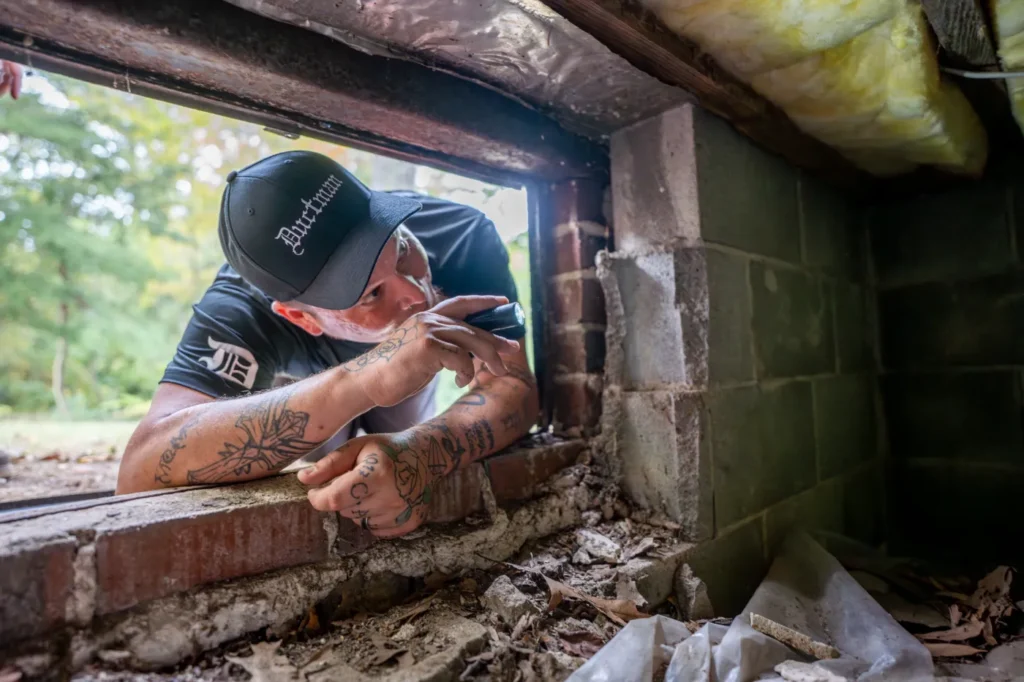
Crawlspace or attic, wherever the duct runs. Static pressure and airflow measured, the full run inspected, and photos taken so you see what we see.
What’s damaged, why it failed, what the repair involves, and what it costs. You decide before any work starts.
Before we pull out
Repair made, sealed, and supported, then airflow measured again at the affected registers so you know the repair worked.
If other sections are wearing out, you’ll hear about it plainly, with photos and no pressure to fix it today.
Duct Cleaning vs. Duct Repair, plainly
Duct cleaning and duct repair get confused constantly, partly because duct cleaning companies advertise heavily and partly because both involve the same part of the house. They solve different problems.
Cleaning removes dust and debris from inside the duct. It doesn’t reconnect a run that fell off, replace a crushed section, seal a leaking joint, or stop a duct from sweating in the crawlspace. If a room isn’t getting air, cleaning the duct that feeds it won’t change that, and a disconnected duct can’t be cleaned back into place.
So if your problem is airflow, comfort, sweating, or a musty smell from under the house, start with an inspection rather than a cleaning. We’ll tell you which one you actually need. Sometimes the answer is neither, and the equipment is the problem.
Testimonials
Mike was very professional and thorough throughout the entire process. Haven’t felt with any HVAC service before Ductman and will never choose anything else now. Thank you for a great experience.

 Robert Clark
 Google review
Everyone was respectful, a pleasure to work with, and they got the job done in a timely fashion with a great quality of work. My house heats even better now than before. 10/10 I absolutely recommend them.
 James Maurmeier
Google review
Furnace went out on what seems like the coldest day so far this year. Chris answered our call and promptly sent out a technician to review the issue and provide an estimate. They were able to order and install the part quickly for a reasonable price. I would definitely call them again if we had another HVAC issue.
 Charisse
Google review
Our Work
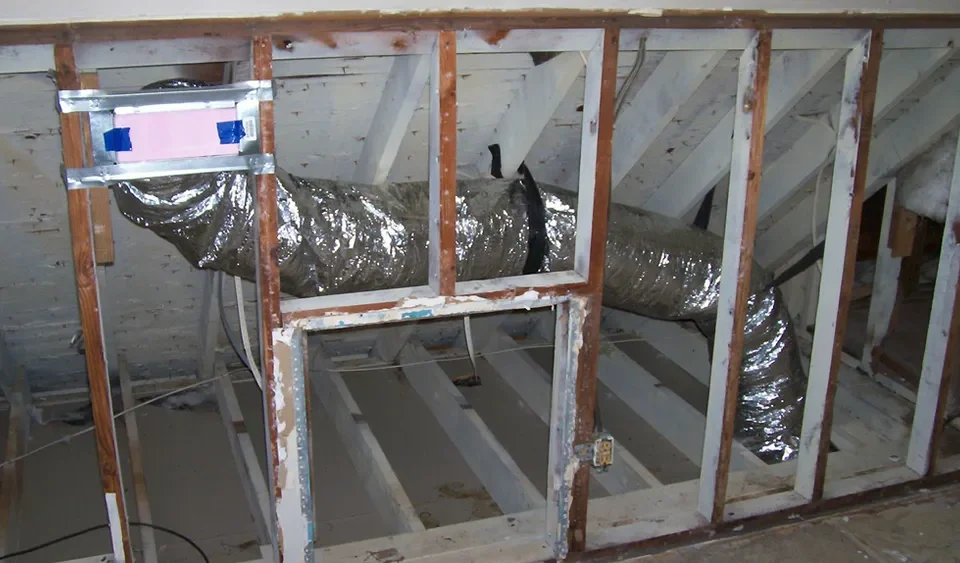
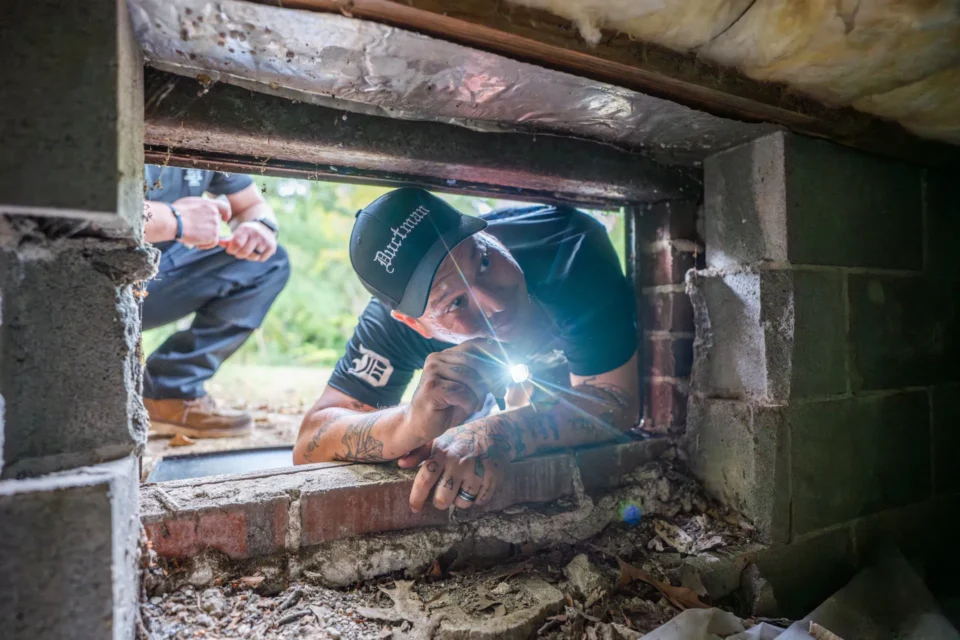
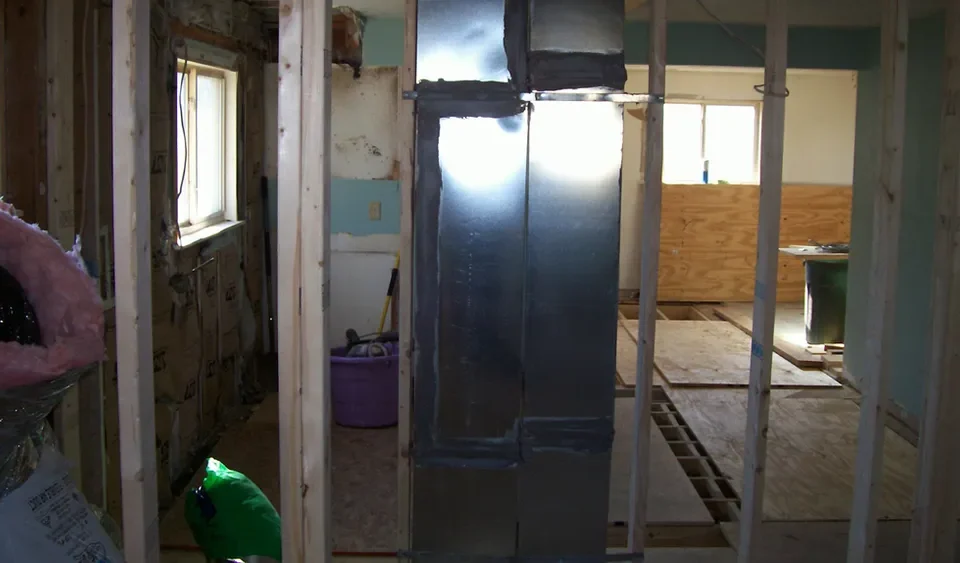
A maintenance visit that includes a look under the house can catch loose connections, sweating ducts, and failing insulation before a room stops cooling or moisture causes damage. Schedule a tune-up to keep your system running efficiently.
FAQ
It depends on what’s damaged and how hard it is to reach. Reconnecting one run in an accessible crawlspace is a small repair. Replacing several sections with two feet of clearance is a bigger one. We’ll tell you exactly what it costs before any work starts.
A sudden change usually means a run came disconnected, got crushed, or was knocked loose during other work under the house.
Condensation on the outside of the duct means the insulation has failed or was never sealed. That water soaks the insulation, rots the duct, and eventually reaches the framing.
Usually, when the design is sound. Reconnecting runs, replacing damaged sections, sealing joints, and restoring insulation fix most duct problems for a fraction of what a new duct system costs. When the trunk lines are undersized or the system was laid out wrong, repairs only buy time. We’ll price both options side by side.
Cleaning removes dust and debris from inside the duct; it doesn’t reconnect, replace, or seal anything. If your problem is airflow, comfort, sweating, or a musty smell from under the house, start with an inspection. We’ll tell you which one you actually need.
Not under the house. We seal joints and seams with mastic rather than tape, which fails in crawlspace heat and humidity.
Yes. We work in tight coastal crawlspaces and hot attics every week, on rigid and flex duct alike.
Yes. We’ll get under the house, find what’s actually wrong, and show you photos of it. If the other company was right, we’ll say so and explain why. If they weren’t, you just saved the cost of a duct replacement you didn’t need.
Get Started
Call us or send a request. We’ll get under the house, show you what we find, and explain your options in plain English.