Running, but not cooling or heating
Air is moving, but it isn’t cold or warm. Most often a refrigerant leak at a flare connection, a dirty coil, or a failed component in the outdoor unit.

Mini Split Repair and Cleaning
Plenty of companies will install a ductless system and then have no interest in coming back to fix it. We repair, maintain, and deep-clean mini splits from every major brand, and we diagnose the whole system before we touch anything, so you know what failed and what it’ll take to fix before any work starts.
Installer won’t come back?
Most of our mini split calls sound alike: the company that installed the system won’t come back, or another company read the error code, said the board was gone, and quoted a new head or a whole new system. Sometimes that’s the right call. Often it isn’t. A loose flare connection, a failed sensor, a clogged condensate line, or a communication wire between the head and the outdoor unit can all throw an error and shut a mini split down, and none of them require new equipment.
We’ll diagnose it independently and tell you what we find. If the other company was right, we’ll say so and explain why. If they weren’t, you just saved the cost of equipment you didn’t need.
Here are some common problems, what might be causing them, and when it’s time for a repair.
Air is moving, but it isn’t cold or warm. Most often a refrigerant leak at a flare connection, a dirty coil, or a failed component in the outdoor unit.
Almost always the condensate system: a clogged drain line, a head that’s no longer level, or a failed condensate pump. In a humid coastal climate, mini split drains clog constantly.
The system has detected a fault and shut itself down. The code tells you where to start looking, not what to replace. Sensors, wiring, and refrigerant problems all throw codes.
The blower wheel and coil inside the head are growing mold. Cleaning the filters won’t reach it. This needs a deep cleaning.
Ice on the head or the lines points to airflow or refrigerant. Rattling or grinding is usually a fan. Nothing at all is usually electrical or communication between the head and the outdoor unit.
Repair Path
Most mini split problems don’t mean you need a new system. Leaks at the line connections, faulty sensors, drain problems, fan motors, and dirty coils can usually be fixed with straightforward repairs.
For older systems, a failed compressor, discontinued parts, or several indoor heads failing at once can change the equation. We’ll explain what we find, compare costs, and help you decide what makes the most sense.
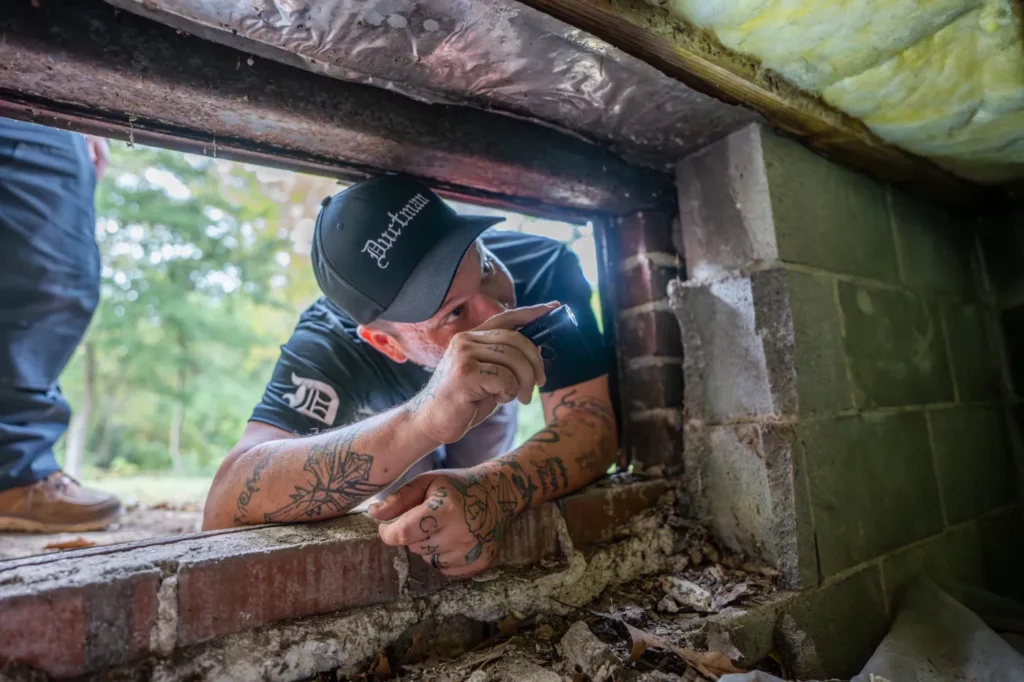
When to repair
Repair is often the better option when your system is relatively new, has been reliable, and the problem can be fixed at a reasonable cost.
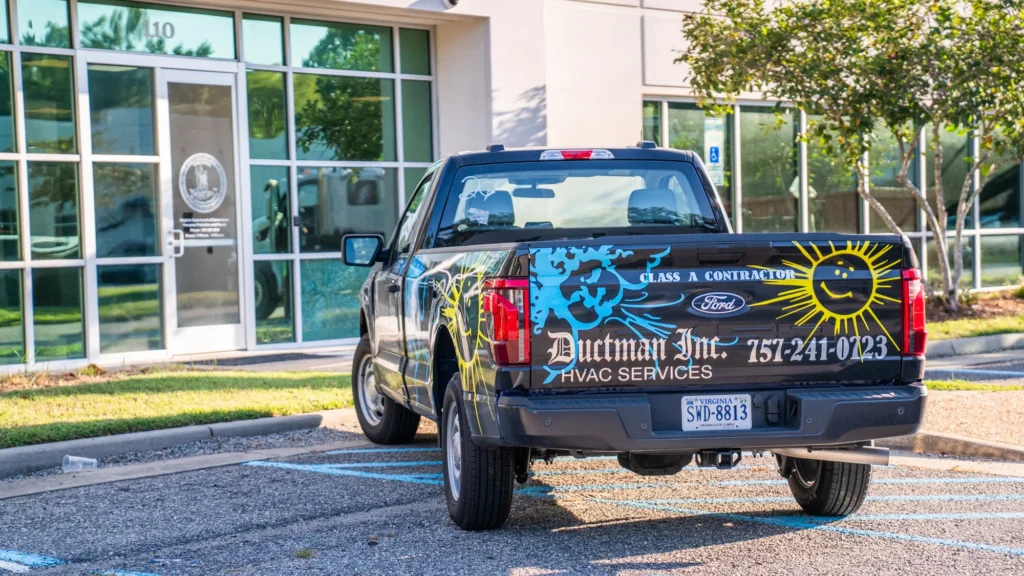
When to replace
Replacement may make more sense if your system is aging, needs frequent repairs, or parts are no longer available. A new system can also offer better efficiency and quieter operation.
What we repair
We repair and service every major ductless brand, whether we installed it or not. The goal on every call is to find what failed and fix it properly.
The most common mini split leak, and often a sign of an installation that wasn’t torqued or flared properly. Located, repaired, and verified before the system is recharged.
Cleared, re-pitched, or replaced so water leaves the wall instead of running down it.
Diagnosed to the actual fault rather than replacing whatever part the code names first.
Indoor and outdoor fans repaired or replaced, including blower wheels too caked to balance.
The connection between the indoor head and the outdoor unit. When it fails, the system can’t talk to itself and shuts down.
Coil and blower wheel cleaned inside the head, drain flushed, and the outdoor coil cleared. See below for what that actually involves.
Our Brands
























































How we diagnose
Most companies read the error code, replace the part the code points to, and leave. But an error code tells you what the system noticed, not what caused it. A sensor fault can be a bad sensor, a loose wire, or a coil that’s running too cold because of a refrigerant leak. Replace the sensor and the code comes back.
We check the whole system before we fix anything: refrigerant pressures, flare connections, electrical and communication wiring, sensors, airflow at every head, and the condensate system. Then we tell you what failed and why it failed.
On a multi-zone system, that means checking every zone, not just the one that complained.
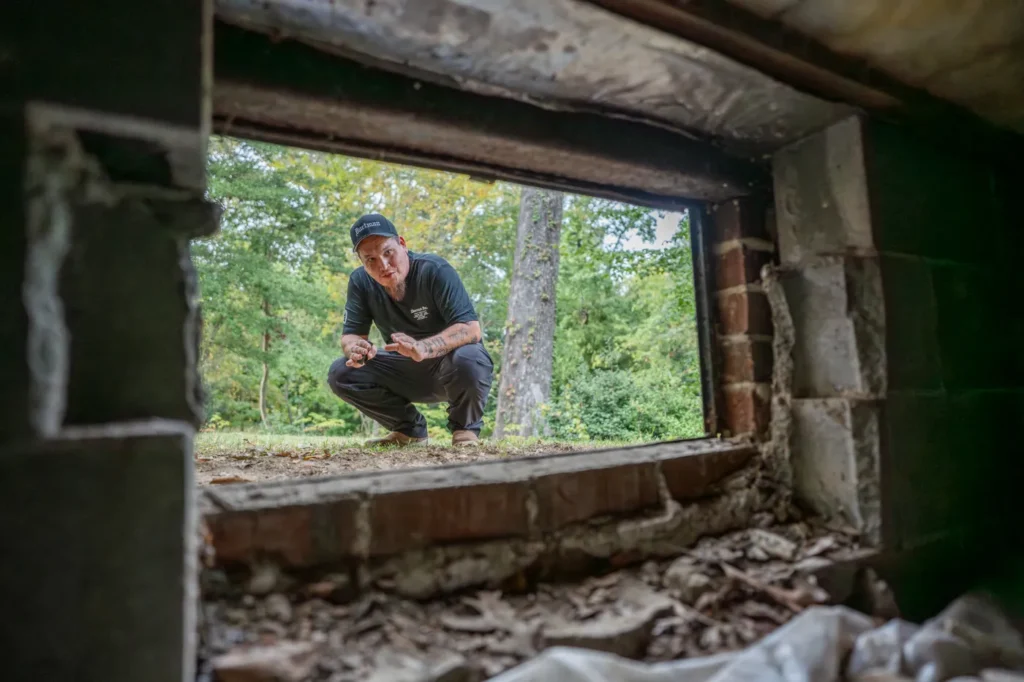
Our Process
No surprise charges, and no work starts until you’ve said yes.
Before we get there
What you’re seeing, hearing, and smelling, and any error code or blinking-light pattern. A photo of the display helps.
The system’s age, brand, number of zones, past repairs, and whether anyone else has already looked at it. If you’ve been quoted a replacement, tell us.
The diagnostic visit
A full system check across every zone: refrigerant, flare connections, wiring, sensors, airflow, and drainage.
What failed, why it failed, what the repair involves, and what it costs. You decide before any work starts.
Before we pull out
Repair made, then every zone run and checked in heating and cooling, so you know the whole system is working rather than just the head that complained.
If a head needs cleaning or something else is wearing out, you’ll hear about it plainly, with no pressure to fix it today.
Mini Split Cleaning, plainly
Inside every wall-mounted head is a coil and a blower wheel (a long, finned cylinder that spins to push air into the room). Both stay damp whenever the system is cooling, and in a coastal climate that’s most of the year. Dust that gets past the filters sticks to them, and mold grows on what sticks. That’s the musty smell when the system starts, and the black specks that sometimes blow out of the vent.
Washing the filters helps, and you should keep doing it. But the filters sit in front of the coil, and the blower wheel sits behind it. Neither can be reached by wiping or spraying from the front of the unit. Most “cleanings” stop there.
A deep cleaning means bagging the head, washing the coil and blower wheel with the right cleaner and low-pressure water, flushing the drain, and clearing the outdoor coil. It restores airflow, removes what’s been growing in there, and usually brings back cooling capacity people assumed was a repair problem.
Testimonials
Mike was very professional and thorough throughout the entire process. Haven’t felt with any HVAC service before Ductman and will never choose anything else now. Thank you for a great experience.

 Robert Clark
 Google review
Everyone was respectful, a pleasure to work with, and they got the job done in a timely fashion with a great quality of work. My house heats even better now than before. 10/10 I absolutely recommend them.
 James Maurmeier
Google review
Furnace went out on what seems like the coldest day so far this year. Chris answered our call and promptly sent out a technician to review the issue and provide an estimate. They were able to order and install the part quickly for a reasonable price. I would definitely call them again if we had another HVAC issue.
 Charisse
Google review
Our Work

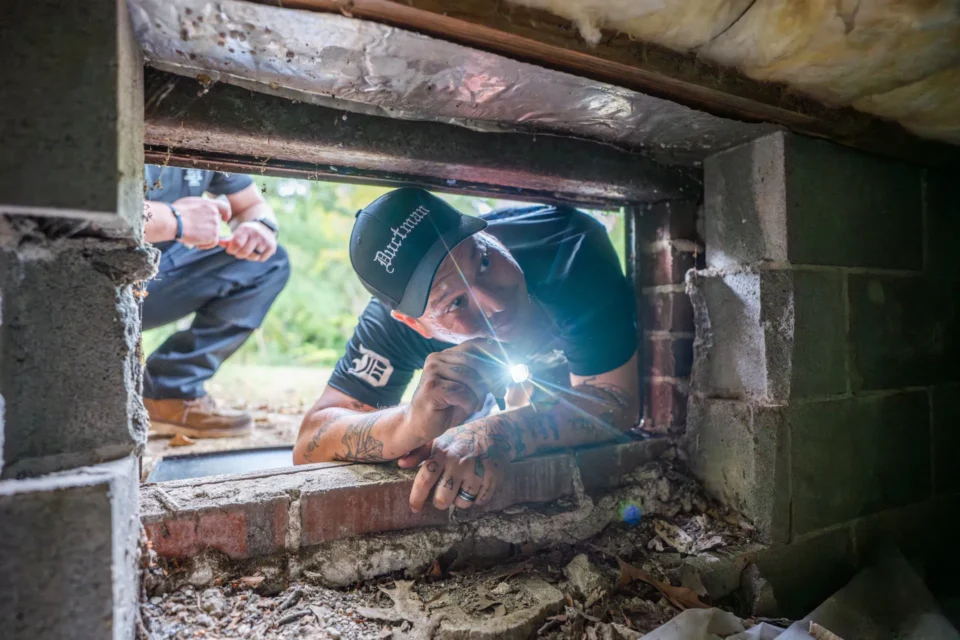
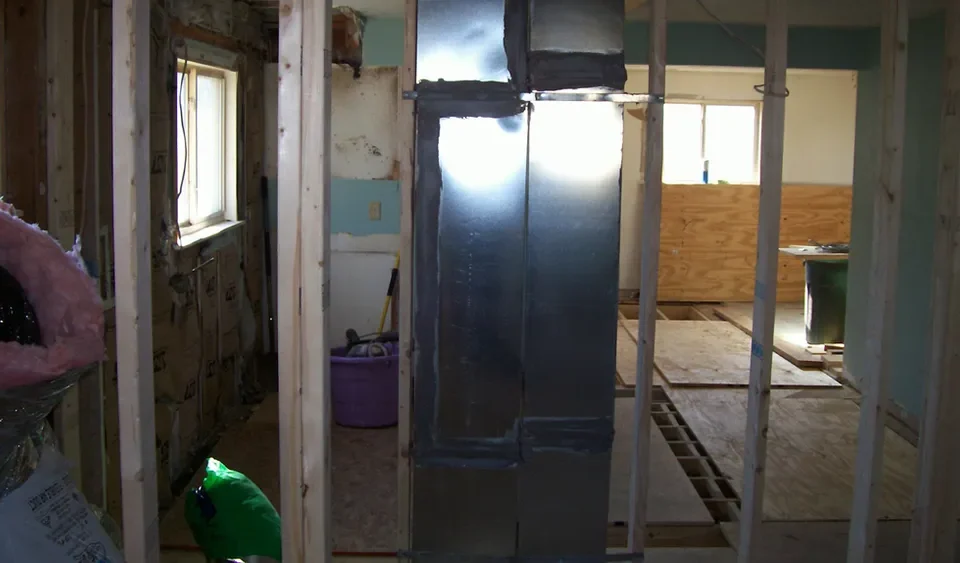
Clogged drains, dirty coils, and caked blower wheels usually give warning before they shut a mini split down. A maintenance visit catches them while they’re small. Financing is also available on larger repairs.
FAQ
It depends entirely on what failed. A clogged drain or a sensor is a small repair. A refrigerant leak depends on where it is. A compressor is the expensive one. We’ll tell you exactly what it costs before any work starts.
It’s almost always the condensate system: a clogged drain line, a head that’s no longer level, or a failed condensate pump. In a humid coastal climate, mini split drains clog constantly.
It means the system detected a fault and shut itself down. The code tells you where to start looking, not what to replace: a sensor fault can be a bad sensor, a loose wire, or a coil running too cold because of a refrigerant leak. A photo of the display helps when you call.
The coil and blower wheel inside the head stay damp whenever the system is cooling, dust that gets past the filters sticks to them, and mold grows on what sticks. Washing the filters can’t reach either one. It needs a deep cleaning.
Yes. We repair, maintain, and deep-clean mini splits from every major brand, whether we installed the system or not.
Most mini splits we’re called out to fix should be fixed. A failed compressor on an older outdoor unit, a discontinued model with no parts available, or a multi-zone system with several heads failing at once can tip the numbers the other way. When that’s the case, we’ll show you both numbers side by side.
Yes. On a multi-zone system we check every zone, not just the one that complained, and after the repair every zone is run and checked in heating and cooling.
Get Started
Call us or send a request. We’ll find what actually failed, explain your options in plain English, and get your house cool again.