Skip to content

Wall Hung & Through-Wall Units

Wall unit replacement that reuses the opening you already have.

We repair and replace through-wall units, PTACs, wall furnaces, and vertical packaged systems. In most cases the existing sleeve or wall opening can stay, which keeps the replacement quick and the wall intact.

  • Serving Hampton Roads since 2003
  • 20+ years experience
  • Master HVAC licensed
  • Master Gas licensed
  • Class A contractor
  • Financing available

Which one do you have?

Is this what’s in your wall?

“Wall unit” covers several different pieces of equipment, and they’re easy to mix up. If one of these looks like yours, you’re in the right place, and if you’re not sure, send us a photo and we’ll tell you.

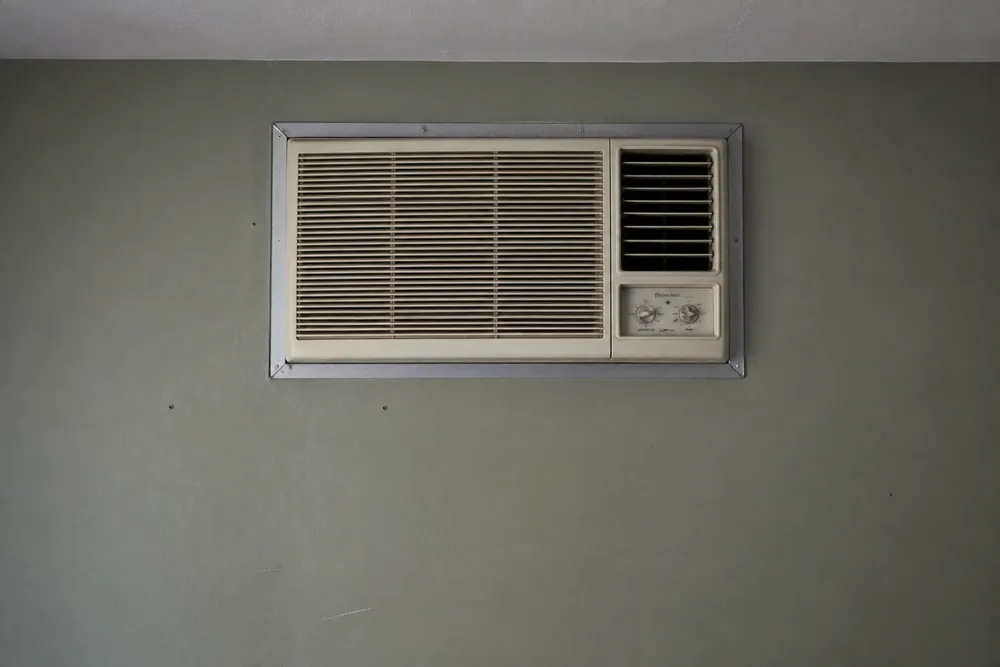
  • Through-wall air conditioner in an exterior wall

    Through-wall air conditioner

    Permanently installed through an exterior wall in a metal sleeve. Looks like a window unit but doesn’t sit in a window. Common in condos, townhomes, and additions.

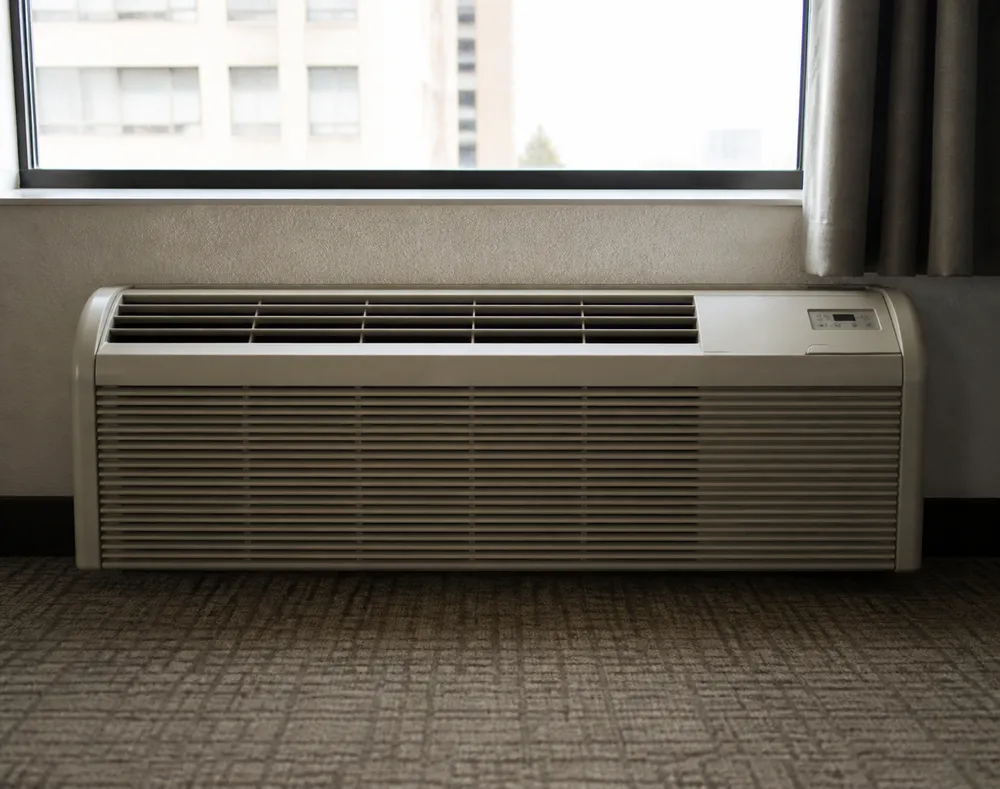
  • PTAC unit under a window

    PTAC

    Packaged terminal air conditioner. The unit you’d recognize from a hotel room, usually running along the floor under a window. Heats and cools from one chassis.

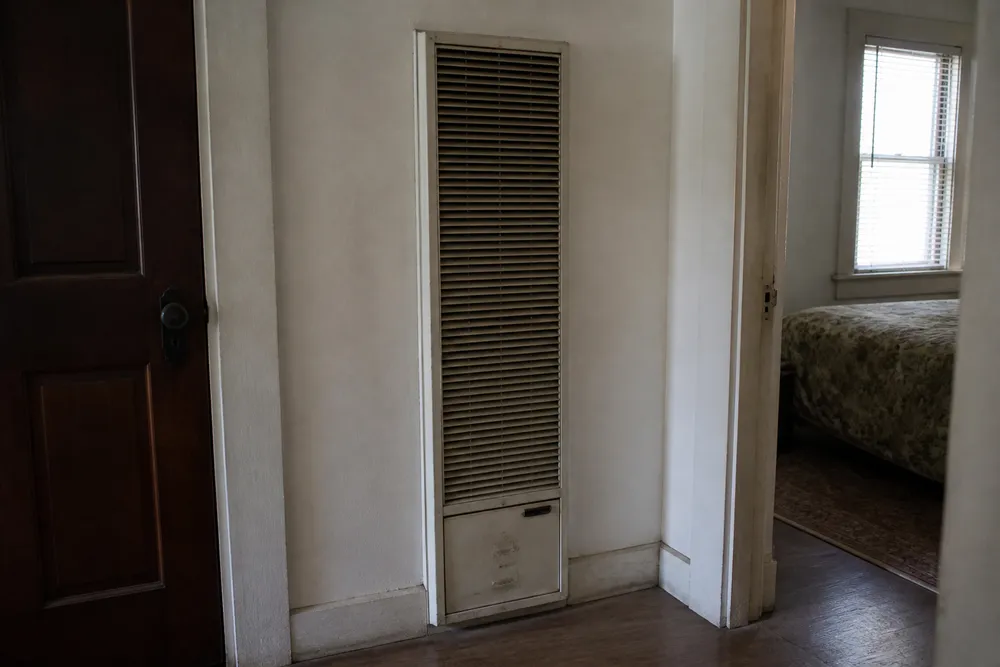
  • Wall furnace set into a hallway wall

    Wall furnace or wall heater

    Heating only, mounted in or against an interior wall. Found in older homes, additions, and small spaces without ductwork.

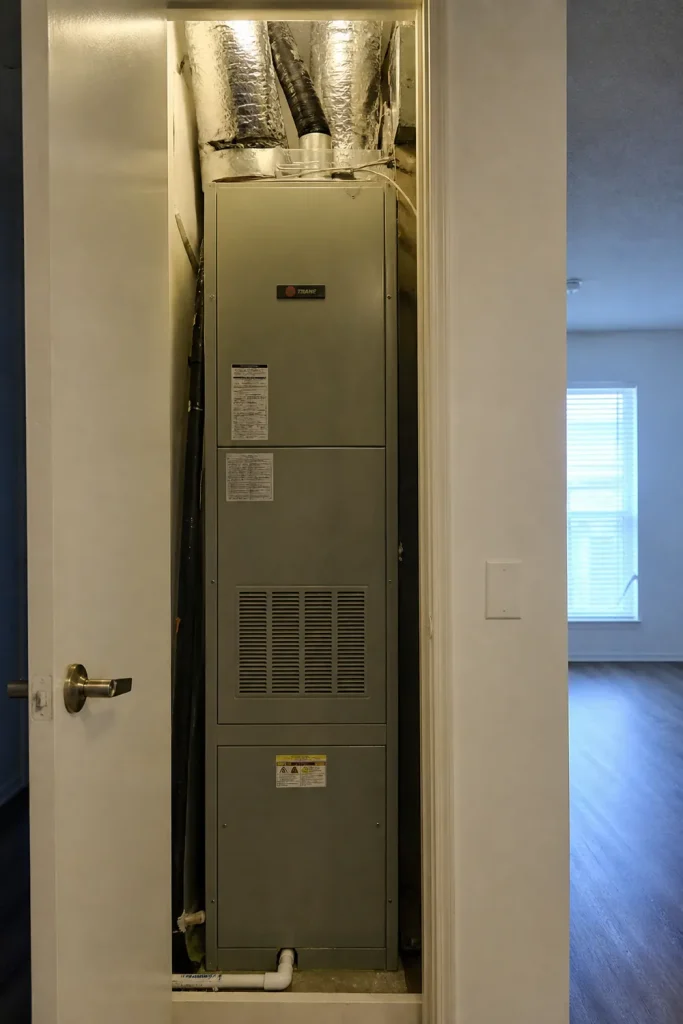
  • Vertical packaged HVAC unit in a closet

    Vertical packaged unit

    A tall cabinet housing a complete system, usually in a closet or utility space, venting through an exterior wall. Common in apartments and small commercial suites.

Before you replace anything

Make sure your wall unit is actually done.

Wall units get replaced more often than they need to be, usually because it’s easier than diagnosing them. Most residential HVAC companies don’t stock the parts, don’t work on this equipment regularly, and would rather sell you a new chassis than spend an hour figuring out what failed.

A bad capacitor, a failed fan motor, a clogged condensate pan, or a control problem doesn’t require new equipment. We diagnose before we quote, the same as we would on any other system.

And when it does need replacing, the wall opening usually doesn’t. Reusing a sound sleeve is the difference between an afternoon and a construction project.

Not sure it’s dead? Start with HVAC repair

Five signs it’s actually time.

Here are some common signs, what they usually mean, and when it’s time to replace.

  1. The sleeve is rusted or the seal has failed

    On through-wall equipment, water finding its way in around the sleeve does more damage than the unit failing. If the wall around the opening is stained or soft, that gets addressed before any new equipment goes in.

  2. Parts are no longer available

    Older through-wall and PTAC equipment from discontinued lines can become unserviceable. We’ll tell you when we’ve hit that wall rather than stringing out repairs.

  3. The compressor has failed

    On a chassis this size, the compressor is most of the unit’s value. Replacing it rarely makes sense against the cost of new equipment.

  4. It’s 10-15+ years old and running constantly

    This equipment works hard in a small envelope, and coastal humidity is unkind to it. Efficiency falls off well before the unit actually stops.

  5. Water is getting into the room

    Condensate that isn’t draining properly will find the floor, the wall, or the framing. Sometimes that’s a drain repair. Sometimes it’s a unit that has rusted through internally.

Replacement Path

Replace the unit or change the approach?

Most of the time, a like-for-like replacement into the existing sleeve is the right answer. It’s the fastest job, the least disruptive, and it doesn’t touch the wall.

But this equipment exists because of a constraint, and sometimes the constraint has changed. A room that now has attic or crawlspace access, or a condo where a ductless line set can be routed, may do better on different equipment entirely. It’s worth knowing whether that applies before you replace like for like.

  • Through-wall air conditioner in an exterior wall

    Direct replacement

    New unit, existing opening

    A new chassis into the sleeve you already have. Sleeve inspected and resealed, condensate corrected, electrical verified. The right answer for most wall unit properties, and by far the least disruptive.

    What we install
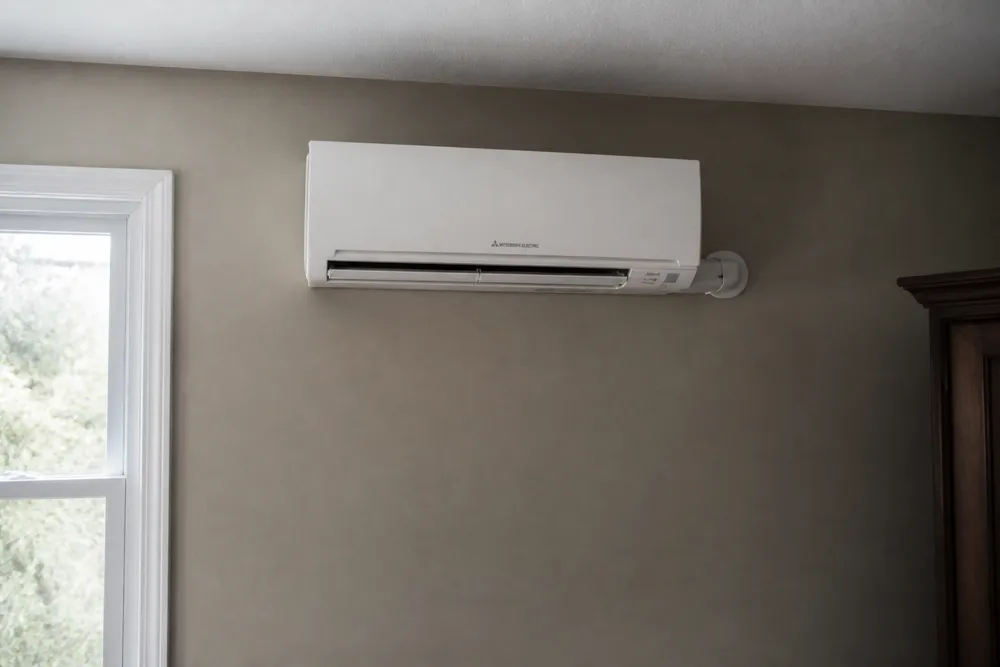
  • Ductless mini split head mounted on a wall

    Change of configuration

    Switch to ductless

    A mini split head with the line set routed through a small penetration instead. Quieter, more efficient, and it frees the wall opening, though it requires a place to put the outdoor unit.

    Mini Split Installation

What We Install

The equipment, and the work around it.

This is equipment most residential HVAC companies have quietly stopped handling: the parts aren’t on the truck, the sleeves are non-standard, and the jobs are small. We’ve kept doing it, which is usually why people find us.

Request service
  • Through-wall air conditioners and heat pumps

    Direct chassis replacement into existing sleeves, and new installations where the opening has to be created.

  • PTAC units

    Replacement and repair for hotel-style packaged terminal equipment in condos, additions, and small commercial spaces.

  • Wall furnaces and wall heaters

    Gas and electric wall-mounted heating, including the gas connections and venting. We hold the Master Gas Fitter license, so that work is ours.

  • Vertical packaged units

    Closet-mounted complete systems with through-wall venting, common in apartments and small suites.

  • Sleeve work and wall penetrations

    Inspecting, resealing, replacing, or creating the opening itself, including flashing and weatherproofing.

  • Condensate, electrical, and controls

    Drainage corrected and routed properly, dedicated circuits verified, and controls that work with what you actually have.

  • Sleeve and penetration work
  • Master Gas licensed
  • Load calculation
  • Condensate and electrical

Our Brands

Brands we install and service

  • Tempstar
  • Arcoaire
  • LG
  • York
  • Weather King
  • Amana
  • Westinghouse
  • White-Rodgers
  • Toshiba
  • Coleman
  • Rinnai
  • The Unico System
  • Goodman
  • Whirlpool
  • Robertshaw
  • SpacePak
  • Fujitsu
  • Ruud
  • Carrier
  • Lennox
  • Rehau
  • Samsung
  • WaterFurnace
  • Honeywell
  • Bryant
  • Lochinvar
  • Panasonic
  • Day & Night
  • Weil-McLain
  • Mitsubishi Electric
  • Trane
  • Armstrong Air
  • Heil
  • Reznor
  • ClimateMaster
  • Trion
  • Sanyo
  • Bosch
  • Luxaire
  • Tappan
  • Comfortmaker
  • Payne
  • American Standard
  • Bard
  • First Co.
  • Modine
  • Frigidaire
  • Rheem
  • Gibson
  • Broan
  • NuTone
  • Comfort-Aire
  • Burnham
  • Nordyne
  • Maytag
  • Aprilaire
  • Ducane

Sizing the wall opening

Sized for the room, fitted to the opening.

A lot of wall unit replacements are sized by ordering whatever fits the hole. That’s shopping, not sizing, and it’s how a room ends up with equipment that runs constantly or short-cycles all summer.

We measure the space and calculate what it actually needs: square footage, ceiling height, window area and orientation, insulation, and what’s on the other side of every wall. In a condo or an addition, one wall of west-facing glass changes the answer more than the square footage does. Oversized equipment in a small room is the most common problem we find on this equipment. It cools the air in minutes, shuts off before it removes any humidity, and leaves the room cold and damp.

Then we check the opening itself. Sleeve dimensions vary by manufacturer and era, and a chassis that doesn’t match the sleeve properly is a leak waiting to happen. Getting that right is what keeps a replacement from becoming wall repair a year later.


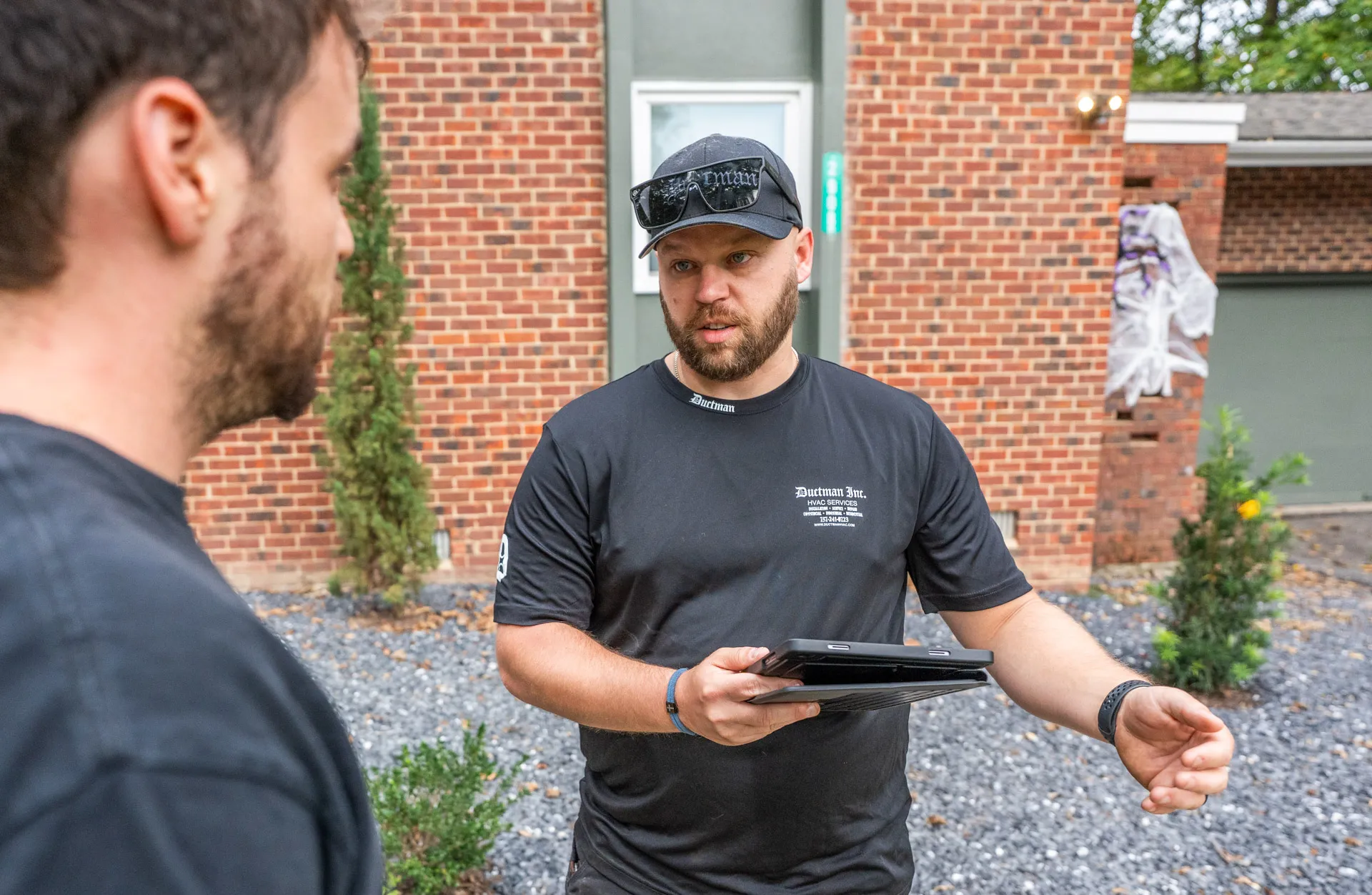
Ductman HVAC technician documenting an HVAC inspection on a tablet

Our Process

What’s included, start to finish.

Every replacement includes all of it. No line items that show up later as extras.

Before we order anything

  1. We measure the room and the opening

    Load calculation for the space, plus sleeve dimensions and condition, so the equipment fits the room and the wall.

  2. We check the electrical and the drainage

    Circuit capacity, voltage, and where the condensate is actually going. Both are common failure points and both are cheaper to solve before install day.

The day it goes in

  1. We remove the old unit

    Old chassis out, refrigerant recovered where applicable, and the equipment disposed of properly.

  2. We install and seal

    New unit set, sleeve inspected and resealed, exterior flashing and weatherproofing verified, condensate routed, and the system tested in every mode it has.

Before we pull out

  1. We register the warranty

    Filed for you. Most manufacturers require it, and most people never get around to it.

  2. We walk you through it

    How the controls work, what the filter needs and how often, and your questions answered before we leave.

Wall units, plainly

Why the hole in your wall matters more than the unit in it.

A through-wall system has two parts that outlive each other on very different schedules. The chassis (the machine that slides in and out) is a piece of equipment with a compressor and a fan, and it wears out in ten to fifteen years. The sleeve is the metal box built into your wall that holds it, and if it was installed and flashed correctly, it can last as long as the building.

That’s good news, because the sleeve is the part that’s expensive to change. Replacing a chassis is an afternoon. Replacing a sleeve means opening the wall, dealing with whatever the water has been doing behind it, and putting the exterior back together.

So the first thing we look at isn’t the unit. It’s whether the opening around it is sound, draining, and sealed, because a new chassis dropped into a failing sleeve just puts a nicer machine in front of the same problem.

Testimonials

Hear from our customers.

  • Mike was very professional and thorough throughout the entire process. Haven’t felt with any HVAC service before Ductman and will never choose anything else now. Thank you for a great experience.

    Robert Clark Google review
  • Everyone was respectful, a pleasure to work with, and they got the job done in a timely fashion with a great quality of work. My house heats even better now than before. 10/10 I absolutely recommend them.

    James Maurmeier Google review
  • Furnace went out on what seems like the coldest day so far this year. Chris answered our call and promptly sent out a technician to review the issue and provide an estimate. They were able to order and install the part quickly for a reasonable price. I would definitely call them again if we had another HVAC issue.

    Charisse Google review

Our Work

Recent work

View our work

Financing & Payment

A new system is rarely a purchase anyone planned for. Financing is available, and we offer a cash discount if you’d rather not finance. We’ll lay out both so you can see the real difference.

See financing options

FAQ

Frequently asked questions

What’s the difference between a through-wall unit and a window unit?

A through-wall unit is permanently installed in a metal sleeve built into the wall. A window unit sits in a window opening and comes out seasonally. They look similar, but they’re not interchangeable: a window unit installed in a wall sleeve will overheat, because it needs side airflow the sleeve blocks.

Can you replace my unit without replacing the sleeve?

In most cases, yes. If the sleeve was installed and flashed correctly it can last as long as the building, so a new chassis goes into the opening you already have, inspected and resealed first. We check the sleeve’s dimensions and condition, because a chassis that doesn’t match the sleeve is a leak waiting to happen.

How much does a wall unit replacement cost?

It depends mainly on whether the existing sleeve can be reused, since that’s the difference between an afternoon and a construction project. The equipment the room needs, the electrical, and the drainage factor in too. We measure the room and the opening first, then give you a real figure.

Do you work on PTAC units?

Yes. Replacement and repair for hotel-style packaged terminal equipment in condos, additions, and small commercial spaces.

My unit is leaking water inside. What causes that?

Usually condensate that isn’t draining properly, or water getting in around a sleeve whose seal has failed. Sometimes that’s a drain repair; sometimes it’s a unit that has rusted through internally. Either way it’s worth dealing with quickly, because the water finds the floor, the wall, or the framing.

Should I switch to a mini split instead?

Sometimes. A mini split head with the line set routed through a small penetration is quieter, more efficient and frees the wall opening, but it needs a place for the outdoor unit. For most wall-unit properties, a like-for-like replacement into the existing sleeve is still the right answer.

Do you work on wall furnaces?

Yes. Gas and electric wall-mounted heating, including the gas connections and venting. We hold the Master Gas Fitter license, so that work is ours.

Do you offer financing?

Yes. Financing is available, and we offer a cash discount if you’d rather not finance. We’ll lay out both so you can see the real difference.

Get Started

Let’s take a look at what’s in your wall.

Whether it turns out to be a repair, a new chassis, or a sleeve problem nobody’s mentioned, you’ll get a straight answer and your options in plain English.