Heating
Blowing cold air in heat mode
Most often a reversing valve stuck in cooling position, low refrigerant from a leak, or a unit that’s mid-defrost. A few minutes of cool air during defrost is normal. Cold air that doesn’t stop isn’t.
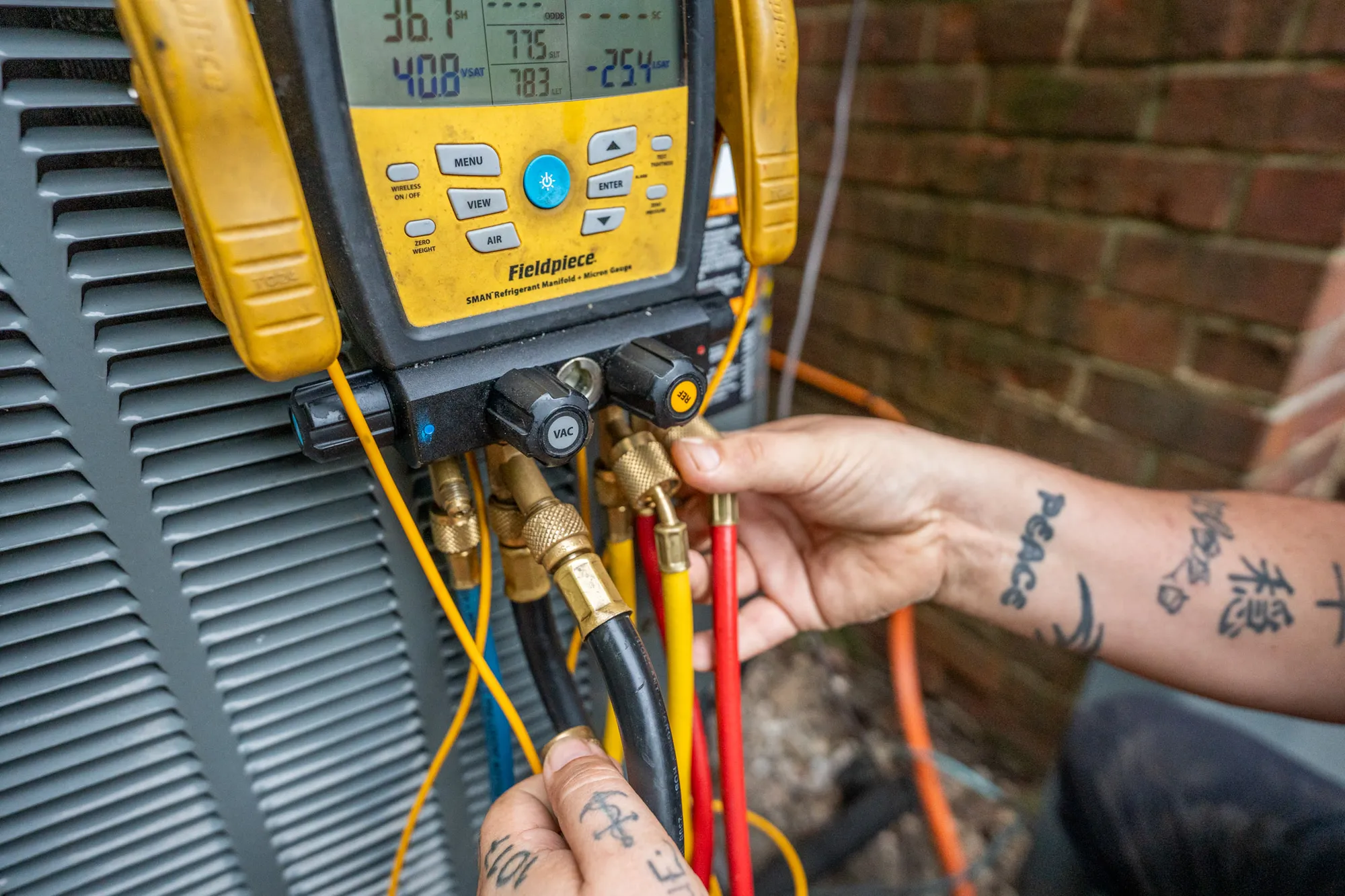
Heat Pump Repair
Having trouble with your heat pump? Whether it’s struggling to heat your home, blowing warm air in cooling mode, or not turning on at all, our technicians can identify the problem and get your system working properly. We diagnose and repair a wide range of heat pump issues, including refrigerant leaks, electrical failures, airflow problems, and defrost system malfunctions.
Quoted a new heat pump?
We hear this one every winter: another company came out, saw a heat pump that wasn’t heating, and quoted a full replacement. Sometimes that’s the right call. Often it isn’t. A failed defrost board, a stuck reversing valve, a bad sensor, or a refrigerant leak at a single fitting can all leave a heat pump blowing cold air, and none of them require new equipment.
We’ll diagnose it independently and tell you what we find. If the other company was right, we’ll say so and explain why. If they weren’t, you just saved the cost of a system you didn’t need.
Here are some common problems, what might be causing them, and when it’s time for a repair.
Most often a reversing valve stuck in cooling position, low refrigerant from a leak, or a unit that’s mid-defrost. A few minutes of cool air during defrost is normal. Cold air that doesn’t stop isn’t.
Backup heat is meant for the coldest nights, not every day. If it’s carrying the house through ordinary winter weather, the heat pump isn’t keeping up, and you’re paying resistance-heat rates while it doesn’t.
Some frost on the coil in winter is normal, and the defrost cycle clears it. A unit encased in ice that won’t clear points to a failed defrost board, a bad sensor, a fan problem, or low refrigerant.
The same failures that stop an air conditioner: capacitors, contactors, refrigerant leaks, dirty coils, and fan motors. A heat pump is an air conditioner for half the year.
Nothing at all usually means electrical: a breaker, a contactor, a thermostat that isn’t calling. Switching on and off every few minutes points to refrigerant, airflow, a failing component, or a system sized wrong from the start.
Repair Path
Not every heat pump problem requires a new system. The best decision depends on your equipment’s age, overall condition, repair costs, and how reliably it’s been heating and cooling your home.
We’ll help you evaluate your options and determine whether repairing or replacing your heat pump makes the most sense.
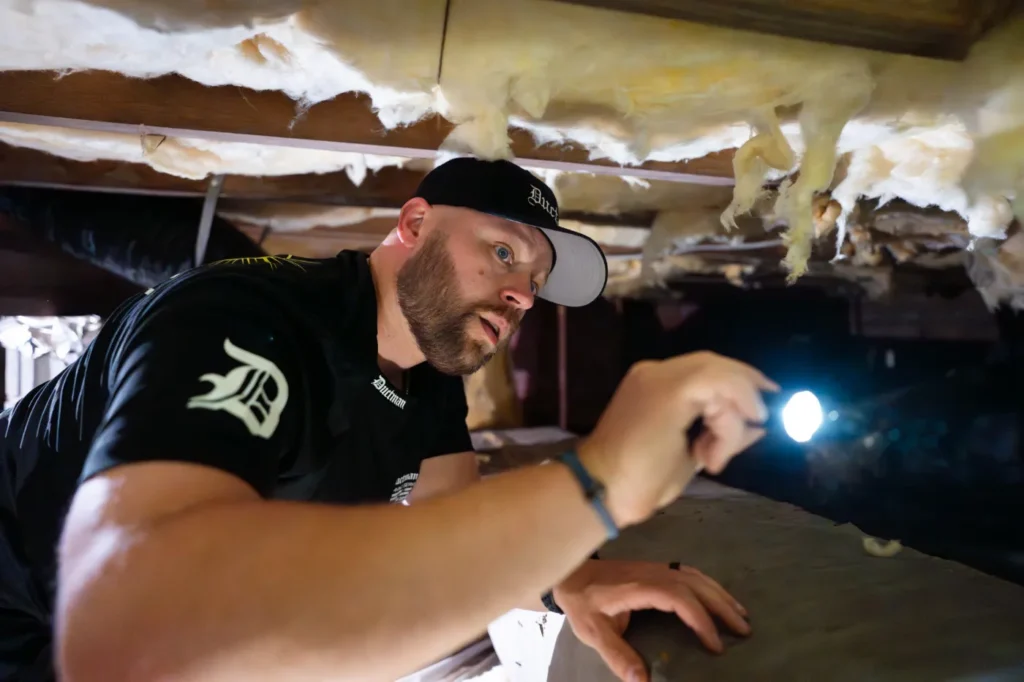
When to repair
Repair is often the better option when your heat pump is relatively new, has been reliable, and the problem can be fixed at a reasonable cost.
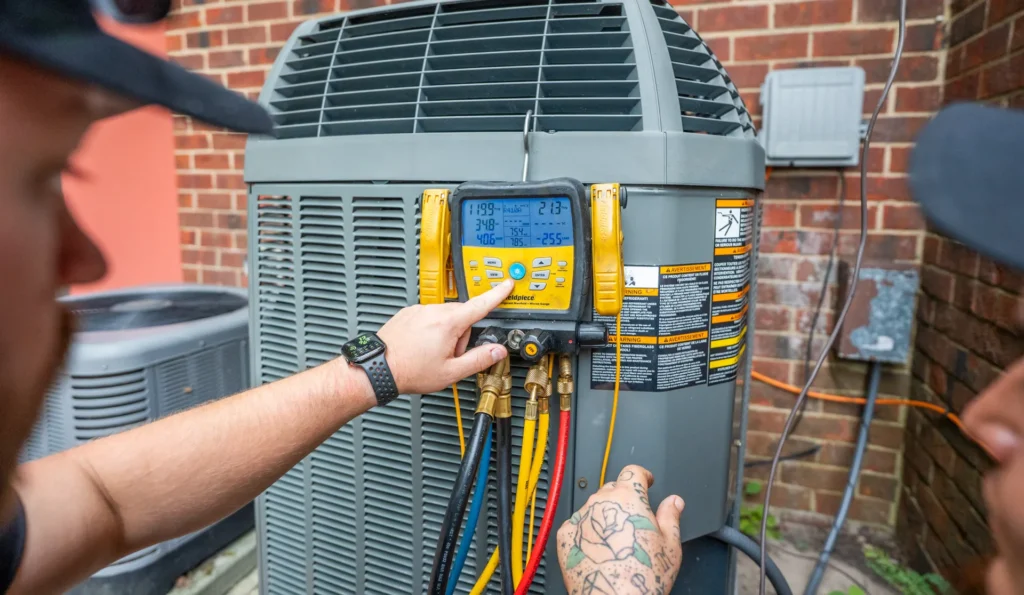
When to replace
Replacement may make more sense if your heat pump is aging, needs frequent repairs, or requires an expensive component replacement. Newer systems may also offer improved efficiency and year-round comfort.
What we repair
We repair every major brand, and we’ve had our hands inside all of them for two decades. Because we’re not a franchise with a replacement quota, the goal on every call is the same: find what failed and fix it properly.
The components that tell the system when to clear ice from the outdoor coil. When they fail, the unit ices over and heating capacity collapses.
The valve that switches the system between heating and cooling. A stuck or leaking valve is one of the most common reasons a heat pump blows cold air in winter.
Located, repaired, and verified before the system is recharged. We don’t top off a leaking system and send you a bill.
The electrical and mechanical parts that wear out fastest in this climate, and stop the system cold when they go.
Backup heat that won’t turn on when you need it, or won’t turn off when you don’t.
Heat pump thermostats control when backup heat engages. Set up wrong, they’ll run expensive resistance heat even when the heat pump could carry the load.
Our Brands

























































How we diagnose
Most companies find the first broken part, replace it, and leave. That works until the part fails again, because whatever killed it is still there. A defrost board that fails twice is often reacting to a bad sensor or a fan motor that isn’t moving enough air across the coil.
We check the whole system before we fix anything, and on a heat pump that means checking it in both modes. Electrical components, refrigerant pressures in heating and cooling, airflow, the defrost cycle, the reversing valve’s changeover, and the thermostat’s backup-heat settings. Then we tell you what failed and why it failed.
And if the real problem is ductwork, we’ll say that too. A heat pump choking on bad ducts will keep breaking no matter how many parts get replaced.
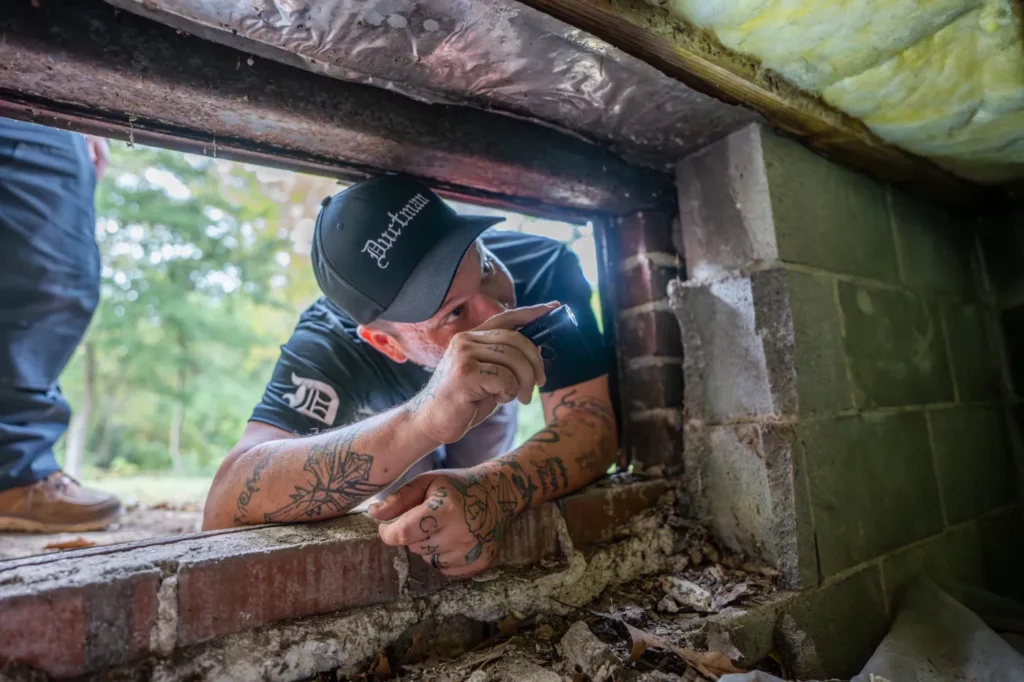
Our Process
No surprise charges, and no work starts until you’ve said yes.
Before we get there
What you’re seeing, hearing, and smelling, and when it started. Whether it’s a heating or cooling failure narrows the list fast.
The system’s age, past repairs, and whether anyone else has already looked at it. If you’ve been quoted a replacement, tell us. We’ll look at it fresh.
The diagnostic visit
A full system check in both heating and cooling, not just the first broken part. Electrical, refrigerant, airflow, defrost, and controls.
What failed, why it failed, what the repair involves, and what it costs. You decide before any work starts.
Before we pull out
Repair made, then the system run and checked in both modes: pressures, temperature split, defrost cycle, and changeover, so you know it’s actually working rather than just running.
If something else is wearing out, you’ll hear about it plainly, with no pressure to fix it today.
Auxiliary Heat, plainly
Many heat pump systems use auxiliary heat to help warm your home when outdoor temperatures drop or when the system needs additional heating capacity.
Auxiliary heat often uses more electricity than the heat pump alone, so frequent use can increase your energy bills. It’s normal for auxiliary heat to run occasionally, especially during colder weather. But if it’s running constantly or during mild temperatures, your system may need attention.
Common causes include thermostat settings, airflow restrictions, defrost system issues, or problems affecting your heat pump’s performance. Our technicians can inspect the system, identify what’s happening, and determine whether a repair or adjustment is needed.
Testimonials
Mike was very professional and thorough throughout the entire process. Haven’t felt with any HVAC service before Ductman and will never choose anything else now. Thank you for a great experience.

 Robert Clark
 Google review
Everyone was respectful, a pleasure to work with, and they got the job done in a timely fashion with a great quality of work. My house heats even better now than before. 10/10 I absolutely recommend them.
 James Maurmeier
Google review
Furnace went out on what seems like the coldest day so far this year. Chris answered our call and promptly sent out a technician to review the issue and provide an estimate. They were able to order and install the part quickly for a reasonable price. I would definitely call them again if we had another HVAC issue.
 Charisse
Google review
Our Work
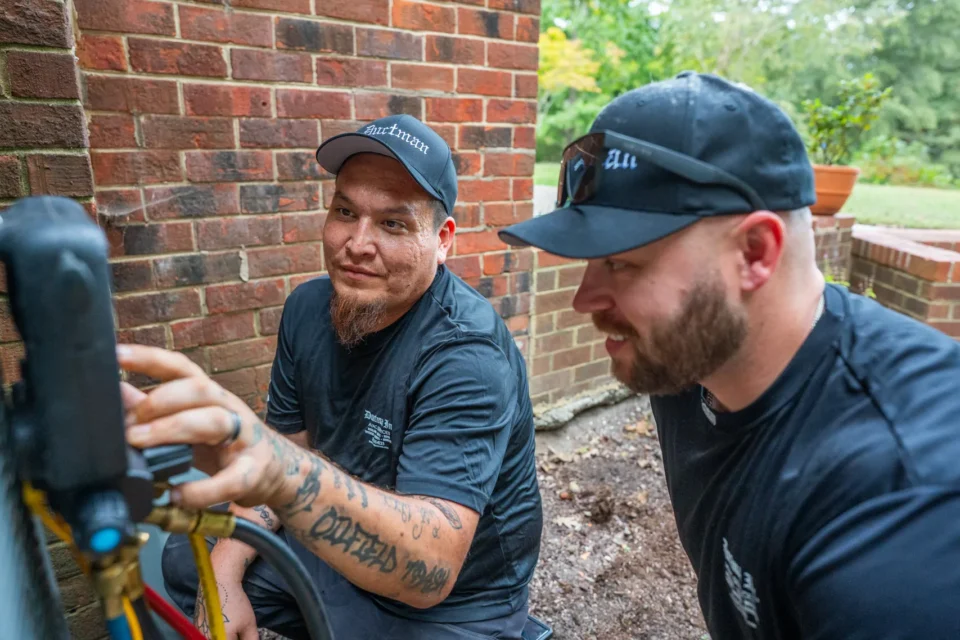
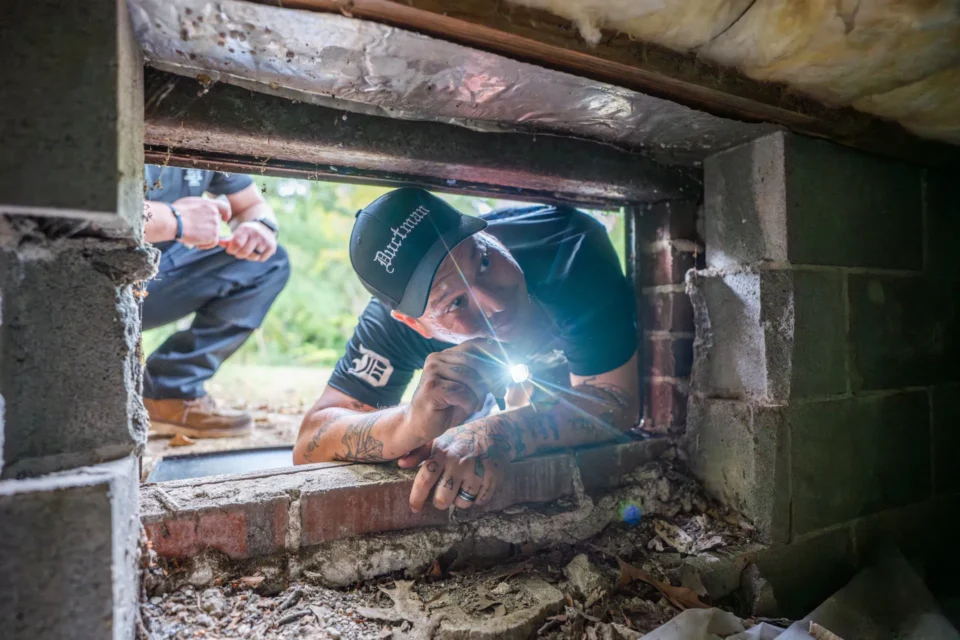
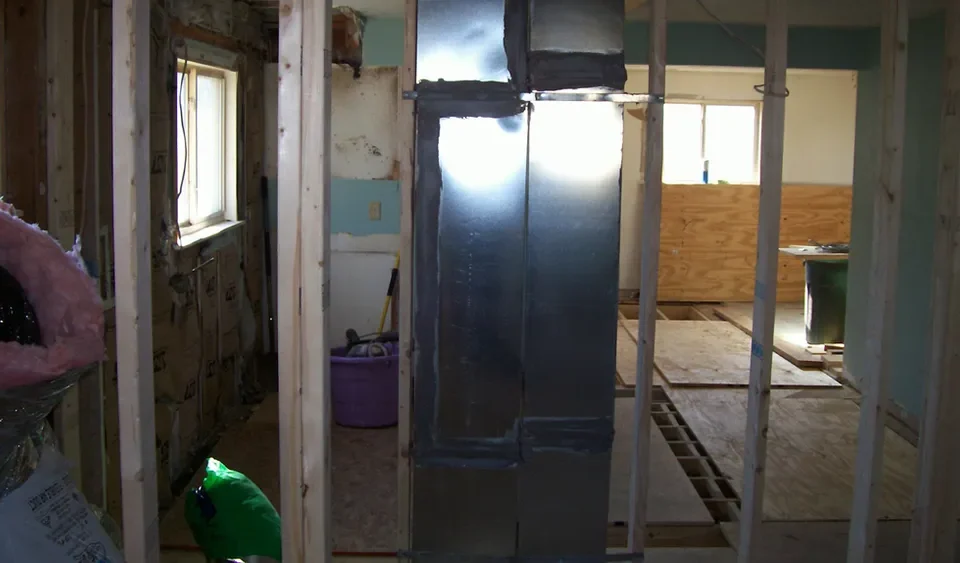
Dirty coils, failing capacitors, and defrost problems usually give warning before they shut a heat pump down. A maintenance visit before each season catches them while they’re small. Financing is also available on larger repairs.
FAQ
It depends entirely on what failed. A capacitor or a sensor is a small repair. A reversing valve or a refrigerant leak depends on access and location. A compressor is the expensive one. We’ll tell you exactly what it costs before any work starts.
Most often a reversing valve stuck in cooling position, low refrigerant from a leak, or a unit that’s mid-defrost. A few minutes of cool air during defrost is normal. Cold air that doesn’t stop isn’t.
In a Hampton Roads winter, a healthy, properly sized heat pump should carry the house on its own most of the time. When auxiliary heat runs constantly, something is wrong: low refrigerant, a failing defrost system, a thermostat staging backup heat too aggressively, airflow problems, or a heat pump that was undersized from the start.
They’re the same electric heat strips inside the air handler. Auxiliary heat kicks in automatically when the heat pump alone can’t keep up. Emergency heat is the same strips switched on manually, meant for when the heat pump has failed entirely, not as a setting to leave on.
Some frost on the coil in winter is normal, and the defrost cycle clears it. A unit encased in ice that won’t clear points to a failed defrost board, a bad sensor, a fan problem, or low refrigerant.
Most heat pumps we’re called out to fix should be fixed. A failed compressor on a fifteen-year-old heat pump, or a major leak on equipment that still runs on R-22, can cost enough that the money is better spent on something new. When that’s the case, we’ll show you both numbers side by side and let you decide.
Yes. We’ll diagnose it independently and tell you what we find. If the other company was right, we’ll say so and explain why. If they weren’t, you just saved the cost of a system you didn’t need.
Yes. We repair every major brand, and we’ve had our hands inside all of them for two decades.
Get Started
Call us or send a request. We’ll find what actually failed, explain your options in plain English, and get your house cool again.