Locking out, or showing a fault light
The system shut itself down to protect the compressor. On geothermal, lockouts most often trace back to the water side: low flow through the loop, a failing pump, or loop temperatures out of range.
Geothermal Repair
Geothermal systems need a technician who understands both the loop and the equipment. We diagnose and repair packaged, split, and water-to-water geothermal systems throughout Hampton Roads, find what failed, and get your system working properly.
Which one do you have?
Geothermal systems go by several names and come in a few configurations. If one of these looks like yours, you’re in the right place, and if you’re not sure, send us a photo and we’ll tell you.
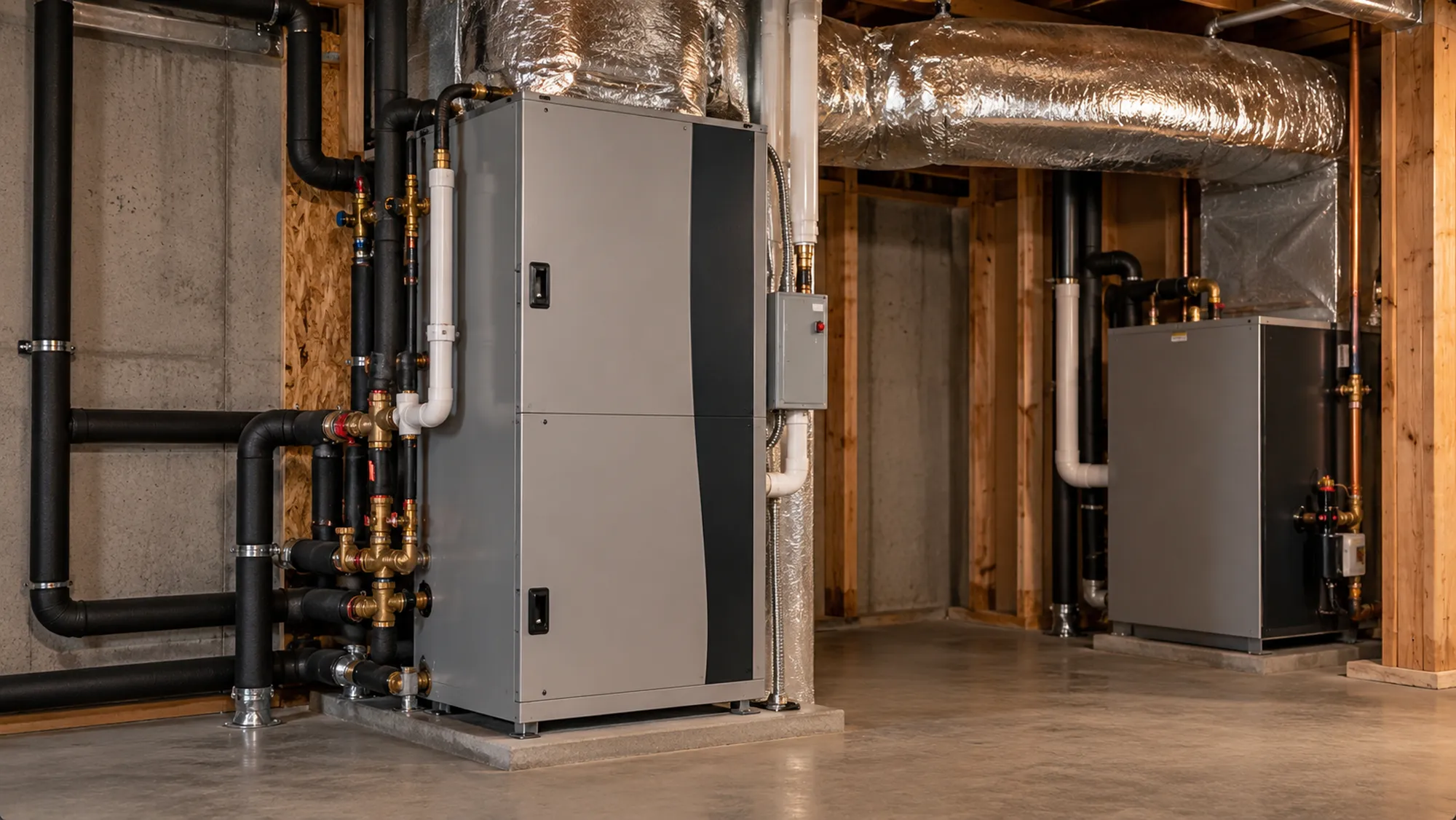
One indoor cabinet that holds the whole heat pump, with insulated water lines running into the side. No outdoor unit anywhere on the property. The most common residential setup.
A geothermal compressor section paired with a separate air handler or furnace. Often installed where a conventional system used to be.
Geothermal that heats water instead of air, feeding radiant floors, baseboard, or a storage tank. Look for hydronic piping and pumps rather than ductwork.

The pump module mounted on the wall or beside the unit, moving fluid through your ground loop. If you have one of these, you have a closed-loop system.
Quoted new geothermal equipment?
A lot of the geothermal calls we get start the same way: the system stopped working, the first company that came out didn’t recognize the equipment, and the owner was told the loop is bad or the whole system needs to come out. Sometimes that’s true. Usually it isn’t. A failed circulating pump, air in the loop, a bad sensor, or a control fault can shut a geothermal system down completely, and none of them require new equipment or touching the loop.
We’ll diagnose it independently and tell you what we find. If the other company was right, we’ll say so and explain why. If they weren’t, you just saved the cost of a system you didn’t need.
Here are some common problems, what might be causing them, and when it’s time for a repair.
The system shut itself down to protect the compressor. On geothermal, lockouts most often trace back to the water side: low flow through the loop, a failing pump, or loop temperatures out of range.
Running, but the house isn’t comfortable. Can be refrigerant, airflow, reduced loop flow, or a heat pump that’s struggling with a problem it’s been compensating for.
Geothermal should be the cheapest system you can own to operate. When the bills start looking like a conventional system’s, something has degraded, and auxiliary heat may be covering for it.
Gurgling usually means air in the loop. Grinding or humming from the flow center points to a circulating pump on its way out.
Leaking fittings, a failed pump seal, or a condensate problem. Worth addressing early, because losing loop fluid leads directly to lockouts.
Repair Path
Most geothermal problems don’t require a new system. Pumps, sensors, controls, and flow issues can usually be repaired, and the underground loop field rarely needs any work at all.
For older units, a failed compressor or equipment the manufacturer no longer supports can make replacement the better long-term investment. In most cases, new equipment connects to your existing loops. We’ll explain your options and help you make an informed decision.
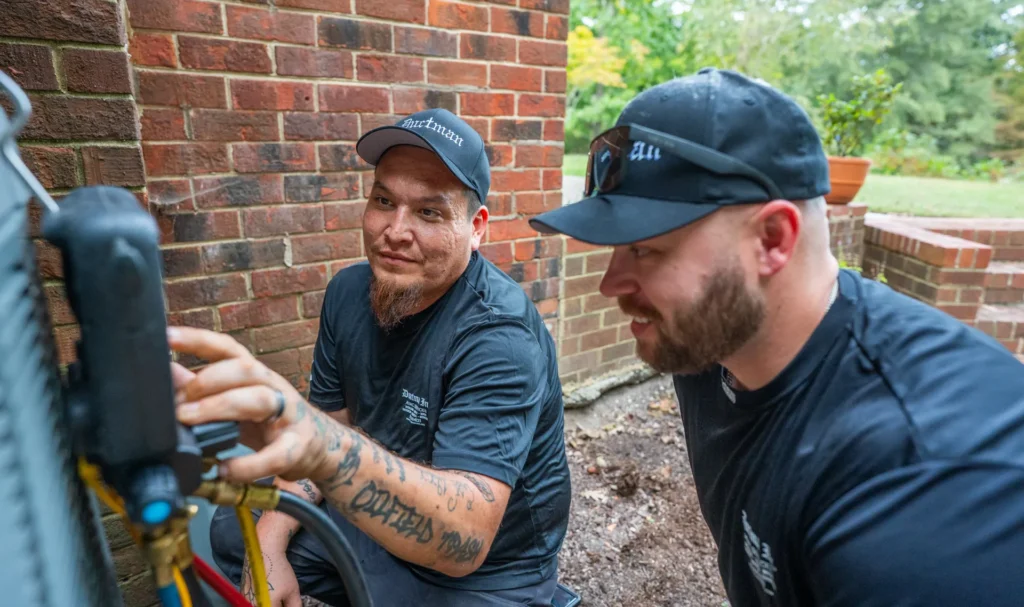
When to repair
Repair is often the better option when your unit is relatively new, has been reliable, and the problem can be fixed at a reasonable cost.
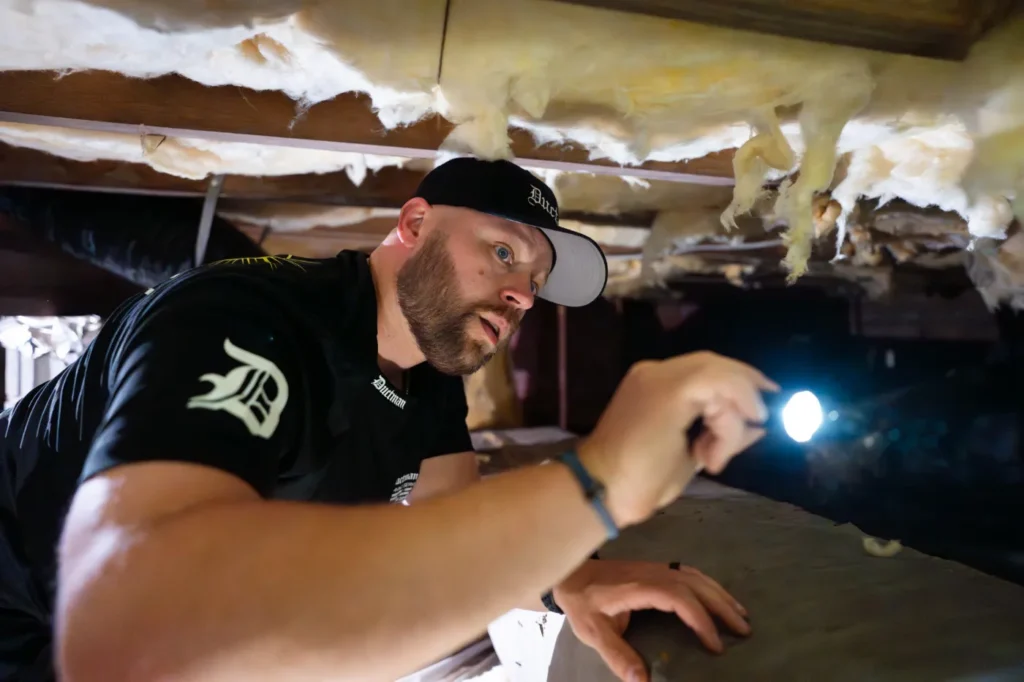
When to replace
Replacement may make more sense if your unit is aging, needs frequent repairs, or has a major component failure. New equipment can usually connect to your existing loop field.
What we repair
Geothermal is a small enough category that most companies never build the experience to service it. We’ve been working on these systems for two decades, on both the water side and the refrigerant side.
The pumps that move fluid through the loop. The most common geothermal failure, and the most commonly misdiagnosed.
Purging trapped air, restoring pressure, and checking the loop fluid so the system has the flow it needs.
Diagnosed and repaired with the same care as any heat pump, including leak repair and charge verification.
Geothermal controls differ from conventional HVAC. Fault codes and lockouts traced to their actual cause.
Blower motors, filters, coils, and the airflow the system depends on to move heat into the house.
The component that preheats your domestic hot water from the system’s waste heat. Often the first thing to quietly stop working.
Our Brands

























































How we diagnose
Most companies that do take a geothermal call treat it like an air-source heat pump: they check the refrigerant, find nothing obvious, and decide the equipment is failing. But a geothermal heat pump depends on the water moving through the loop, and a flow problem looks exactly like an equipment problem from the refrigerant side.
We check the whole system before we fix anything: loop flow rate, entering and leaving water temperatures, loop pressure, the pumps, refrigerant pressures, airflow, and the controls. Then we tell you what failed and why it failed.
And if the real problem is ductwork, we’ll say that too. A geothermal system choking on bad ducts will keep struggling no matter how healthy the loop is.
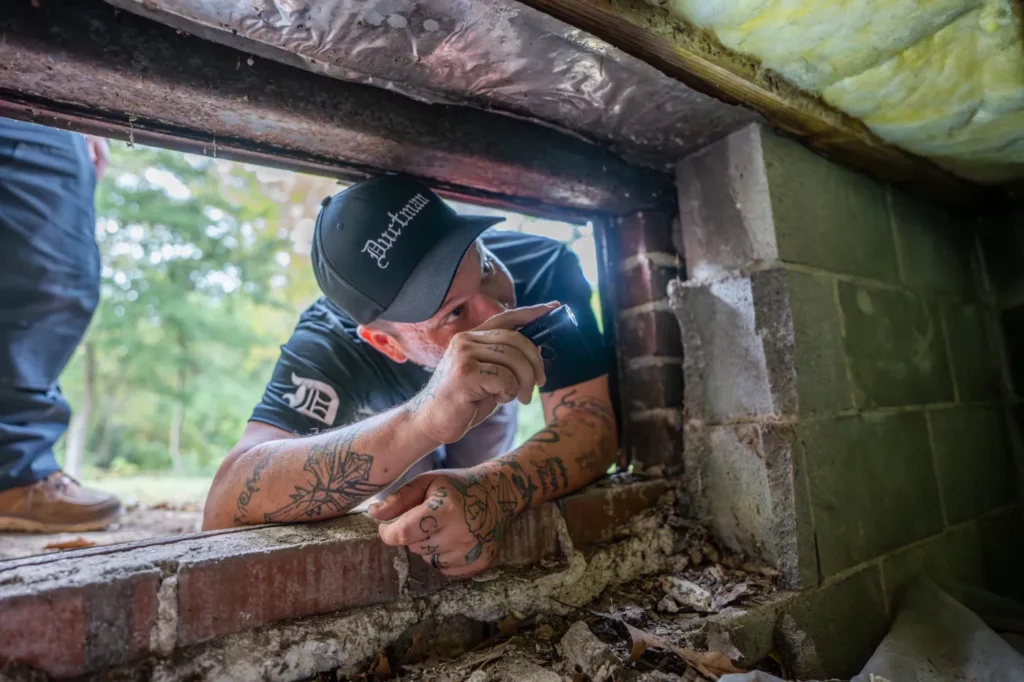
Our Process
No surprise charges, and no work starts until you’ve said yes.
Before we get there
What you’re seeing and hearing, any fault lights or lockout codes, and whether it’s a heating or cooling problem.
The system’s age, manufacturer, past repairs, and whether anyone else has already looked at it. If you’ve been told the loop is bad, tell us.
The diagnostic visit
A full system check on both sides: loop flow, water temperatures, pressure, pumps, refrigerant, airflow, and controls.
What failed, why it failed, what the repair involves, and what it costs. You decide before any work starts.
Before we pull out
Repair made, then the system run and checked in both modes with loop flow and temperatures confirmed, so you know it’s actually working rather than just running.
If a pump or another component is wearing out, you’ll hear about it plainly, with no pressure to fix it today.
Geothermal Lockouts, plainly
A geothermal heat pump pulls heat from the water in your loop in winter and dumps heat into it in summer. To do that safely, the water has to be moving at the right rate and sitting in the right temperature range. When it isn’t, the refrigerant pressures inside the unit go out of bounds, and the system locks itself out to protect the compressor.
That’s why a lockout usually points away from the expensive parts. A circulating pump that’s slowing down, air trapped in the loop, a drop in loop pressure, or a clogged strainer will all cause the same fault as a failing compressor, and they’re all far cheaper to fix.
Resetting a lockout and walking away doesn’t solve anything. If it keeps happening, something on the water side is telling you it needs attention.
Testimonials
Mike was very professional and thorough throughout the entire process. Haven’t felt with any HVAC service before Ductman and will never choose anything else now. Thank you for a great experience.

 Robert Clark
 Google review
Everyone was respectful, a pleasure to work with, and they got the job done in a timely fashion with a great quality of work. My house heats even better now than before. 10/10 I absolutely recommend them.
 James Maurmeier
Google review
Furnace went out on what seems like the coldest day so far this year. Chris answered our call and promptly sent out a technician to review the issue and provide an estimate. They were able to order and install the part quickly for a reasonable price. I would definitely call them again if we had another HVAC issue.
 Charisse
Google review
Our Work
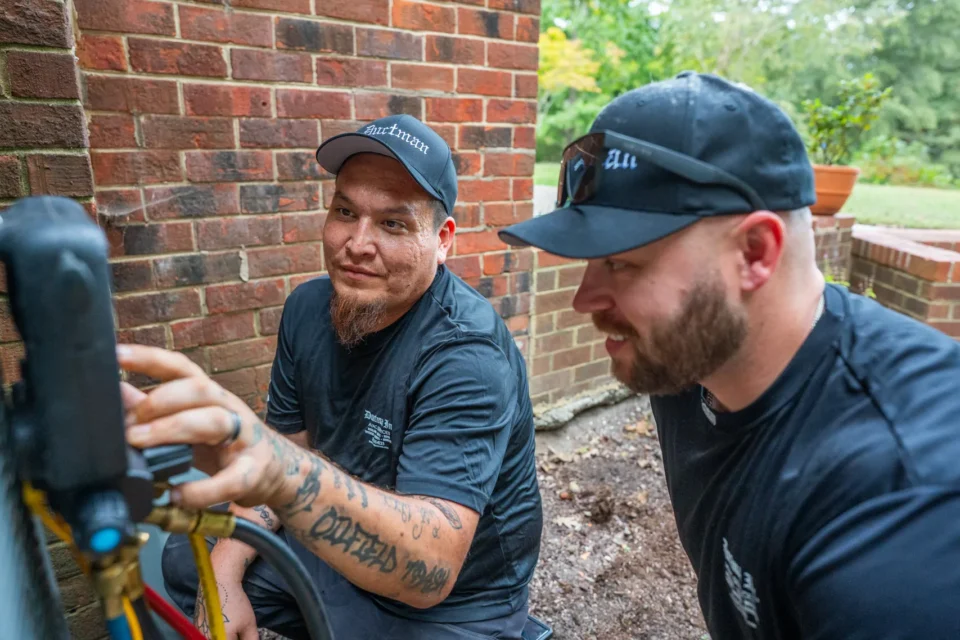
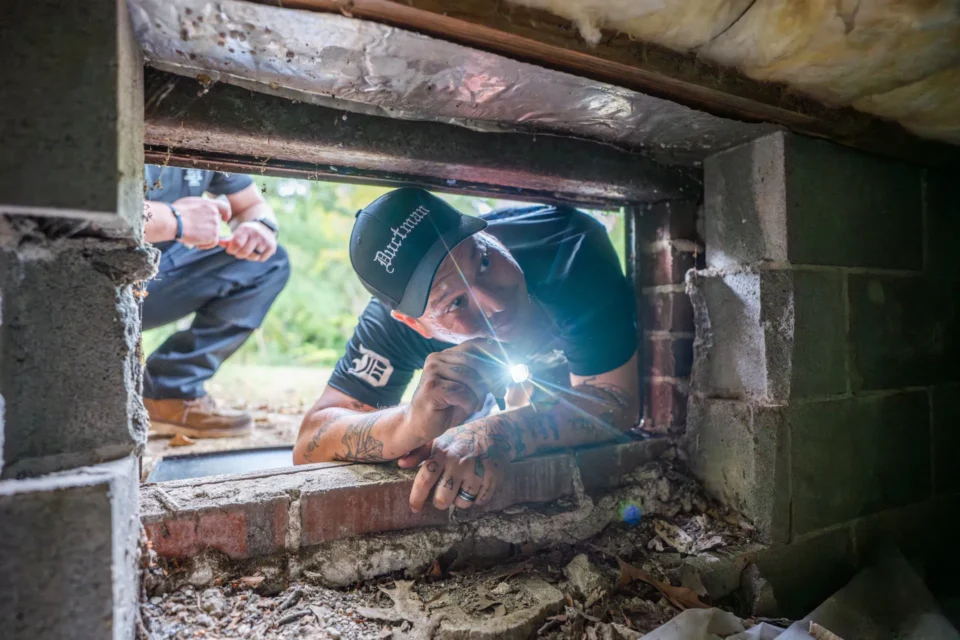
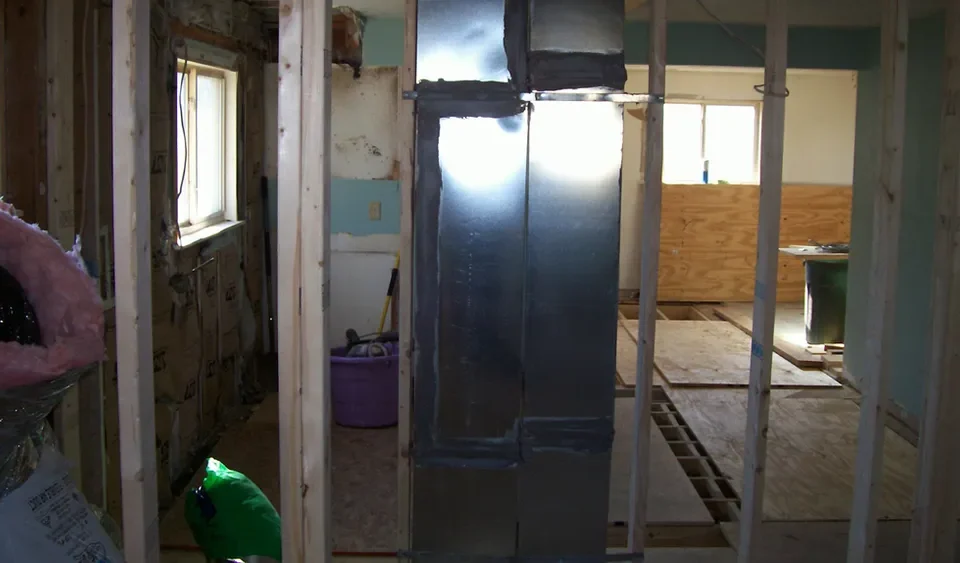
Regular maintenance checks the loop, the pumps, and the equipment, so worn components and flow problems get caught early. Schedule a maintenance visit to keep your geothermal system running efficiently year-round.
FAQ
We do. It’s a small enough category that most companies never build the experience, which is why owners often have trouble finding service.
Most lockouts are water problems. When loop flow or temperature is out of range, the refrigerant pressures go out of bounds and the system locks itself out to protect the compressor. A slowing circulating pump, air in the loop, a drop in loop pressure, or a clogged strainer all cause the same fault as a failing compressor, and they’re all far cheaper to fix.
It depends on what failed. Pumps, loop air and pressure problems, sensors, and controls cost far less than a compressor, and the loop field almost never needs anything at all. We’ll tell you what failed, what the repair involves, and what it costs before any work starts.
Probably not: the loop field almost never needs anything at all. A failed circulating pump, air in the loop, a bad sensor, or a control fault can shut a geothermal system down completely without touching the loop. We test loop flow, water temperatures, and pressure before anyone talks about the loop.
Gurgling usually means air in the loop. Grinding or humming from the flow center points to a circulating pump on its way out.
That’s the desuperheater: the component that preheats your domestic hot water from the system’s waste heat. It’s often the first thing to quietly stop working, and it’s one of the repairs we make.
Usually. Pumps, sensors, controls, flow problems, and many refrigerant-side failures are repairable. A failed compressor on a twenty-year-old unit, or equipment from a manufacturer that no longer supports it, can make new equipment on your existing loops the better use of the money. We’ll show you both numbers side by side.
Yes. We’ll diagnose it independently and tell you what we find. If the other company was right, we’ll say so and explain why. If they weren’t, you just saved the cost of a system you didn’t need.
Get Started
Call us or send a request. We’ll test the loop and the equipment, explain your options in plain English, and get your system running again.