Some radiators are cold
Usually air trapped in the system, a stuck zone valve, or a balancing problem. Cold at the top and warm at the bottom is the classic sign of air that needs bleeding.
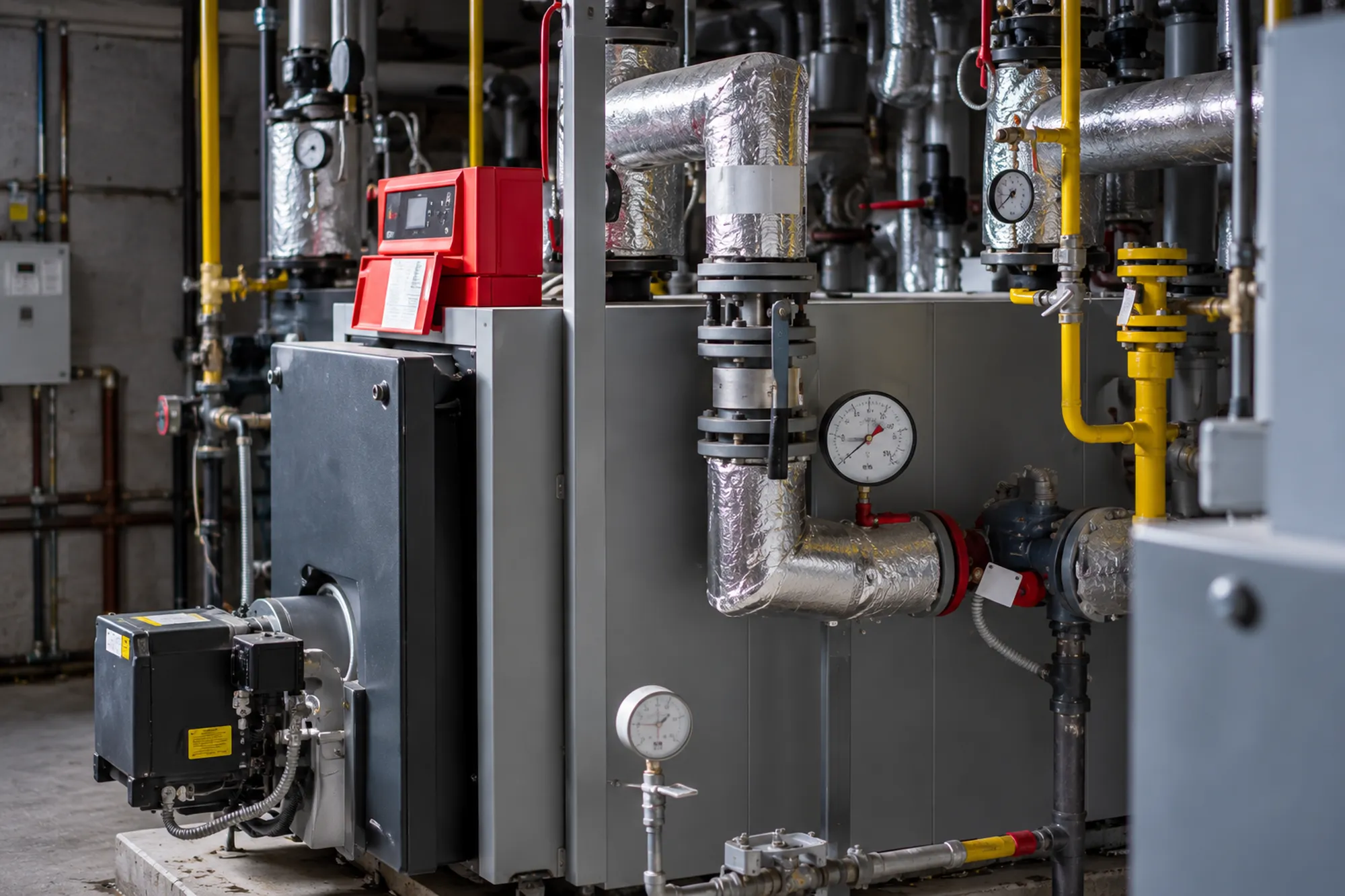
Boilers, Radiators, and Apollo Systems
We repair boilers, cast-iron radiators, baseboard heat, and Apollo systems throughout Hampton Roads, on both gas and oil. We check the whole system, find what failed, and explain your options before any work starts.
Which system do you have?
Hot-water heating comes in a few forms, and they’re easy to confuse. If one of these looks familiar, you’re in the right place, and if you’re not sure, send us a photo and we’ll tell you.
Heats water and pumps it through the house. Usually in a basement or utility room, with piping, pumps, and a small tank attached. Gas or oil.
Heavy upright radiators under windows or along walls, common in historic homes. Hot water from the boiler runs through them.
Low metal covers running along the bottom of exterior walls, with finned pipe inside. Same boiler, different way of delivering the heat.
A water heater that also heats the house, pumping hot water through a coil in an air handler. Looks like forced air from inside the rooms; the giveaway is in the utility closet.
Told to rip out your radiators?
Many of these calls start the same way: the owner couldn’t find anyone willing to work on the system, and the one company that came out recommended ripping it out for a heat pump or forced air. Sometimes that’s a reasonable conversation. Often it isn’t. A failed circulator pump, air trapped in the radiators, a stuck zone valve, or a waterlogged expansion tank can leave a house cold, and none of them require new equipment.
We’ll diagnose it independently and tell you what we find. If converting makes sense for your house, we’ll show you why. If it doesn’t, you keep a heating system that, properly maintained, can outlast almost anything you’d replace it with.
Here are some common problems, what might be causing them, and when it’s time for a repair.
Usually air trapped in the system, a stuck zone valve, or a balancing problem. Cold at the top and warm at the bottom is the classic sign of air that needs bleeding.
The boiler isn’t firing or the water isn’t moving. Ignition or fuel problems, a failed circulator pump, a tripped control, or low system pressure.
Gurgling is air. Banging and knocking can be water hammer, expanding pipe, or a boiler that’s overheating from scale buildup. Worth a look before it gets louder.
Pressure problems, often a failed expansion tank or fill valve, push the relief valve open. Leaking fittings and radiator valves also show up here.
The water heater is doing its job, but the air handler is blowing cool air. Usually the circulating pump, a control, or the coil in the air handler.
If you smell gas or your carbon monoxide detector goes off, leave the house first. Call the gas company or 911 from outside, then call us.
Repair Path
Most boiler and radiator problems don’t require a new system. Circulator pumps, zone valves, expansion tanks, controls, and radiator valves can usually be repaired, and cast-iron radiators can last the life of the house.
For older systems, a cracked heat exchanger, a failing oil tank, or an Apollo system with several components near the end can make replacement worth considering. We’ll explain your options, compare costs, and help you make an informed decision.
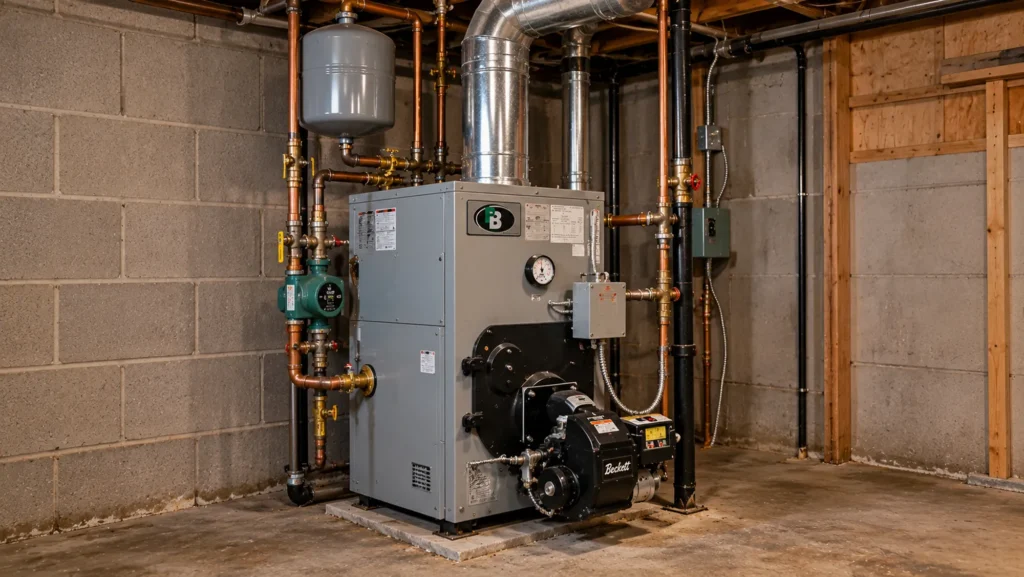
When to repair
Repair is often the better option when your boiler is in good condition, has been reliable, and the problem can be fixed at a reasonable cost.
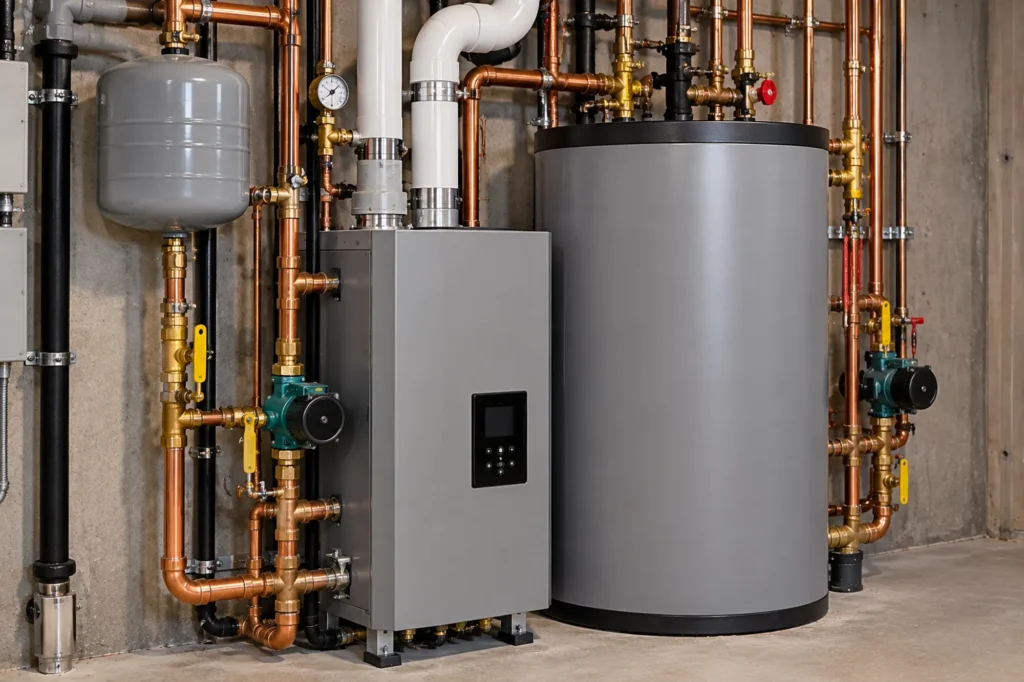
When to replace
Replacement may make more sense if your boiler or water heater is aging, needs frequent repairs, or has a major failure. Depending on your home, a new boiler or a heat pump may be the better fit.
What we repair
Hydronic heating has become a specialty by attrition. Most HVAC companies stopped training on it and stopped taking the calls. We didn’t, and we hold the Master Gas Fitter license, so gas boilers are fully our work.
Ignition, burners, controls, and combustion, diagnosed and repaired on both fuels.
Oil Furnace Repair & ConversionThe pumps that move hot water through the house. When one fails, the boiler runs and the house stays cold.
The valves and thermostats that send heat where it’s called for. A stuck zone valve is the most common reason one part of the house goes cold.
Keeping system pressure where it belongs so relief valves stay closed and air stays out.
Bleeding, balancing, valve repair, and leak repair on cast-iron radiators and baseboard loops.
The pump, coil, and controls that turn a water heater into a heating system, plus the airflow and ductwork around them.
Our Brands























































How we diagnose
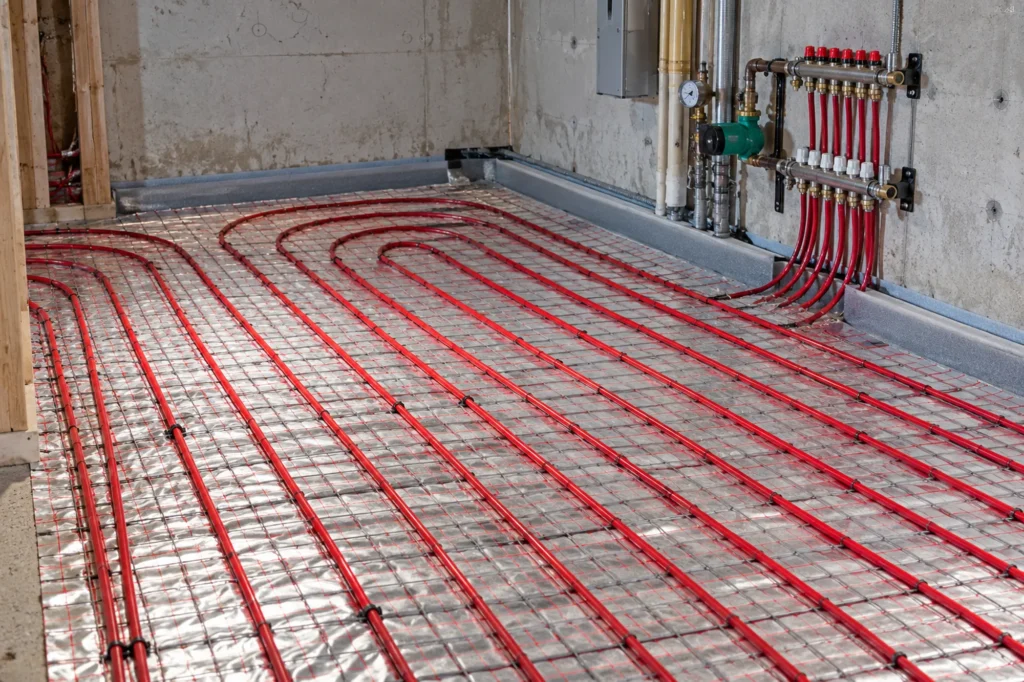
Most companies that do take a boiler call look at the boiler and nothing else. But a hydronic system is a loop (boiler, pumps, valves, tanks, piping, and every radiator or coil in the house) and a cold room usually has nothing to do with the boiler at all.
We check the whole system before we fix anything: firing and combustion, system pressure, the expansion tank, circulators, zone valves, air in the lines, and the temperature of the water going out and coming back. On an Apollo system, we check the water heater, the pump, the coil, and the air handler as one system. Then we tell you what failed and why it failed.
And on an Apollo or any system that moves heat through ducts, if the ductwork is the problem, we’ll say that too.
Our Process
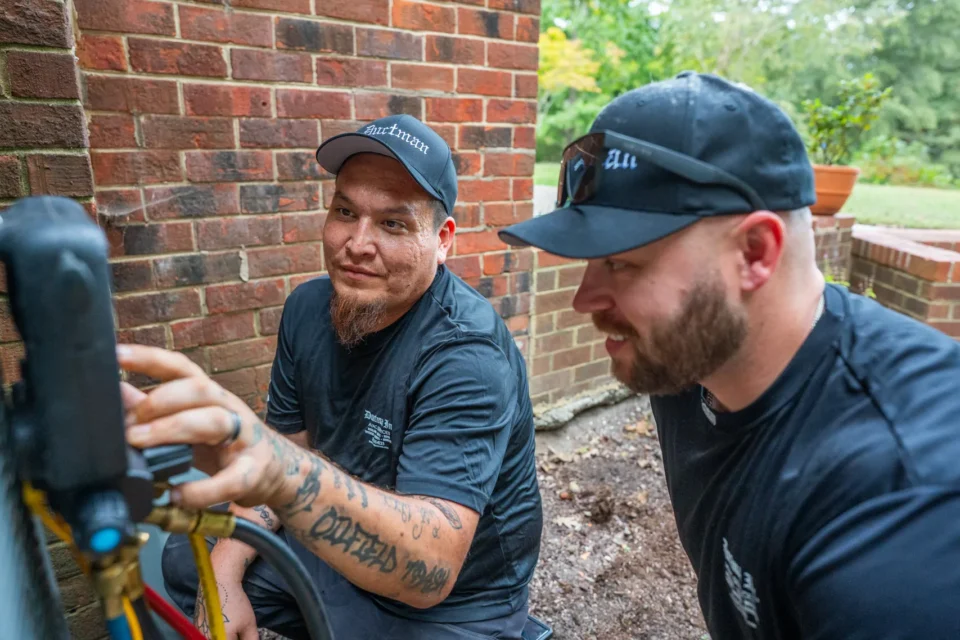
No surprise charges, and no work starts until you’ve said yes.
Before we get there
Which rooms are cold, what you’re hearing, whether there’s water anywhere, and whether it’s gas or oil. If you smell gas, we’ll tell you what to do before we hang up.
The system’s age, type, past repairs, and whether anyone else has already looked at it. If you’ve been told to tear it out, tell us.
The diagnostic visit
A full system check: firing, pressure, pumps, zone valves, air, and water temperatures across the loop.
What failed, why it failed, what the repair involves, and what it costs. You decide before any work starts.
Before we pull out
Repair made, system bled and pressure set, then run until every zone is heating, so you know the whole house is warm rather than just the boiler.
If something else is wearing out, you’ll hear about it plainly, with no pressure to fix it today.
Apollo Systems, plainly
An Apollo system uses one appliance to do two jobs. A gas water heater supplies your hot water the usual way, and when the thermostat calls for heat, a pump sends that same hot water through a coil inside an air handler. A blower pushes air across the coil and through the ducts. From inside the house, it feels like ordinary forced air. In the utility closet, it’s a water heater doing double duty.
“Apollo” is a brand name that stuck, the way people say Kleenex. Plenty of these systems carry other names, and plenty of homeowners don’t know they have one until something breaks and the first company they call doesn’t recognize it.
That’s the usual trouble. A tech who doesn’t know the setup sees a healthy water heater and an air handler blowing cool air, and goes looking in the wrong place. Most of the time, the problem is the circulating pump, a control, or a coil that’s clogged or airbound. All of those are repairable, and none of them require a new system.
Testimonials
Mike was very professional and thorough throughout the entire process. Haven’t felt with any HVAC service before Ductman and will never choose anything else now. Thank you for a great experience.

 Robert Clark
 Google review
Everyone was respectful, a pleasure to work with, and they got the job done in a timely fashion with a great quality of work. My house heats even better now than before. 10/10 I absolutely recommend them.
 James Maurmeier
Google review
Furnace went out on what seems like the coldest day so far this year. Chris answered our call and promptly sent out a technician to review the issue and provide an estimate. They were able to order and install the part quickly for a reasonable price. I would definitely call them again if we had another HVAC issue.
 Charisse
Google review
Our Work
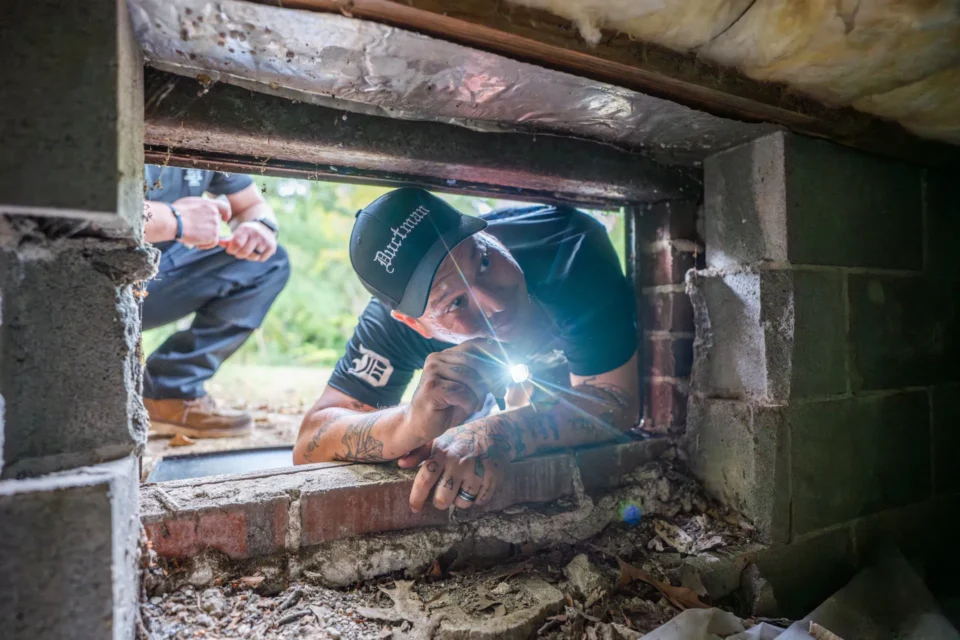
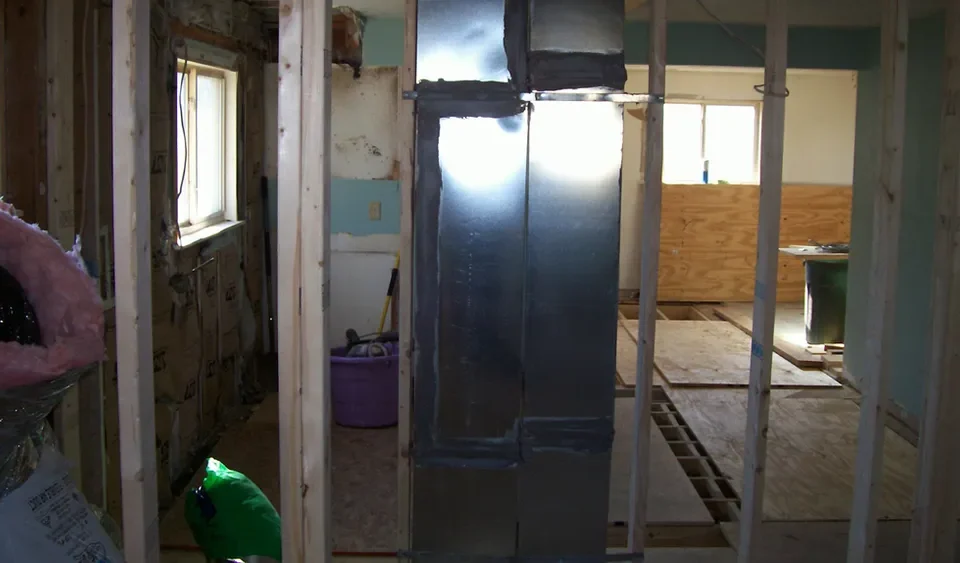
Air in the lines, failing circulators, and waterlogged expansion tanks usually give warning before they leave a house cold. A maintenance visit before winter catches them early and keeps your system running safely and reliably.
FAQ
We do. Most HVAC companies stopped servicing hydronic systems, which is why owners often have trouble finding someone.
One appliance doing two jobs: a gas water heater supplies your hot water, and when the thermostat calls for heat, a pump sends that same hot water through a coil inside an air handler. From inside the house it feels like ordinary forced air. “Apollo” is a brand name that stuck. Plenty of these systems carry other names.
Usually air trapped in the system, a stuck zone valve, or a balancing problem. Cold at the top and warm at the bottom is the classic sign of air that needs bleeding.
Pressure problems, often a failed expansion tank or fill valve, push the relief valve open.
Banging and knocking can be water hammer, expanding pipe, or a boiler that’s overheating from scale buildup. Gurgling is air. Worth a look before it gets louder.
Sometimes, but often not. If converting makes sense for your house, we’ll show you why. If it doesn’t, you keep a heating system that, properly maintained, can outlast almost anything you’d replace it with. Cast-iron radiators can last the life of the house.
Yes. We diagnose and repair gas and oil boilers, including ignition, burners, controls, and combustion.
It depends on what failed. Circulators, zone valves, expansion tanks, controls, and radiator valves are routine repairs. We’ll tell you what failed, what the repair involves, and what it costs before any work starts.
Get Started
Call us or send a request. We’ll check the boiler and the whole system, explain your options in plain English, and get your system running again.